If we’ve been friends for any length of time, you likely know that I LOVE smoothies. In fact, I have one every. single. morning. It’s the perfect way to apply my add before you subtractapproach to nutrition by helping you get more bright, beautiful fruits and veggies into your day. Plants are the medicine, after all. They’re packed with vitamins, minerals, enzymes, and antioxidants that neutralize free radicals (Source), as well as phytochemicals (the cancer fighters!) (Source). Flooding your body with all that goodness first thing in the morning is bound to put a little extra pep in your step. Plus, they come together in a few minutes flat, making them perfect for a quick healthy breakfast.
With a smoothie fetish that runs so deep, you can imagine how tough it is to find a fav. My Peachy Green Smoothie is at the top of my list each summer, but I’ve gotta say it changes daily. Today’s little beauty is ALWAYS in the running, though. It’s a dreamy Chocolate Avocado Smoothie that’s as nutrient dense as it is delicious!
I promise it doesn’t taste like guac, gorgeous. The avocado adds more texture than flavor, making this glass of goodness velvety smooth (plus rich in healthy fats, potassium and fiber to keep you full!). What you’ll really taste is the CHOCOLATE. The cacao in this cutie is sure to make your heart happy (that’s true literally, too, since cacao is full of flavonoids that promote healthy blood pressure and circulation).
So if you’re ready for a healthy breakfast recipe you can make in minutes that will also satisfy your sweet tooth, look no further! Just grab your blender and get ready to be delighted.
Chocolate Avocado Smoothie
Serves 1 | Prep Time: 5 min
Ingredients
2 small bananas, frozen
1 to 2 pitted Medjool dates
1 1/2 tablespoons cacao powder
1/4 Hass avocado
1 3/4 cup almond milk or nondairy milk of choice
1/2 teaspoon vanilla extract
1 cup baby spinach, tightly packed
Directions
Wash and prep all ingredients.
Blend till smooth and serve.
Want more delicious smoothies? Check out these fan favorite recipes:
I love summer. Bare feet. Swimming holes. Veggie gardening. And the soul-warming sun.
In my earlier days, I had a dangerous love affair with those radiant rays. Sunscreen? Yeah, right. Nothing was going to stand between me, my baby oil, a Body Glove surfer bikini and a golden tan (or rather, a lobster-red sunburn!).
Today, I’m much wiser, but not just about the importance of wearing sunscreen. I’m also aware that we all need to be savvy consumers when choosing a safe, natural sunscreen.
When it comes to sun exposure and protection, there are a lot of questions to answer. How much basking in the sun is too much? Are there benefits to not wearing sunscreen sometimes? What kind of protection does sunscreen provide? Which ingredients should I avoid?
It can be downright mind-boggling to choose a safe, natural Sunscreen that feels good AND gets the job done.
That’s why I rely on the Environmental Working Group (EWG). Every year they do the hard work of analyzing hundreds of sunscreens to uncover health and environmental concerns—and help you choose the best sunscreen for you.
Today, I’m digging into EWG’s recommendations and giving you my five essential tips for having a safe relationship with the sun. Hold onto your sun hats, folks, let’s dive in!
What is Natural Sunscreen?
Ever wondered what makes natural sunscreen, well, natural? These products, often called mineral sunscreens, pack a punch with zinc oxide and titanium dioxide—minerals straight from the earth that act as tiny warriors, bouncing the sun’s harmful rays right off your skin.
Unlike chemical sunscreens, which absorb UV rays to shield your skin, natural sunscreens are like a protective layer sitting on top of your skin. They reflect the sun’s rays away, ensuring they don’t penetrate your skin at all. It’s like having a little mirror on your skin.
For those of us with sensitive skin, natural sunscreens can be a game changer. They’re gentle and sit on the surface, which means they’re less likely to cause irritation.
Vitamin D is an essential hormone for healthy bones, immune function and blood cell formation. Luckily, your body produces vitamin D every time you step into the sunlight. Easy, right?
Just keep in mind that you don’t need much unprotected sun exposure to meet your needs.
According to the World Health Organization (WHO), 5–15 minutes a few times a week is sufficient to maintain healthy vitamin D levels.
Getting some sunshine and fresh air is also great for your mood. There’s nothing quite like soaking up some good old-fashioned rays to turn that frown upside down. But that doesn’t mean it’s safe to sit out and bake sans sunscreen for hours on end. That’s where a great natural sunscreen comes in (I share my recommendation below).
Damaging effects of the sun
The sun can have some serious damaging effects (no matter how beautiful it is!). Ultraviolet A (UVA) and Ultraviolet B (UVB) are the two types of sun rays that travel through the earth’s atmosphere and shine down on your glorious skin. They’re responsible for the golden tan so many of us try to attain each year. But if you think that this sun-kissed tone is healthy, think again. When your skin darkens, it’s actually a warning sign that your body is trying to prevent further DNA damage. (Psst… Don’t worry if you can’t bear to ditch that glow—check out my guide to safe self-tanner here.)
This is just one example of the ways UVA and UVB impact your health. Now let’s explore the difference between the two so that we know why it’s important to protect our skin from both.
UVA rays penetrate the top layer of your skin. They’re often to blame for wrinkles, leathery skin, sagging and sun spots. They can bust through clouds on a gloomy day, seep through your car windows and even sneak through some clothing. Although UVA rays are less likely to give you a sunburn, they’re still linked to increasing your risk of skin cancer because they can damage your basal and squamous skin cells.
UVB rays impact the top layer of your skin. They’re one of the major causes of skin cancer and your worst enemy when it comes to sunburns. UVB rays are strongest between 10 a.m. and 4 p.m., especially during the summer months.
Now that we’ve learned about UVA and UVB rays, let’s chat about how to find the perfect natural sunscreen for you!
How to Choose the Best Natural Sunscreen
Understanding sunscreen labels
What do all of those letters and numbers mean, anyway? First things first: Let’s get to the bottom of those often confusing sunscreen labels.
Sun Protection Factor (SPF)
SPF (short for “sun protection factor”) measures how long the sunscreen protects your skin from sunburn caused by UVB rays. So, for example, if your skin would typically burn after 10 minutes in the sun, a sunscreen with SPF 15 should allow you to stay in the sun 15 times longer (150 minutes) before your skin would start to burn.
Keep in mind that SPF doesn’t tell the whole story when it comes to the effectiveness of your sunscreen. Higher SPF is not always better—in fact, it can be misleading (source). Also, sweating, swimming and other physical activities can reduce the potency of the SPF, which means you may need to apply it more often. This resource from the Cleveland Clinic has some great application tips to help you get maximum protection!
UVA and UVB Protection
Your sunscreen may be protecting you from sunburn by blocking UVB rays (if you’re re-applying it often enough and using a sufficient amount), but you’re still vulnerable to skin damage if you’re not protected from UVA rays as well. I suggest looking for a sunscreen that has protection from both so you’re totally covered!
Mineral vs. Synthetic
EWG also notes the rise of mineral-only sunscreens in this year’s Sunscreen Guide. They rate these products more favorably than their non-mineral alternatives because they’re less likely to contain oxybenzone (a harmful chemical we’ll chat more about later). They’re also stable in sunlight and have a good balance of UVA and UVB protection.
Mineral sunscreens aren’t always free and clear, though—we still have to be aware of the potential challenges they present. So, let’s chat about how to choose a natural sunscreen that feels great and keeps your incredible epidermis out of harm’s way!
Red flags to avoid so you can pick the best sunscreen
When it comes to choosing any personal care product, it’s important to be your own health advocate. Knowledge is power, so you’ve taken a great first step just by reading this post (don’t forget to bookmark it so you can refer back later!).
Here’s what you’ve gotta keep in mind: There are chemicals in many personal care products, sunscreen included, that have been linked with cancer, birth defects and a variety of other health issues. And it doesn’t stop there—some of the ingredients are harmful not only to us, but to the environment, too.
I know you want to protect yourself, your family and the environment. So, here are a few red flags to look out for:
Vitamin A (retinyl palmitate or “retinol”)
This ingredient has been linked to the faster growth of skin tumors when applied and exposed to sunlight. And guess where it’s found? That’s right, in sunscreen! It may also lead to vitamin A toxicity. Yes, even though it’s good for you, there’s still such a thing as too much. Luckily, EWG does report that the number of sunscreens containing this problematic ingredient has dropped by more than half since 2010. That said, I still suggest keeping an eye out for it until companies stop using it or can prove it’s safe. You can read more about Vitamin A in sunscreen here.
Oxybenzone
This toxic chemical, which EWG found in almost 65 percent of non-mineral products it evaluated this year, is perhaps the most troubling sunscreen ingredient. It comes with a whole host of environmental and health concerns, including hormone disruption (source) and coral reef damage. The good news is, there are plenty of companies that don’t use oxybenzone!
Powder or Spray Sunscreens
As convenient as these products are, they pose a couple of challenges. First, the coverage you get is not always as consistent—it’s much easier to miss a spot. Second, you’re more likely to inhale them than you are a lotion. Needless to say, the chemicals we’ve been chatting about are not edible. Until companies can do more to assure us that sprays and powders are safe, keep this information in mind when you’re buying and applying.
Nanoparticles
Remember what I said before about mineral sunscreens? They’re a great choice, but they’re not perfect. Here’s the deal: Old-school mineral sunscreens were often known for their white, chalky look (SO not cute!). To remedy this, many brands have started using nanoparticles. The problem is, these babies are not well-regulated and vary greatly in their size, shape and so on—all factors that may impact the protection power of the sunscreen. Their effect on the environment is also not well understood. EWG goes into more detail about nanoparticles here, but the short story is that more research needs to be done to make sure they’re totally safe.
My #1 Natural Sunscreen Recommendation
Want my pick for the best natural sunscreen? My favorite skincare company, Annmarie Skin Care, has a reef-friendly everyday sunscreen that I’ve been using for a few years now (and it’s amazing!). Their Sun Love Everyday Sunscreen protects you daily with broad spectrum SPF 20. A few reasons why it’s my favorite:
It uses non-nano zinc oxide for superior broad spectrum protection
It protects the skin from harmful UVA and UVB rays
It’s gentle on sensitive skin
It deeply moisturizes and nourishes the skin with Pumpkin Seed Oil and Buriti Fruit Oil (ooh la la!)
It offers a truly sheer application (which can be hard to find with zinc oxide sunscreen)
Plus it’s reef friendly, antioxidant-rich, and paraben-free!
All Annmarie Skin Care products come with The MADE SAFE® seal, which means their products are only made with safe ingredients—and without toxic chemicals known to harm our health or our planet. Heck, even their packaging is eco-friendly… all created at wind-powered facilities!
Applying natural sunscreen regularly when you’re out in the sun is important, but it’s not the answer to complete sun protection. You also need healthy sun habits!
Here are five ways to stay safe while you’re enjoying those radiant rays.
Get your vitamin D. Spend 5–15 minutes in the sun (sans sunscreen) a few times per week to meet your vitamin D needs.
Buy safer sunscreen. Check labels for toxic chemicals and use EWG’s guide to choose the best natural sunscreen for you. Look for broad spectrum (UVA/UVB) coverage and an SPF of 15–50.
Use sunscreen responsibly. Apply the recommended amount (usually 1.5 oz) 30 minutes before sun exposure. Re-apply according to the SPF or more often if you’re sweating or swimming.
Cover up! The best protection from the sun is complete protection. Cover up with a hat, long sleeves, a shady tree or an umbrella to give yourself a break from those rays. And don’t forget sunglasses—your eyes need protection, too!
Always be prepared. Carry sun protection and sunscreen with you at all times. You never know when you or someone you’re with will need it.
Here’s the bottom line: Sunscreen and sun protection are still imperfect sciences. Some companies are making progress, and some have work to do. And when it comes to choosing the best possible protection for you, your family and the environment—a little awareness (check—you got that from this article!) and common sense go a long way.
Now, go have a blast this summer, sweetheart—you deserve it!
Your turn: What are your must-have items for a day in the sun? Do you have a favorite natural sunscreen? Let me know in the comments below!
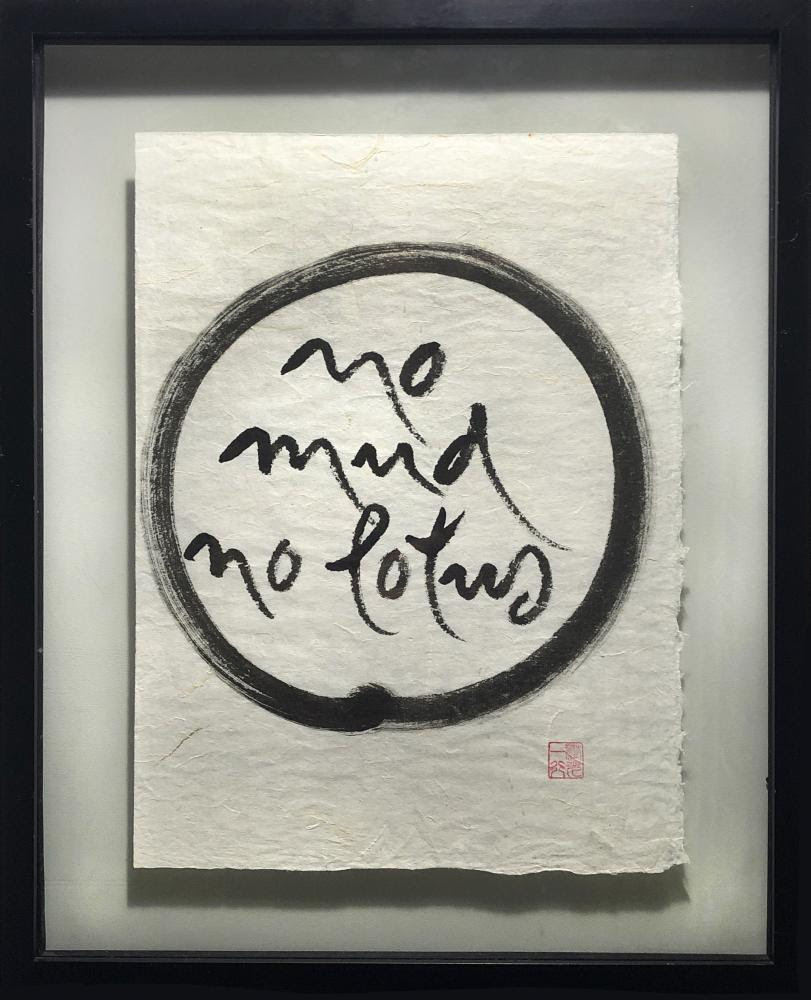
This week I want to share a piece of calligraphy art by the Zen Master Thích Nhất Hạnh. It’s a treasured gift from my mom, Aura.
Lotuses Bloom in Mud. You Bloom in Adversity.
The message reads, “No mud no lotus.” Maybe that should be our motto this year, my friend?
I don’t know about you but, for me, the biggest growth often comes from challenges.
Much of my hard-won wisdom and many of my blessings have come from adversity. Now, that doesn’t mean that I see something like the cancer diagnosis I received in my thirties as a gift — I don’t. But I can sift through the shit to find the diamond (and so can you). And just like diamonds, I believe that we are formed more beautifully as a result of all that heat and pressure.
You can’t pay for that kind of experience. You earn it by living it. So when the challenges come… When the fear hits… Breathe through the surge and muster the faith to keep going.
You are the lotus blossoming in the mud.
Mud (AKA Adversity) Sucks
At the same time, it’s fair to acknowledge that mud sucks. It makes a mess of things. It weighs us down. It leaves us cold. And after stepping in it, we carry it with us everywhere.
Maybe there’s been a rupture in your life lately that’s left you stuck in the mud:
A divorce
A miscarriage
Getting laid off at work
The loss of a pet or loved one
The end of a friendship
A sudden shift or unexpected transition
Or even just a loss of connection with yourself
Whatever challenge you’ve faced — whatever mud there is in your life, I’m sending you love.
I Made a New (FREE!!!) Gift Just for You.
It’s called The Hot Mess Recovery Kit and you can download it right now by hitting the button below.
Here’s what you’ll find inside:
4 PROVEN EXERCISES TO HELP YOU HEAL.
These are quick & easy practices designed to help you make peace with the big, messy emotions that follow tough times. You can do each one in just a few minutes (and you’ll feel SO much better afterwards!).
A FUN, SELF-DISCOVERY QUIZ.
With just a few questions, you’ll discover whether pent up emotions are secretly keeping you stuck — and how to care for them instead. I’ve even included some short videos to coach you through how to tend to your most tender feelings.
THE ULTIMATE SELF-CARE IDEA BANK.
This big list of ideas will ensure that even (and especially) when you’re struggling, you can be good to yourself — in five minutes or less!
PLUS LOVING GUIDANCE TO HELP YOU MOVE FORWARD & FINALLY FEEL LIKE YOU AGAIN!
I’ve filled this kit with practical resources from cheat sheets to meditations and breathing exercises. It’s all designed to reduce your stress & anxiety, help you make peace with the uncertainty, and allow you to find your way forward knowing there are brighter days ahead.
Hard times are when we need the most care. But they’re also the seasons when it can feel the hardest to take care of ourselves. And that’s why I made The Hot Mess Recovery Kit. (You can download your copy here, if you haven’t already!) So that, no matter how deep the mud, you can still bloom despite the adversity. I hope it helps you!
Now it’s your turn. What’s one thing that gives you hope when times get hard? Let’s share our wisdom in the comments.
The other day I got a hilarious email from one of my closest pals. Here’s what she wrote:
“I hope you don’t want to poke my eyes out for asking this question, but you’re so educated on this stuff and I don’t trust anyone else but you! I think I need to upgrade my juicer. There are so many juicers to choose from on the market. Where do I start? Oh and if you haven’t blogged about this, you should. It’s all so confusing!”
When I think about all the diet and lifestyle upgrades I’ve made, juicing takes the cake.
Once you get on the juicing train, you won’t want to step off. But you guessed it, ya need a juicer to make the fabulous stuff. So to help you get started, or take your practice further, I’ve done a deep dive on many of the popular juicers available today.
The low-down on my juicer ratings: In addition to my experience with many of these juicers, I reviewed every unbiased juicer review blog or website I could find as well as the most “helpful” positive and negative Amazon reviews for each machine. Everyone’s juicer experience is somewhat subjective, but I hope that these ratings and detailed juicer stats give you the tools you need to make an informed decision.
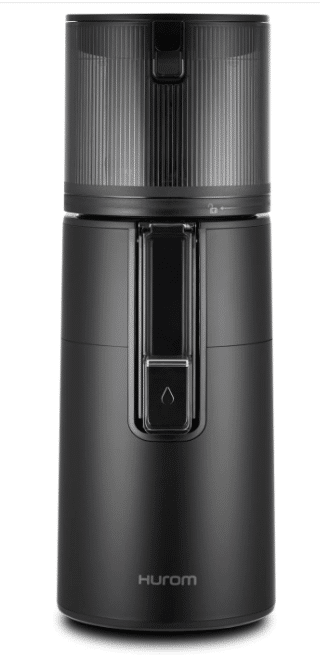
Hurom H400 Juicer
Type: Masticating/Slow Juicer
My rating: 15/15
I love the Hurom H400 juicer for many reasons. It has a large, self-feeding hopper. It’s quiet. It’s easy to clean, and it gives me a high yield.
Yield: The slow squeeze process allows you to get the most out of your produce. In fact, the H400 gives you the highest yield out of any of the Hurom Easy Clean models.
Usability: The large chamber and hopper size makes it easy to load larger amounts of produce. This is great for making larger batches to keep for later, or when you’re juicing for friends or family. The handy gauge window on the front of the model allows you to see how full the chamber is, as well as the beautiful colors of your juice.
Clean-up: The strainer-free design means less mineral buildup over time. And you can easily separate the individual parts. All this adds up to much less time scrubbing and cleaning.
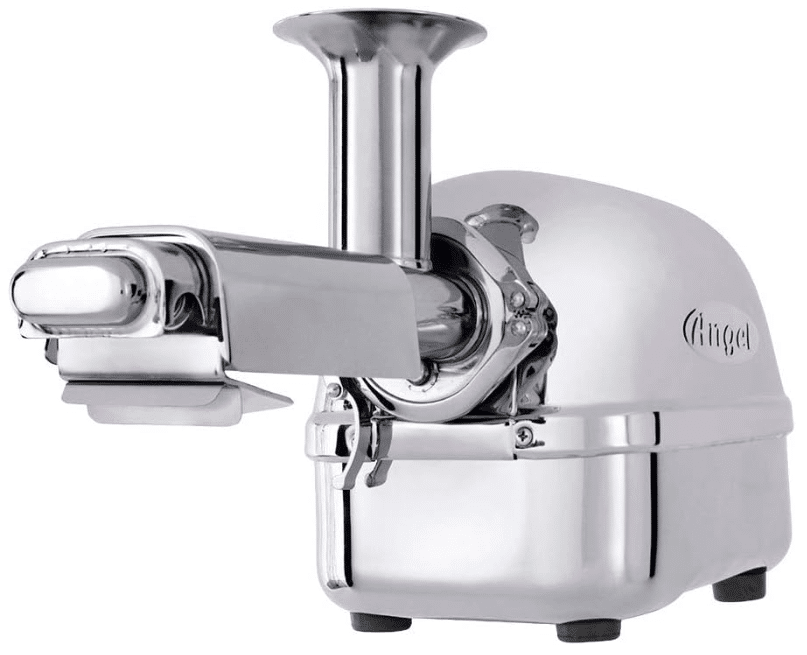
Super Angel 5500
Type: Twin-Gear/Triturating
My rating: 14/15
The Super Angel 5500 juicer is a top-of-the-line twin-gear masticating juicer known for its high juice yield, ease of use, and excellent clean-up features, all housed in a durable stainless steel body.
Yield: The Super Angel 5500 is known for a high juice yield. It operates at a low speed of 83 RPM, which ensures minimal oxidation and maximum nutrient retention.
Usability: The juicer is straightforward to use, with a setup that allows even those new to juicing to operate it easily. Although it features a narrow feed chute requiring produce to be cut into smaller pieces, the overall juicing process is oh-so-efficient.
Clean-up: Cleaning the Super Angel 5500 is relatively easy. While not all components are dishwasher safe, the juicer is equipped with a cleaning brush and is designed for easy disassembly for cleaning.
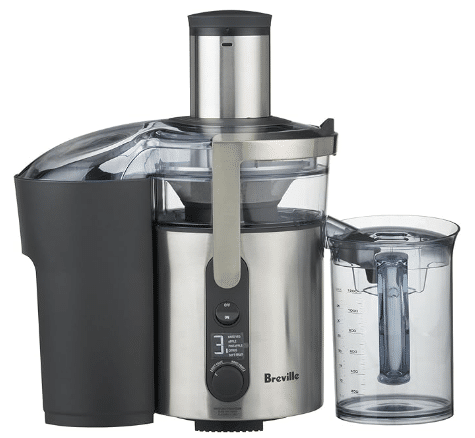
BREVILLE JUICE FOUNTAIN MULTISPEED
Type: Centrifugal
My rating: 12/15
The Breville Juice Fountain Multi-Speed (BJE510XL) juicer is a centrifugal model that is well-regarded for its efficient juice extraction, particularly from hard fruits and vegetables like carrots and apples. It features a strong 900-watt motor with five adjustable speeds, which allows you to optimize the juicing process depending on the type of produce you’re using.
Yield: The juicer is very effective at extracting juice from hard produce, and while it is less efficient with leafy greens, it still performs reasonably well when they are packed between harder ingredients.
Usability: The Breville Juice Fountain Multi-Speed has a wide 3-inch feed chute that minimizes the need for pre-cutting fruits and vegetables, allowing for faster and more convenient juicing sessions.
Clean-up: Cleaning this juicer is easy-peasy. It includes a cleaning brush and most of its parts are dishwasher safe (top rack recommended), which facilitates quick cleanup. Immediate cleaning is advised to prevent pulp from drying up and staining the plastic parts.
Criteria for Choosing the Best Juicer
Before you select a juicer, ask yourself the following questions, and be honest!
How much prep time am I willing to invest in my daily juicing?
How much cleanup am I willing to endure on a daily basis?
What’s my budget?
Will I be juicing wheatgrass?
What’s more important: The shelf life of my juice or the time/effort it takes to make my juice?
How much space do I have?
Which Juicer Should You Choose?
Frankly, that depends on your goals and your lifestyle. If you’re a hardcore raw foodie who wants to invest in a killer machine and you have some extra time on your hands, you might go full tilt with a twin-gear juicer.
On the other hand, if you’re a working mama who knows that she’s only going to make her green juice if it’s relatively quick, and easy to clean up, then you might opt for a centrifugal model. Will there be some compromise in nutritional value if you go the easier way? Sure.
But it all comes down to whether or not you’ll actually commit to juicing. Abandoned juicers make great dust collectors and door stops. So for best results, choose the juicer you’ll actually use!
Since everyone has different needs and budgets, I want to show you how I evaluate the many juicers on the market today so that you can choose a juicer tailored to your needs.
The Four Different Types of Juicers
In this section, I’ll teach you how to choose between a centrifugal juicer, a Masticating juicer, a Twin Gear/Triturating juicer, and a Wheatgrass juicer. I’ll list the pros and cons of each and some of my favorite brands and models of that type of juicer.
Centrifugal Juicers
Centrifugal juicers use a fast-spinning grater to shred the fruits and veggies. The juice then gets flung through a strainer and out the spout, while all the pulp flies up into a catch basket.
Pros: A centrifugal juicer is easy to clean and use, juices fast, takes up less counter space, is less expensive, juices fibrous veggies well, and juices whole fruits well (large chute).
Cons: Centrifugal juicers aren’t optimal for juicing greens. They’re also noisy, and the juice has a shorter shelf life (20-30 minutes), and nutrients oxidize quicker.
Tip: I stretch out the shelf life by storing any extra juice in an airtight jar to enjoy later that same day—realizing that it does lose nutritional value.
A masticating juicer uses one slowly turning screw-shaped gear that chews up the veggies and squeezes the juice through a stainless-steel screen. This action gently tears open the cell membranes to release the nutrients.
Pros: A slow juicer extracts more juice with higher nutritional value (enzymes included). It also produces less foam, has a longer fridge life (about 24-48 hours), and is quiet with less waste (drier pulp = less produce in your garbage). Most models also juice wheatgrass and can make nut butters, ice cream, veggie pâtés, and more.
Cons: Takes longer to prep produce and make juice (a smaller chute means that you have to cut up fruits and veggies into smaller pieces), more difficult to assemble and clean, heavy machine, higher price tag.
A twin-gear juicer is another slow juicer, slowly squishing the fruits and veggies between two gears until the pulp is nearly dry and almost all the juice is squeezed out.
Pros: The juice stays fresh longer (about 72 hours), has a higher juice yield and nutritional value, is more versatile (It can juice wheatgrass and makes nut butter, ice cream, veggie pâtés, and more), and is quiet.
Cons: It takes longer to prep and juice produce (again, smaller chute, etc.). Cleaning the juicer takes longer, and it is not optimal for juicing citrus fruits. It has a higher price tag and is a larger and heavier machine.
Wheatgrass juicers work by slowly squeezing and pressing juice out of the tough wheatgrass fibers—similar to wringing out your wet clothes after running through the sprinkler on a hot afternoon.
Wheatgrass juicers come in hand-crank and electric versions and while some are specific for wheatgrass, others will also juice leafy greens, fruits and vegetables.
The best juicers I’ve chosen are based on type, yield, usability, and clean-up.
The juicer you choose will depend on your budget, time invested, ease of cleanup desired, space you have, and what you’ll be juicing.
There are four main types of juicers to choose from: Centrifugal, Masticating, Twin Gear/Triturating, and wheatgrass.
Frequently Asked Questions
Is a cold press juicer and masticating juicer the same thing?
A cold press juicer, masticating juicer, and slow juicer are all names for the same juicing machine! They use a mechanism to slowly crush your fruits and veggies to separate the juice from the pulp.
What’s the difference between a masticating juicer and a centrifugal juicer?
A centrifugal juicer uses a spinning blade to chop your ingredients into small pieces. It’s a speedier process but it is capable of damaging the flavor and negating the nutrient density of the resulting juice.
What can you juice in a cold press juicer?
You can juice almost anything in a cold press juicer, from spinach and cucumbers to apples and oranges. Dryer ingredients (like wheatgrass) may need to be paired with something juicier.
How long can you keep cold press juice in the fridge?
Cold-press juices have a longer shelf life and should be “good” for up to 48 hours when stored in an air-tight container in the fridge.
Which Juicer Will You Go With?
I hope this helps you pick out the perfect machine that’ll have you juicing for decades to come! Adopting this one healthy habit will increase your energy, reduce inflammation, boost your immune system, improve your mood and support your overall well-being. It’s like prevention rocket fuel!
Let me know in the comments: What factors are most important to you in a juicer?
Are busy mornings a common theme in your house? I know they are in mine. You’ve got pups to walk, kids who can’t find their shoes, or maybe you’re just trying to sneak in a little self-care like a meditation or walk around the block. Who has time to take care of all that and make a healthy breakfast?
If the ticking clock has left you surviving on coffee alone, it’s time to add some extra nourishment to your morning routine. Thankfully, it doesn’t have to take much time. A few of my favorite quick healthy breakfast options include:
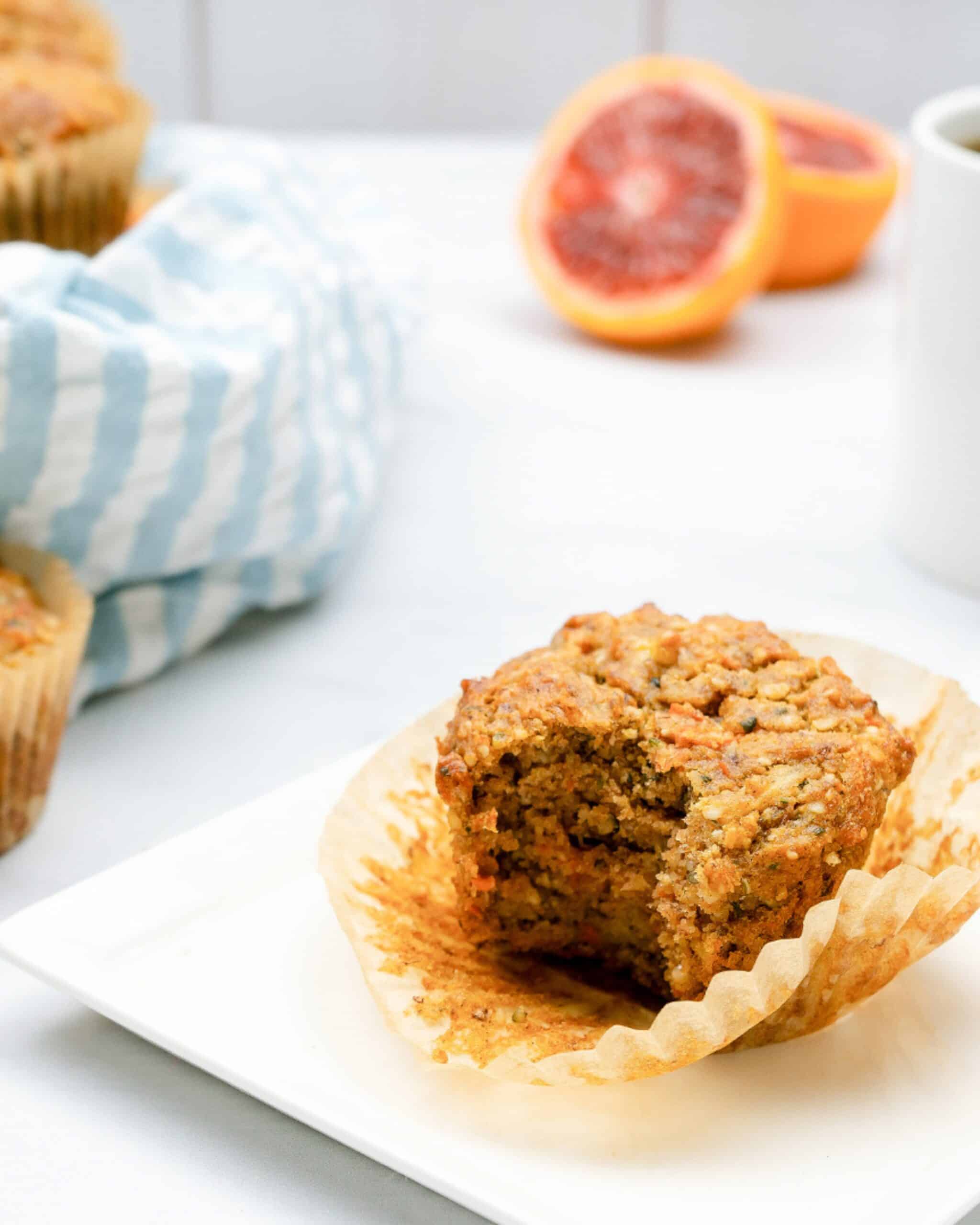
That last one is what I want to share with you today. Specifically, my recipe for Gluten-Free Morning Glory Muffins! I’ve got a 1-minute video below to show you exactly how to make ‘em. Just prep a batch over the weekend and you’ve got a healthy breakfast you can grab in seconds. It’s a sigh of relief for busy mornings and it’s fast becoming one of my favorite vegan breakfast recipes!
Now let’s be clear, not all muffins are created equal. Let’s be honest, some of them are really just cupcakes without icing! As delicious as they are, muffins are often packed with inflammatory animal products, sugar, refined carbs and other nasties.
Whereas these babies are packed with plant-powered nutrition to keep you full and energized all morning long. The flax and hemp seeds are a great source of healthy fats and plant-based protein. The apple and banana also give them a natural sweetness that’ll make you grin from ear to ear and won’t drop you on your butt an hour later like some traditional muffins do.
And can we talk about the carrots? They’re packed with beta-carotene that supports healthy eyesight and carotenoids that boost your immune system and keep your skin supple as you age. Squeezing veggies into a morning treat is next-level awesome, sweetheart — it’s the kind of lovin’ your body deserves. That’s why these Morning Glory Muffins paired with a simple green juice (like my Classic Green Lemonade) make the ultimate breakfast of champions in my book.
Ready to get cookin’, good lookin’? Hit play for your easy how-to, then find the detailed recipe below!
How to Make Quick, Healthy Morning Glory Muffins!
Here’s the full recipe:
Vegan and Gluten-Free Morning Glory Muffins
Serves 16 (1 muffin per serving) | Prep Time: 15 min | Cook Time: 22-25 min
Ingredients
1 cup gluten-free all-purpose flour
1 cup almond flour (or coconut flour, for a nut-free alternative)
1 tsp baking powder
1 tsp baking soda
1 1/2 tsp ground cinnamon
1/2 tsp salt
2 Tbsp ground flaxseed
6 Tbsp water
1 medium ripe banana, mashed
2 tsp vanilla extract
1/2 cup avocado oil
1/2 cup pure maple syrup
1/2 cup unsweetened shredded coconut flakes
1/2 cup hemp seeds
1 medium apple, shredded (peeled and cored)
2 cups shredded carrot (about 3 medium carrots)
Directions
Preheat your oven to 375 degrees Fahrenheit. Line 16 muffin tin cups with paper liners or silicone baking cups (like these BPA-free beauties!).
In a large bowl, whisk together the gluten-free all-purpose flour, almond flour, baking powder, baking soda, cinnamon and salt.
In a medium bowl, vigorously whisk together the ground flaxseed and water. Let sit for several minutes, or until slightly thickened. Add in mashed banana, vanilla extract, oil, maple syrup and coconut flakes, stirring to combine. Stir in hemp seeds, shredded apple and shredded carrot.
With a large rubber spatula, gently stir the wet ingredients into the dry ingredients until just combined. Divide the batter evenly among the prepared muffin cups—each cup should be mostly full.
Bake for 22–25 min (cooking times vary based on your oven) or until a toothpick inserted into the middle of a muffin comes out clean.
Today we’re tackling an important health topic: reducing inflammation. You’ve probably heard a lot about inflammation recently in wellness spaces. That buzz is justified — chronic inflammation is linked to all sorts of diseases and even speeds up how we age.
Over the past decade, I’ve renovated everything from my grocery cart to my makeup bag to my mind in an effort to upgrade my immune system. And as I moved from a stressful life full of fast food, toxins and bad boyfriends, to a more balanced existence filled with plant-based nourishment, inner growth and conscious living, I started experiencing the perks — my chronic inflammation decreased, and my body started working with me to heal and rebuild.
There are plenty of simple practices you can add to your day that will fight chronic inflammation. Here’s how to reduce inflammation in 5 easy steps.
How to reduce inflammation in 5 Steps
1. Eat more whole, plant-based, nutrient-dense foods
Certain foods can trigger an inflammatory response including processed foods that are high in refined sugar, flour and trans fats, fried foods, and animal products. The easiest way to adopt an anti-inflammatory diet is to add before you subtract. Crowd out inflammatory foods by eating a beautiful cornucopia of whole, plant-based foods.
Build your next meal around anti-inflammatory food powerhouses like dark leafy greens, tomatoes, nuts, berries (cherries in particular), olive oil and flax oil, hemp seeds, turmeric (or more specifically, curcumin, a naturally occurring chemical with anti-inflammatory properties), green tea, and ginger.
Eating these anti-inflammatory foods on a regular basis will flood your body with the vitamins, minerals, cancer-fighting phytochemicals, antioxidants, fiber and other goodies it needs to reduce inflammation.
A PREDIMED study explored how a Mediterranean-style diet, rich in whole, plant-based foods, can reduce inflammation. Since cardiovascular disease is essentially a low-grade inflammatory condition, researchers tested if this nutrient-dense diet could improve risk factors. Compared to a low-fat diet, the Mediterranean diet significantly reduced inflammation and related markers in participants with a higher risk of heart disease. (Source).
Here are a few of my favorite recipes to tap into those anti-inflammatory effects:
Oh, and don’t forget to stay hydrated. Proper hydration helps decrease inflammation and can even prevent it from happening in the first place, so drink up, buttercup!
2. Improve your gut health
Your gut holds approximately 60–70 percent of your immune system, so it’s a great place to start if you want to reduce inflammation. If your gut is in bad shape, your immune system might be in some serious trouble.
One easy way to start improving your gut health is by adding a high-quality probiotic to your daily routine. Here are a few of my personal faves:
If you’re experiencing prolonged bloating, gas or other digestive discomforts, taking digestive enzymes with meals can help you get more nutrition out of your food, as well as improving digestion and boosting your immune system.
Another possible cause of inflammatory symptoms is leaky gut syndrome. This condition occurs when your intestinal lining is damaged, allowing bacteria, undigested food and other toxins to literally “leak” into your bloodstream. This kind of leak triggers an autoimmune response with a host of painful inflammatory symptoms. If you think you may have a leaky gut, ask your doc to help you get a test done!
🗓 Living an anti-inflammatory lifestyle is easier when you track your habits. Grab my free Wellness Tracker below to supercharge your daily health routine!
3. Find an integrative MD you trust
Finding the right doctor is a critical part of nipping chronic inflammation in the bud. A good integrative MD takes a holistic approach by looking at your habits and the way you lead your life. Then you can work together to identify and address possible chronic inflammation triggers. Here are two in particular that your doctor is on the lookout for:
Food sensitivities: Gluten, soy, dairy, eggs and yeast are just a few of the common problem foods that might be wreaking havoc on your immune system every time you sit down for a meal.
If you think you might have a sensitivity or allergy, start paying close attention to what you’re eating and how it makes you feel. If your symptoms persist, fill your doc in on what you notice— they may suggest a blood test or elimination diet. You can find more info about food allergies and sensitivities here.
Chronic infection: Bacteria, viruses, yeast, parasites—oh my! These guys could be hiding out in your body under the radar and dragging your immune system down. If chronic infection is a suspect in your inflammation mystery, your doc may ask for blood work and/or a stool sample to analyze. Yes, your poop has a lot to say about what’s going on inside, so listen up!
Your body works hard to repair and restore your glorious cells while you sleep. Most doctors recommend 7–8 hours of sleep per night. If you’re cutting corners in the snooze department, you’re cheating your immune system, which means it needs to kick into high gear in an effort to keep you well (hello, inflammation!).
Stress goes hand in hand with a lack of sleep and a laundry list of demands in our daily lives. Unfortunately, when you’re stressed out all the time, you’re also producing more of the hormone cortisol—inflammation’s BFF. You can reduce inflammation by reducing stress. Get more sleep, try yoga or meditation, take long walks, use less technology, or take a much-needed vacation. You know I love to take every opportunity I can to remind you to take a chill pill!
5. Reduce toxins in your food, home and personal care products
Your body’s alarm system goes off when you absorb toxic chemicals and pesticides through your digestive tract and skin—inflammation station, here we come! Luckily, there are some small, simple changes you can make to start protecting yourself right away. And please don’t feel like you’ve gotta throw out everything in your house and start from scratch—each and every baby step goes a long way.
Remember, small steps lead to big change! That’s especially true when it comes to fighting chronic inflammation. Start connecting the dots to better health by trying one of these suggestions and see how you feel.
What is Inflammation?
Acute inflammation
Acute inflammation is your body’s natural and helpful immune response to tissue damage. For example, when you fall off your bike, the cut swells, reddens and feels…inflamed! These are all signs that your immune system is busy at work sending white blood cells to the site of your injury to repair the tissue. In this situation, inflammation is our friend—we couldn’t live without it.
Chronic inflammation
Chronic inflammation is your body’s confused and damaging immune response to a barrage of environmental, physical and mental invaders. What you eat and drink, the thoughts you think, toxins, smoking, booze and even being a couch-potato can all trigger a fiery cascade of inflammation throughout your body.
When your body hits inflammatory overload, your defense system gets so overwhelmed and confused that it literally doesn’t know the difference between the invader and you. As a result, your well-meaning immune system turns on itself, destroying healthy cells, tissue, and everything else in its wake. It’s like when Al Pacino played Tony Montana in Scarface. He mows down everything in sight, yelling, “Say hello to my little friend!”
The dangers of chronic inflammation
Chronic inflammation can be incredibly damaging over time, wearing down your immune system. This opens the door to autoimmune disorders, chronic diseases, and a number of other health issues – cancer, asthma, heart disease, allergies, irritable bowel syndrome, arthritis, osteoporosis, and even (gasp!) premature aging.
Unfortunately, these challenges are often only treated with drugs and surgery. These may provide temporary relief from the symptoms, but don’t get to the root of the problem. In addition, these drugs (and their side effects) sometimes only add to your health problems.
Could it be that many of the pills in your cabinet are just band-aids and that the key to health lies in your daily diet and lifestyle choices? That’s certainly what I’ve found to be true.
Your turn: Do you struggle with chronic inflammation? Which one of these tips will you try? Or, if you have inflammation fighting tips of your own, tell me all about them!
Habits. This simple little word is just six letters long, but it holds oh-so-much meaning.
Many of us know what we want to do differently and the promise of a better way of living (and feeling!) can be so inspiring—there’s just something super energizing about the potential to experience more of our glorious lives. But sticking to wonderful practices that we know will help us accomplish our goals them can often prove difficult.
Goals need follow through support. So keep reading, my friend, because I’m giving you my top 5 proven tips for maintaining healthy habits.
How to Maintain Healthy Habits
1. Choose 3-5 Goals
Fewer goals will allow you to focus your attention and efforts more effectively. Start with 3 (and no more than 5!) healthy habit, self-loving goals per year. Limiting your goals to a manageable number also has a nice side benefit of boosting your stress management.
2. Get Clear About Motivation
When you are clear, you can visualize things better. Be clear about what you want (your goal) and why you want it (your motivation). This will help you stick with it! Write it down. Post it so you can see it. Allow it to fuel your intent. And also get clear on how you’re going to make it happen (your action plan). We may love to dream and manifest, but if we poop out on planning the supportive actions we need, we’ll fall short.
Know what you want, and clarify how you’ll get there before you begin. Clarity will help you visualize your healthier habits. Athletes use visualization as a tool, and studies confirm that visualization helps build the mindset needed to achieve short- and long-term goals. (Source) You don’t have to be an athlete to tap into this potent practice, you just have to get clear.
3. Find an Accountability Buddy
Creating healthy habits requires repetition and support. We need each other! There’s strength in numbers, so find a person or group of people who are interested in the same goal, and do it together. Gamify it! Turning goals into games that enhance support or competition has been shown to significantly increase you actually doing it. (Source)
4. Plan Your Success
Meal plans. Scheduling self-care activities. When we make it a priority to set up for what’s ahead, we make it easier (and less stressful!) to succeed. Studies have shown that plans are effective in helping you start and maintain a goal, and even help build your capability for future goals! (Source) Remember, creating space to put in a little bit of prep and a little bit of planning ahead, will get you a big return. Self-care is part of your mental and physical health care, so plan your success!
5. Believe in Yourself
All the tips and hacks in the world won’t matter if you don’t believe you can do it. You can do anything you put your mind to. Any voice that says you can’t is false. And if you find that sometimes your inner voice is not your cheerleader, then you can believe me when I say It’s not your fault. You’re not lazy or uncommitted (or whatever you might say to yourself in those difficult moments) because this is not about willpower. You just need the right tools to keep those wonderful healthy habits alive!
🎯 Speaking of tools, my Wellness Tracker will help you set, monitor, and maintain healthy habits. Get your Tracker below for free!
Healthy Habit Overview
I’m so happy to help you delve into the heart of maintaining your healthy habits with these precious pearls of wisdom. Start by cherishing quality over quantity, 3-5 attainable goals annually to channel your energy effectively. Then, gather those dreams and make your intentions crystal clear, knowing your goals and motivations, and the action plan to light the path ahead.
Seek support from kindred spirits to bolster your journey, for accountability and celebration. Then plan. Prioritizing planning eases your way toward success. And above all, nurture unshakable self-belief. Your mindset shapes the narrative of your wellness journey. Be sure to believe the truth: You can do this!
Change Your Habits, Change Your Life
Remember: You can do anything you put your mind to.
The only question is, what do you want? Aim high and don’t be afraid to go BIG, sweetheart. And if you’re not sure that you can stick with it, then trust me instead. Because I know you can, and I’m so excited to see you succeed!
Now it’s your turn: Which one tip you will start this week to help you maintain your healthy habits? Let us know in the comments below. And if you have some healthy habits tips, please share!
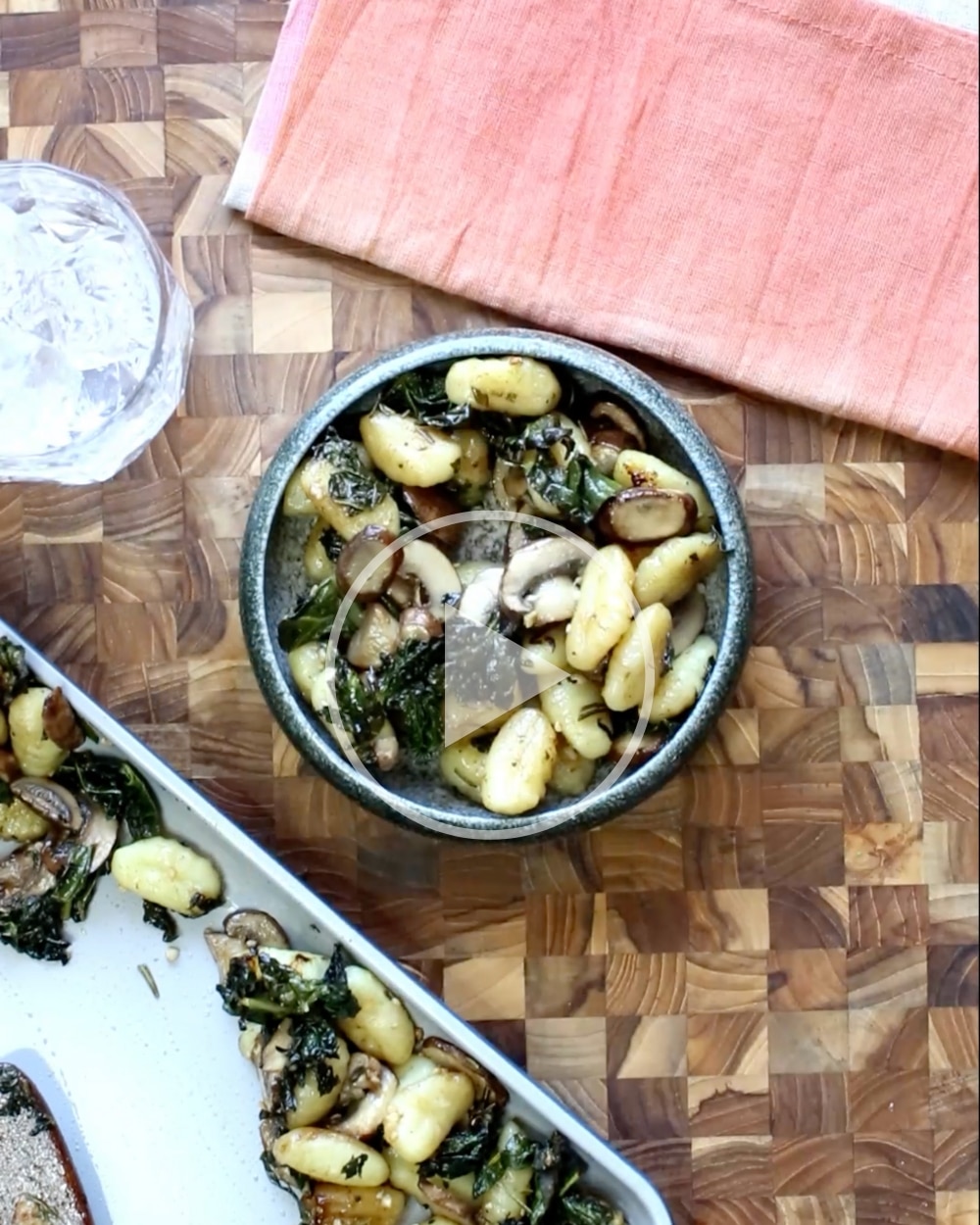
What’s better than luscious, fluffy gnocchi? I’d say a full gnocchi meal that can be made in 15 minutes flat! Healthy one pan meals like this recipe are a game-changer for busy nights. You just toss everything together and then let the oven do the work.
Plus this one gets a major nutrient boost from the kale, which checks a serving of dark leafy greens off your list and brings a dense mix of vitamins, folate and fiber to the party. Plus the cremini mushrooms specifically offer a high level of selenium and other macronutrients that boost your immune system. In other words, this is a recipe that both your busy schedule and your body will thank you for!
So whether you’re looking for quick vegan meals or just looking for healthy recipes that actually taste good, you’re sure to love this one!
Sheet Pan Gnocchi with Mushrooms and Kale Recipe Video
Here’s the full recipe:
Sheet Pan Gnocchi with Mushrooms and Kale
Serves 4
Ingredients
3 Tbsp olive oil
3 Tbsp low-sodium vegetable broth
2 tsp balsamic vinegar
1 tsp Dijon mustard
4 garlic cloves, peeled and smashed
One 16–17 oz (454–482 g) package shelf-stable potato gnocchi (most brands should be plant-based)
1 pound (454 g) crimini mushrooms, sliced
1 bunch lacinato kale, stems removed and leaves coarsely chopped (about 6 cups or 126 g)
1 Tbsp minced fresh rosemary
1 tsp salt
1/4 tsp black pepper
Directions
Read through the recipe and put all ingredients in your work area before starting your prep.
Preheat the oven to 425°F (220°C).
In a small bowl or measuring cup, whisk together oil, broth, vinegar and mustard. Add in garlic and set aside.
On a sheet pan, place gnocchi, mushrooms and kale. Add oil mixture, rosemary, salt and black pepper and toss gently to combine. Spread mixture evenly on the baking sheet (the baking sheet will be crowded, but the volume will shrink down significantly once cooked).
Place in a preheated oven and roast for 15 minutes. Stir mixture thoroughly and return to the oven for an additional 10–15 minutes, or until gnocchi and mushrooms are slightly golden and kale is wilted and a little crisp. Enjoy immediately.
Want more healthy one pan meals? Check out these fan favorite recipes:
Today we’re tackling the topic of protein, which can be a touchy subject in the health world—especially when it comes to animal protein vs. plant-based protein. And just so you know, this blog isn’t about converting you to a vegetarian or vegan diet. It’s about helping you make healthier, more conscious food choices. No judgment. Just knowledge and love.
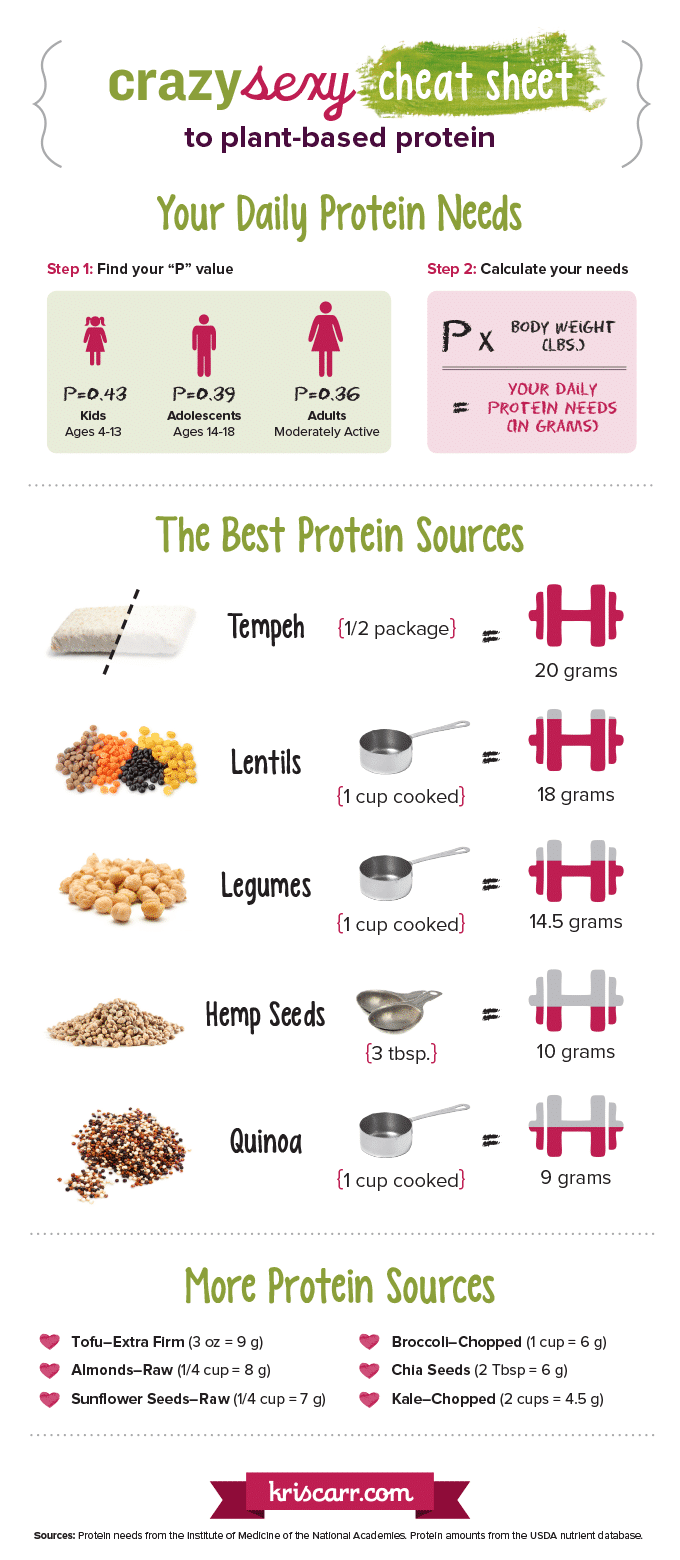
I’ve written a lot about animal and vegan protein sources in the past, so I looked back at Crazy Sexy Diet and Crazy Sexy Kitchen while writing this post. I’ve updated some fantastic excerpts from these books, added a bunch of tips and even created a handy infographic for you!
Seitan has become a popular staple of vegan diets. It has a high protein content, containing around 25 grams of protein per three-ounce serving. Seitan is made from vital wheat gluten and is one of the best meat substitutes to mimic the texture of meat.
Because Seitan is made from wheat gluten, anyone with Celiac Disease or gluten intolerance should focus on other vegan sources of protein.
TEMPEH
Tempeh is a soy-based protein that’s made by cooking and fermenting soybeans. Then they’re pressed into a block. A half-block serving of Tempeh packs a powerful protein punch with 20 grams per serving.
TOFU
Tofu is similar to tempeh, except soybean curds are pressed together (similar to how cheese is made). 3 ounces of tofu contains 9 grams of protein.
EDAMAME
Edamame is considered an “immature” soybean that must be steamed or boiled to be edible. These extremely versatile beans can be used in salads, stir-fries, and vegan sushi. They also pack a powerful punch with 17 grams of protein per cup.
SOY MILK
Just like tofu and tempeh, soy milk is derived from—you guessed it—soy. Soy milk is a decent alternative to cow’s milk that also provides 6 grams of protein per cup. It’s usually fortified with vitamins and minerals (like calcium, Vitamin B12, and vitamin D).
LENTILS
Cooked lentils contain 18 grams of protein per cup and include other key nutrients, such as folate and iron. Lentils also contain over half of your daily protein needs. They’re versatile and can be used in soups, salads, and even curry.
Legumes, i.e. beans, are another versatile staple of high protein options on plant-based diets. 1 cup of cooked beans contains 14.5 grams of protein. They’re also one of the cheapest sources of protein available. Legumes are full of antioxidants (which can prevent inflammation) and are a great source of fiber.
I’ve created many great bean recipes you have to try!
Just 3 tbsp of hemp seeds contains 10 grams of protein! That’s a pretty high protein content in a small serving (and the most protein of all the seeds). Plus, hemp seeds contain other nutrients like iron, calcium, magnesium and zinc. They’re also a source of omega-3 and omega-6 fatty acids not derived from fish. Hemp seeds are great in salads, granola, and protein balls.
QUINOA (AND AMARANTH)
Quinoa and other “ancient grains” like amaranth are great sources of protein, containing about 9 grams of protein per cup. They are also unique because they’re complete proteins, whereas most cereal grains are incomplete proteins.
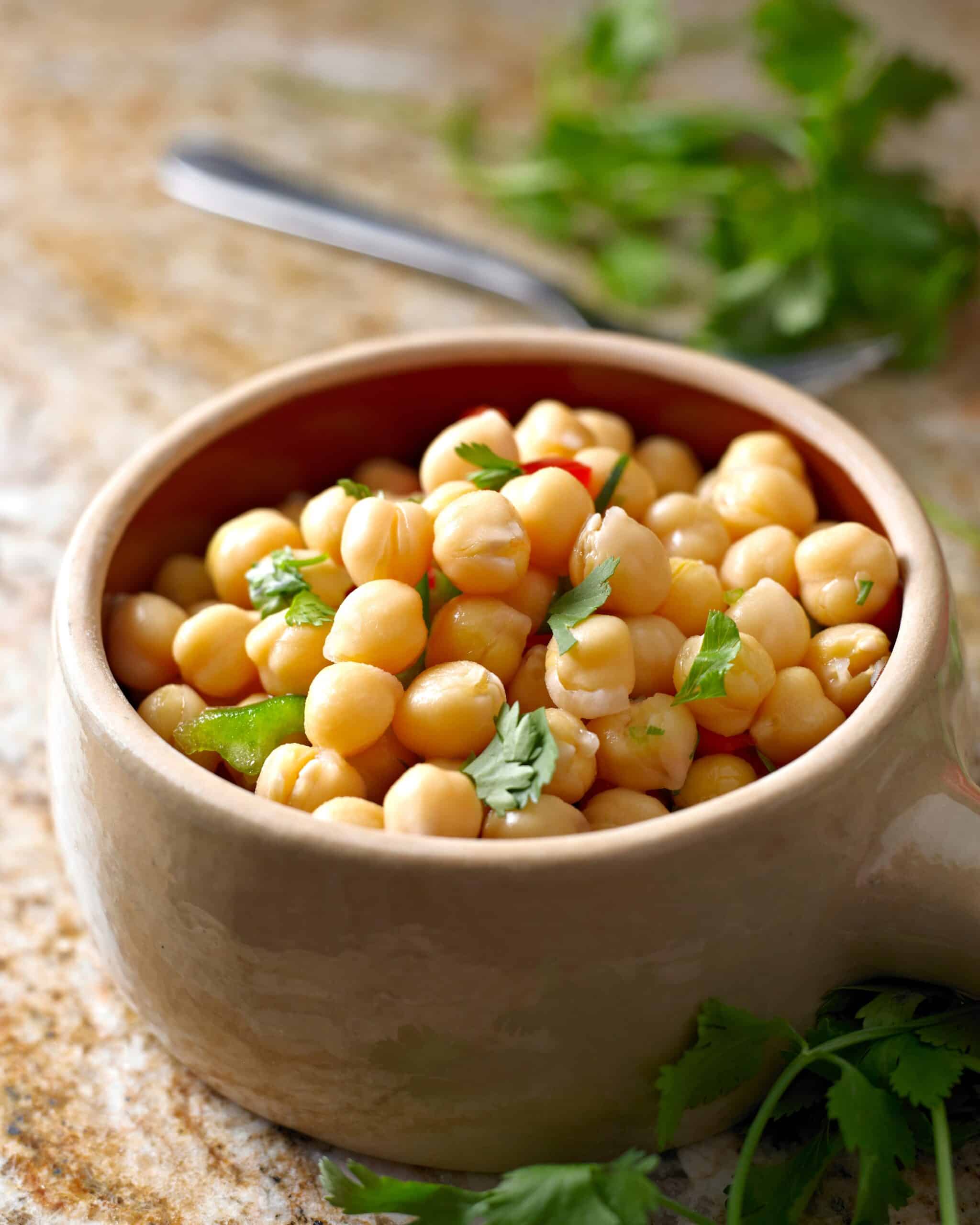
You might have heard these little guys called garbanzo beans, but chickpeas contain 14.5 grams of protein per cup. They’re a great addition to Coconut Thai Curry or Chickpea Tuna Salad and are the base for one of my favorite dips—hummus!
Almonds contain fat, fiber, and protein. A one-quarter cup serving of raw almonds has around 8 grams of protein. You can eat almonds plain, make your own almond butter, or toss them on your favorite salad. Other nut butters like cashew and peanut can be great sources of fiber, too.
SUNFLOWER SEEDS
High protein plant-based foods also include sunflower seeds. They’re allergen-friendly, gluten-free, and contain 7 grams of protein per quarter cup.
PUMPKIN SEEDS
Pumpkin seeds contain 10 grams of protein in 1/4 of a cup. They make a wonderful snack or great addition to a salad for some added crunch. You can even use them in vegan mac & cheese.
FLAX SEEDS
Flax seeds contain nine grams of protein per serving. They’re high in omega-3 fatty acids and other nutrients and are rich in fiber.
CHIA SEEDS
Chia seeds are another source of both fiber and protein. Just like hemp seeds, they contain selenium, magnesium, iron, calcium, and omega-3 fatty acids. Chia seeds are a great topping on my Raw Cashew Banana Yogurt (a great replacement for dairy-based greek yogurt).
BROCCOLI
This little, green guy is another completely allergen-friendly protein source that’s a vegetable. One cup of chopped broccoli holds 6 grams of protein. Give my Broccoli Curry Udon or Vegan Broccoli Salad a try to get your greens in.
GREEN PEAS
Peas are another vegetable that packs a powerful protein punch. Cooked peas are full of protein, with 9 grams per cup. If you want to add protein to a smoothie, pea milk and pea protein can be a great edition.
KALE
Ah, kale. Two cups of chopped kale hold 4.5 grams of protein. Kale is also versatile and can be used in many different ways. Here are some of my favs:
Nutritional yeast is a deactivated strain of Saccharomyces cerevisiae (that’s a mouthful!). This powdery substance is a great flavorful addition to mashed potatoes or a fun topping to sprinkle on popcorn. Just half an ounce contains 8 grams of protein.
WILD RICE
Wild rice is a surprising source of protein, with 7 grams in a cup. But because wild rice isn’t stripped of bran, it can be commonly contaminated with arsenic. But careful washing and boiling will reduce (if not eliminate) most arsenic contamination.
SPIRULINA
Spirulina is algae and is also considered a superfood. Why? Just 1 tbsp. of dried spirulina holds 4 grams of protein. It’s the highest source of plant protein in the smallest serving. Spirulina is also full of iron, minerals, and B vitamins. Spirulina is even known to help boost your immune system.
OATS
Dry oats provide approximately 5 grams of protein per half a cup (and are also packed with fiber). Whole grains like oats can be used to bake bread, make a great alternative to dairy milk, or simply be eaten as oatmeal.
As you can see, vegan diets based on plant-based sources provide adequate protein necessary for the human body.
Animal Protein vs. Plant-Based Protein
Poor Animal Living Conditions Compromise Your Health
Whether or not a particular food is healthy for us doesn’t solely stem from its nutritional value or health benefits. It’s also about how your dinner got to your plate. When evaluating the health consequences of animal products we must also consider the way the critters were raised and treated. Compassion aside, this is about your well-being.
How an animal is cared for from birth to slaughter truly, madly, deeply affects your body. Unhealthy animals create unhealthy food. The unsanitary and inhumane practices of factory farms threaten our food supply. Would you knowingly drink from a polluted well? We must remember that we humans are at the tippy top of the food chain. This means that we eat everything that the critter below us ate and below them ate and so on.
Want to Include Meat? Follow These Principals
If you want to include animal-based foods in your diet, that’s your choice and I totally honor it (and you!). My advice: keep it to a minimum (two or three times per week), as a garnish or side dish, and make the best selections. According to the American Dietetic Association, a portion of meat shouldn’t be larger than a deck of cards, or the palm of your hand (about 3 ounces).
In addition, do your best to say “no way” to factory-farm products. Instead, look for the Certified Humane Seal, which is the gold standard in farming. As for seafood, Food and Water Watch is a terrific resource to learn what seafood products are safest and, therefore, healthiest. Unfortunately, farm-raised fish often experience similar confinement and health issues. As for wild fish, our oceans aren’t what they used to be and as a result, high levels of mercury (especially in deep-sea fish) and other heavy metals are abundant.
And once you embrace the deliciousness of plant-based cooking, there’s a entire world of whole foods (filled with all the protein you need) waiting to be experienced and savoured.
Getting the Right Combination of Protein and Essential Amino Acids
Proteins are long strings of amino acids. There are twenty different amino acids you need for good health, but our bodies can only make eleven of them. The remaining nine are referred to as essential amino acids.
Because we can’t make these essential building blocks, it is essential for us to get them from our diet. Foods that contain all nine essential amino acids are known as complete proteins, although they are not necessarily better protein sources.
While animal flesh is a complete protein source, it’s also “complete” with potentially harmful saturated fat and cholesterol, plus hormones, antibiotics, and oftentimes other unsavory party-poopers like E. coli. And unlike plant proteins, they lack phytonutrients, water, antioxidants, enzymes, and fiber.
Plants are often touted as incomplete protein sources, but many plants have complete proteins providing all the amino acids you need. Quinoa, soy products, buckwheat, and hemp seeds are all vegan protein sources.
Other plant protein sources are only slightly incomplete, so as long as you’re eating a variety of them you’ve got a complete protein powerhouse. You don’t even have to eat them all at the same meal or even on the same day.
How Much Protein Do You Need in Your Diet?
Your Daily Protein Needs
How much protein you need depends on your body weight (and a couple of other factors). The USDA’s recommended daily allowance is about 0.36 grams of protein per every pound of body weight (so, at 130 pounds, you’d need about 47 grams of protein daily).
The average American adult consumes between 100 and 120 grams of protein every day. Not only is that nearly two to three times what we need, but it also comes from high-fat animal products instead of protein-rich plant foods.
❗To quickly determine your daily protein needs, use our calculator below. Simply add your age and weight to get your daily protein needs.
Please Note: Our calculator uses the standard USDA recommendations described above. If you’re an athlete trying to build muscle, are pregnant or lactating, or are under physical stress, use 0.45 when calculating protein needs (so, at 130 pounds, you’d need about 59 grams of protein daily).
Daily Protein Needs Calculator
Sample Meal Plan
Here’s how a moderately active adult who weighs 140 pounds could meet their protein needs (50 grams per day) from vegan protein sources:
Breakfast: 12 ounces green juice = 2 grams protein | ½ avocado (1.3 grams protein) on 1 piece Ezekiel toast (5 grams of protein per serving) = 8.3 grams protein
Snack: 1 cup raspberries and ¼ cup raw almonds = 9 grams of protein per serving
Lunch: Large green salad with ½ cup black beans, ¼ cup raw sunflower seeds with olive oil and brown rice vinegar dressing = 15 grams of protein per serving
Snack: 10 rice crackers and raw veggies dipped in ½ cup hummus = 13 grams of protein per serving
Dinner: Broccoli stir-fry served over ½ cup brown rice = 6 grams of protein
Snack: Green apple with chamomile tea = 1 gram of protein
TOTAL: 54 grams of protein
So clearly, if you’re eating a well-balanced plant-based diet—meaning you’re consuming a wide variety of high-quality protein-rich foods, like vegetables, greens, sprouts, legumes, tempeh, beans, nuts, grains, and so on—then you will certainly be getting enough protein. Even the higher protein needs of pregnant and
A Protein Myth: The More Protein in Your Diet, the Healthier and Stronger You’ll Be
The belief that we need a high protein intake to be healthy and strong is one of the most pervasive myths in America. In fact, overdosing on protein is one of the reasons we’ve become so unhealthy.
Studies show that as protein consumption goes up, so do the rates of chronic disease. Hello, inflammation! In truth, protein deficiency is virtually nonexistent in industrialized countries.
Is protein important? Absolutely! But as you just read, in large quantities it can harm your health. The trick is to upgrade the proteins we consume and make safer choices on a regular basis.