Blog

  • My Key to Success: A Simple System for Creating a Happy Life You Love

    My Key to Success: A Simple System for Creating a Happy Life You Love

    Hiya Gorgeous!

    How you mentally start your day is as important as what you eat, your self-care practices and how you show up in the world.

    In fact, when you start your day feeling stressed out and scattered, you’re more likely to attract unwanted chaos in your life. Before you know it, you’re anxious about the news, you’ve argued with your spouse, cut someone off in traffic and sent a regrettable email to a coworker—all before 9 a.m.!

    …Or is that just me?

    But when you ground your day in a positive and powerful way, everything flows with ease. You feel happier and are a heck of a lot more productive, without creating any energetic shrapnel!

    The more I live this way, the better I feel—and I want that for you, too. So, today I’m sharing the system I designed to create a joyful life you love.

    This method was born out of my own journaling practice, one that I’ve fine-tuned over decades. It’s called the Success Mindset Practice and I believe it’s been my key to success (and happiness)—both personally and professionally.

    As you know, your beliefs and emotions have the power to transform your life. When you’re in a positive state of mind, elevating your energy and directing it towards your highest potential, you’re more likely to achieve your desires (success!).

    You proactively shape your days to align with how you want to feel and who you want to be. From this space, your intuition flows freely, decisions are easier to make and healthy relationships are more likely to flourish. But it doesn’t stop there, the better you feel, the more joy and abundance you attract and create in your life. It’s a powerful energetic cycle.

    The Practice That’s Been My Key to Success in Life, Business, Love and Everything in Between!

    In order to experience this positive flow that shapes your life, I’ve found that it’s essential to focus on four areas every day: your feelings, gratitude, intention and affirmations. These areas make up the Success Mindset Practice.

    First, let’s step through each of them so you understand their importance on a deeper level. Then, we’ll dive into how you can implement this practice and turn it into your own key to success in life.

    1. Touch base with your true feelings.

    While I’m often excited to dig into the day, I’m a much better leader, wife, friend, patient, speaker, teacher, etc. when I connect with myself first. By simply taking a few minutes to journal about how I’m honestly feeling, I tap into my heart. I also clear any negative air, if needed. From that space, I can direct my energy wherever it needs to go.

    When I don’t take time to connect, I’m often scattered, irritated and just off-center… which means I’m more likely to overextend myself and lose touch with my inner joy and wisdom. Once that happens, I’m already in an energy deficit and struggling in recovery mode. Sound familiar?

    Connecting with your feelings first not only allows you to find refuge in your own company, it helps you tend to your inner life so you can polish your energy and in turn, lead with confidence. You’re less likely to second guess yourself and more likely to trust your gut wisdom. You’re also better equipped to delegate or help someone troubleshoot their own issues, rather than taking them on yourself. If you’re a people pleaser like me (which isn’t necessarily a bad thing), that means that you can stop being the manager of the universe and start putting your own oxygen mask on first!

    2. Practice gratitude for what’s already amazing in your precious life.

    There are so many things I want to do in my life—experiences I want to have, successes I want to celebrate with fine organic champagne, love I want to share and worries I want to release. But when I just focus on my wants, without acknowledging the abundance I’m already so graced with, my cup looks pretty dinky rather than full—aka deficit mode.

    Gratitude offers a life-altering (and sobering!) perspective. It helps you relish in what’s already so good and delicious in your life. Plus, the more you count your blessings (small, big and everything in-between), the more blessings you receive. And let’s not forget the many health benefits associated with stress and anxiety reduction, which often come along with appreciation! Your doctor will be very pleased.

    3. Channel your intentions and see yourself leading from your power source.

    Thank you, Oprah, for teaching us about the power of intention many moons ago. I remember how empowering it felt to realize that I don’t have to get tossed around on the sea of life (and neither do you!).

    Whether we’re aware of it or not, intentions are the conscious and unconscious motivations behind your every action (and the outcomes they create—good and stinky).

    Each and every day, you have the ability to channel your energy towards the joyful life you desire.

    As one of my favorite spiritual teachers, Gary Zukav says, “You create your reality with intentions.” That means that your intentions shape the energy that flows from and to you. With that in mind, it’s important to set intentions that reflect the results you want to experience and serve the highest good for all.

    4. Affirm the magic you want to make.

    In the most basic sense, affirmations are statements about who you want to be and what you want to manifest in your life. But it goes deeper than that. One of my cherished mentors, Louise Hay, taught that affirmations are everything you say and think. Because you’re an active participant in creating your reality, your words are more powerful than you think.

    Affirm the magic you want to make! Decide what you want to affirm and what you don’t.

    Here are some examples: I love and accept myself. It’s safe to stand out. I am prosperous. And one of Louise’s favorites: All is well. Think of your affirmation practice like planting seeds for your future success. Write them in the present tense (as if they’re already true) and repeat them as often as you like.

    So now that you know the core components of the practice, let’s put it all together so you can get started. It’s really simple. You just fill out four prompts each morning. Take your time, tap into your heart and let your imagination rip! Ready?

    The Success Mindset Practice: A Daily Exercise to Help You Create a Happy Life You Love

    Write the following questions in your journal and allow your soul to guide the answers.

    1. How are you feeling today?
    2. What are three things you’re grateful for?
    3. What is your intention for today?
    4. What is your affirmation for today?

    There you have it! Try the Success Mindset Practice for the next 30 days. Take 10-15 minutes each morning to honestly answer these prompts without censoring yourself. Allow the practice to help you align with your joyful nature so you can feel better, do better and co-create magic—day after day!

    Starting my day with this practice truly is the secret to my success. It’s my joy compass. Whenever I feel lost, I find my way home to it. Whenever I want to feel even better, I lean on it more. My guess is that it will help you feel as connected, grounded and happy as I often do.

    At the end of our lives, all we have are our memories. The goal is to string as many magnificent days together as possible. Are you with me? Fantastic! You’re about to discover your own key to success—body, mind, spirit (and even your bank account, ka-ching!).

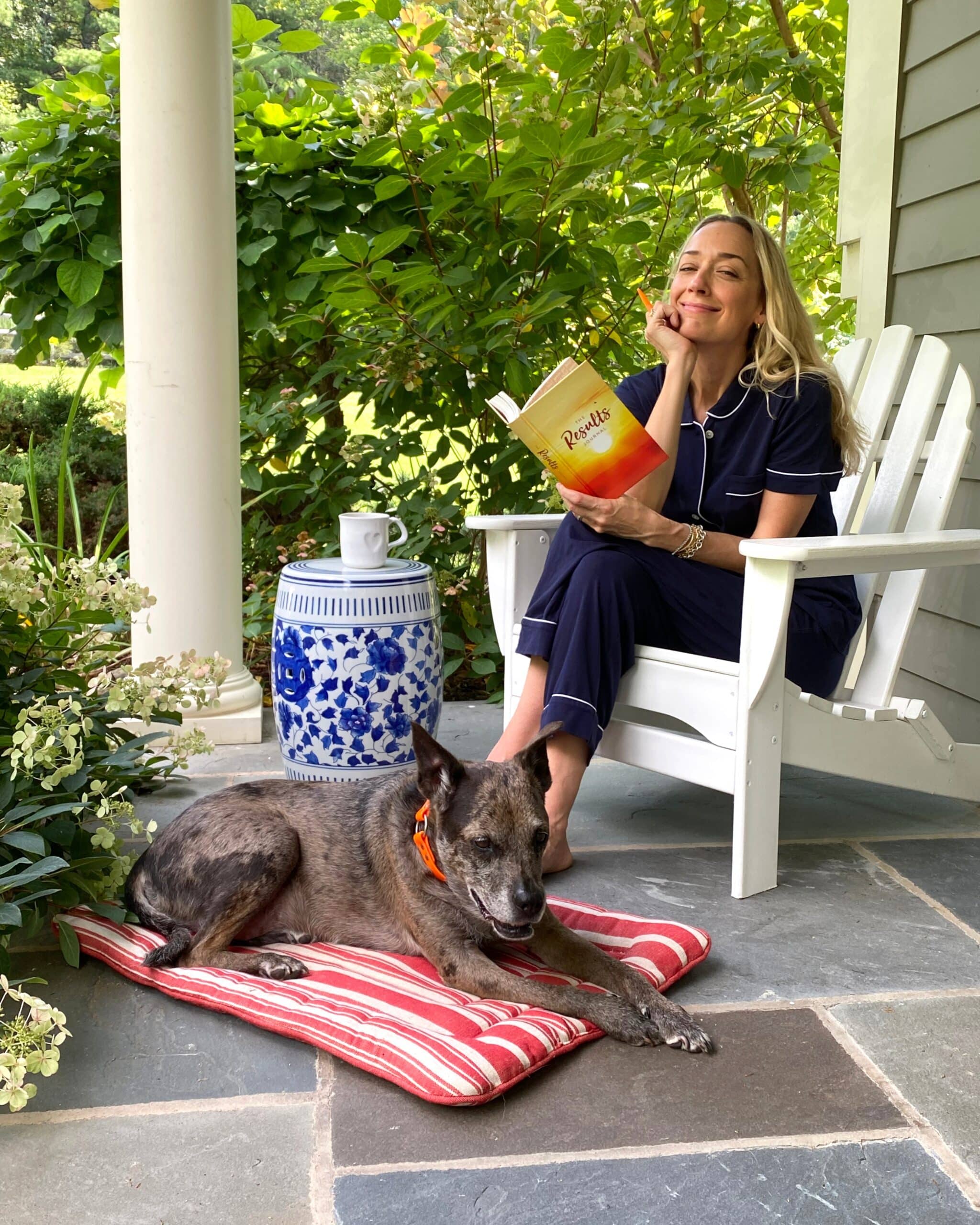
    Amplify your joy even more with The Results Journal!

    I designed The Results Journal to help you supercharge your health, amplify your joy, and rock your dreams. It’ll help you consistently apply the Success Mindset Practice I just told you about—and then some! You can get all the deets here, but let’s start with some tantalizing tidbits to whet your appetite. Through daily exercises and guidance from me, The Results Journal will help you…

    • Make wellness a priority and integrate it into your everyday life.
    • Cultivate a mindset of positivity and possibility so you become a magnet for more peace, joy, and fulfillment.
    • Clarify your goals and dreams—so you can start making them a reality, one action at a time.
    • And SO much more!

    Order your Results Journal now!

    Your turn: Will you try out the Success Mindset Practice (hint: say YES!). Let me know in the comments below so we can cheer each other on!

    Peace & stepping into your power,

  • How to Overcome Fear: 9 Simple Tips to Set You Free from What Scares You

    How to Overcome Fear: 9 Simple Tips to Set You Free from What Scares You

    Hiya Gorgeous,

    Oh, it’s you again. Hello, fear.

    Whether you’re fearful of getting sick, you’re currently dealing with a health issue, or you’re scared and struggling in other areas of your life, I want you to know that you’re in good company.

    I also want you to know that learning how to overcome fear IS possible. And that doesn’t mean burning it to the ground every time it rears its ugly head. Sometimes it’s as simple as working WITH your fear rather than against it. Because fear contains powerful messages. When we’re courageous enough to be with what scares us, we can awaken our intuition and create a new path for healing.

    Don’t judge your fears, invite them to tea!

    It’s common to belittle our fears and try to prematurely cleanse them away. But just because we’re afraid, doesn’t mean we’re toxic or failing or falling off the spiritual wagon. Fear is one of the many colors in our emotional palette, and it’s often there for a reason. There’s nothing weak or less evolved about being frightened. And like I said, you’re not alone. We’re all scared. No one is fearless.

    Anyone who lives with cancer (myself included), will tell you that figuring out how to overcome fear is an ever-evolving practice. Sometimes the shifts happen quite easily, other times our fears refuse to be rushed (and they really hate being trivialized). It took me years to have a realistic perspective about my own health terrors. And let me be honest, I’m still working on it. Though I had the same information that I have now, time and experience have had a tremendous impact on how I work with my fears.

    Fear is normal and, to a certain extent, it’s important.

    We can thank fear when it makes us get a lump checked or tells us not to walk alone down that dark alley. We can have gratitude for fear when it shakes us awake or jolts us from complacency.

    But while fear can play a very valuable role in igniting action, we can’t let it run our lives—especially if our fears are totally unfounded or irrational. Once we receive the message (the aha!), we need to disable the fear alarm, turn it off, cool it down. Because no one can thrive in a constant state of panic—our bodies aren’t built for that (and neither are our spirits).

    So, how do you get what you need from fear without letting it pull you under? Here are some of my go-to methods…

    How to Overcome Fear: 9 Simple Tips to Set You Free from What Scares You

    1. Bring yourself back to the present moment.

    The here. The now. The pillow under your butt. The ground under your feet. The real reality. Unplug the movie in your mind and pet your dog. That’s real. That’s what’s really happening.

    2. Open your heart.

    You know those fluttering feelings in your belly? Instead of getting hysterical, just sit with them. Breathe through them. Deeply. Slowly. Continually. Have the guts to stay there longer than you’d like. If sadness comes up, let it be there. If anger comes up, that’s ok too. Tears will probably follow. This is the ripest place. This is real and raw and wonderful. Congratulations! You’re licking through your own noise to get to the Tootsie Roll at the center of the spiritual lollipop!

    3. Listen.

    Once you’ve made contact with what’s coming up for you, ask fear what it’s trying to say. Request that it communicate in a calm, coherent way. Don’t rush it. (Unless, of course, Freddy Krueger hops out from behind the next tree, in which case you should save the analysis for later and run very fast!) But if the monsters are only in your very colorful imagination, have some R.E.S.P.E.C.T., mind your manners and don’t interrupt. Let fear speak.

    4. Do an intuition gut check.

    Make a determination about whether your fear is constructive or destructive. Journaling can be a really helpful way to get clarity on this. If you agree with the fear, begin to explore how you can make a healthy shift. If you don’t agree, you can simply decline the opportunity to react. Instead of indulging yourself and peeing in your new pants, soothe your thoughts like you would soothe a nervous 5-year-old. Hint: If you’re having a hard time determining what’s constructive versus destructive, a good therapist can help you with this. Mine sure helps me!

    5. Identify fear fantasies.

    Fantasy and imagination are our most powerful, creative resources. It might make you relax a bit to realize that fear is actually creative. What?! Think about it. What’s more creative than writing elaborate stories all day?

    To give you an example of how fear fantasies can spiral out of control, let’s take a quick tour down one of my irrational fear rabbit holes: An impending doctor appointment. All I could think of was how my disease had progressed and that I’d like to invite you all to my funeral. What kind of food should be served? Should there be a DJ? No, that’s not serious enough. Who should get my good jewelry? My mom and my sister. Will Brian remember to feed Lola and Tara? And Brian is so lonely. I love Brian, and I miss him. Maybe he should start dating again. But not someone younger than me. OH MY GOD, Brian is dating a hot 20-year-old! I hate Brian.

    When I’m able to grab myself out of those loops, I usually have a good ole laugh, acknowledge the underlying anxiety, and head to Target for some trash mags or watch a great movie (while holding Brian’s hand). However, if I’m unable to see my fantasy for what it really is (stress), then the next time Brian asks where the almond butter is, I’ll tell him to ask his new lover!

    The key, of course, is to flip fear on its head by choosing a more positive story. Think you’re not experienced/good/young/smart/fit/well/whatever enough? Think again. You’re all that and more, dear one.

    Are fear fantasies holding you back from sharing your big ideas with the world?
    We often tell ourselves that we have to have it all figured out before we begin, and that if we don’t, we’ll fail. But being prepared doesn’t stop the unexpected from happening, and mistakes are inevitable in business! That’s why you need simple, reliable tools for navigating the tough stuff and protecting yourself from burnout while you’re at it.

    My free ebook, How to Build Your Business without Burning Out: 10 Keys for Avoiding the Mistakes Most Entrepreneurs Make, includes 10 proven systems and strategies for overcoming the mistakes most entrepreneurs make so you can start or grow the profitable business of your dreams. Ready to vanquish your fears, together?

    6. Move.

    Another way to gain clarity is to get back into your body through movement. Activating our bodies changes our perspectives. A walk, a run, a bike ride or some inversions (they really help!)—whatever it takes to snap out of the fear feedback loop.

    7. Lean on your inner circle.

    You don’t need a huge crew—just a couple of true blue buds you can always count on. Many of us feel embarrassed and ashamed of our fears. We’ve been conditioned to believe that fear makes us weak. “Grow up. Man up. It’s not cool to be scared. Don’t be such a cry baby.” But stored up fears never make us stronger. Quite the opposite, in fact. Stored up fears break us (emotionally and physically).

    If you want to set a powerful example for yourself and others, give your fear a voice. Talk it out. Call a friend. Chat with the friend within. Book a session with that good therapist. Pray. Find a community you can count on, like Inner Circle Wellness. One of the reasons I built this membership community was to give you a space where you feel safe, loved and supported through whatever life throws at you—I hope you’ll consider joining us.

    Whatever you do, don’t feel like you need to tend to your fears alone. Ask for support. It’s all around you.

    8. Let love rule.

    Love is greater than fear. And love is everywhere, always. Love is the glue that holds the infinite together. Fear is a tiny drop of water compared to the ocean that is love. If you’ve ever practiced EFT (Emotional Freedom Technique), you know that love and acceptance are great tools for calming your nervous system. I’ve used this statement (affirmation) many times in my own EFT practice: “Even though I’m really scared, I love and accept myself anyway.” Boom. Stress reduction.

    9. Choose the next right action.

    Now it’s time to make a move. It can be a baby step that simply lifts you out of that fearful space. Or it can be a leap right into the thing that scares you. All of the previous steps have helped you get in touch with yourself and what you’re ready for, so trust your gut and do what’s right for you in the moment.

    Remember: Being afraid doesn’t make you inadequate.

    I hope this gives you some tools and ideas for how to overcome fear. And remember, sometimes fear is much easier to understand than we think. It may not have anything to do with being useful or not. It may not even really be fear. Perhaps we’re just really uncomfortable with change. New things. New information. The unfamiliar and all that goes with it. Give yourself a break. You’re human. You have many valid emotions. The trick is to stop being so critical and start applying more compassion and kindness to all aspects of you. Now go put on some cute heels or a snappy fedora and dance with your dragon (I promise you won’t get burned).

    Your turn: If you feel moved, share what this blog kicks up for you. Tell me in the comments, have you ever found a powerful message in fear?

    Peace & tea leaves,

  • The Best Diet for Cancer Patients (+ Busting Myths About Cancer-Causing Foods!)

    The Best Diet for Cancer Patients (+ Busting Myths About Cancer-Causing Foods!)

    Hiya Gorgeous!

    Nothing makes you think twice about what goes on your plate quite like a serious diagnosis. All of a sudden, food takes on a whole new meaning. It can feel like every single bite has the power to help heal or further harm you. You might even start to blame yourself and wonder if your pre-diagnosis diet is what got you here.

    I’ve been there and I want you to know that you’re not alone.

    My cancer diagnosis motivated me to renovate my own diet.

    It was the wakeup call I needed to lay off the processed foods and transition to a plant-based diet. I’m so glad I did because now I’m happier and healthier than ever, but it was a challenge to make that shift at first.

    That time of my life was a whirlwind of doctors appointments, labs, research and reading, and doing my best not to panic at every turn. My mission was to save my life… I didn’t have the time, energy or knowledge to experiment in the kitchen or come up with tasty recipes to make my new diet work.

    And here’s the thing—I didn’t have treatment options (my disease is incurable). At the time I wanted nothing more than to zap those cancer cells into oblivion, but I know now that it would have added a whole extra layer of complication to my healing journey.

    If you’ve recently been diagnosed or are in treatment for cancer, I know everything might feel out of control right now. I won’t sugarcoat it—a lot of stuff IS out of your control. But today I want to focus on what you CAN do, not what you can’t. And it all starts with what you eat.

    The Cancer Kitchen Recipe Pack

    Food is powerful medicine—it heals, comforts, uplifts, energizes and so much more. You deserve to enjoy it. That’s why I created the Cancer Kitchen Recipe Pack.

    I worked with my incredible team of dietitians to carefully select 12 nutritious recipes that will support your body and help you stay well during treatment. They’re all easy to digest and deliver tons of nutrition in every bite. Whether you’re in treatment, a caregiver or just interested in prevention, I hope you’ll grab a copy of this free resource today.

    I think you’re gonna love the recipes in the Cancer Kitchen Recipe Pack—two of my favorites are the Carrot Ginger Soup and Pesto Pea Pasta. But before we get cooking, I want to talk about another important aspect of diet for cancer patients. You might’ve heard about certain foods and their relationship to cancer—specifically soy, sugar and other inflammatory foods.

    There’s a lot of mixed information out there about whether or not these foods increase cancer risk, make existing cancers worse and even negatively interact with cancer treatments. I know these questions might be weighing on you, so let’s unpack them together.

    Soy

    First up, let me say that I eat soy multiple times a week in the form of organic, non-GMO edamame, tempeh, miso and tofu. Soy is a complete protein, which means it contains all nine essential amino acids your body needs. It’s also readily available in most grocery stores and is plant-based (no cruel/inflammatory animal products, thank ya very much!).

    Soy and breast cancer

    I’m sure you’ve heard some of the controversy surrounding soy, especially if breast cancer is on your radar. Soy contains isoflavones, a compound that’s structurally similar to estrogen (source). High estrogen levels have been linked with increased breast cancer risk, which is one of the reasons people have gotten the idea that eating soy could be bad for your health.

    Some of the soy confusion stems from a few old studies that suggested a link between breast cancer and very high consumption of soy protein isolates—a type of highly processed soy that can be found in snack foods and some faux meats. But nowadays we understand that consumption of ultra-processed foods of all kinds may increase cancer risk (source)—highly processed soy included.

    So the fuel for the soy/cancer connection was more about processed soy than it was about soy itself. In fact, research has shown that eating moderate amounts organic, non-GMO, whole soy foods could actually help protect us from breast cancer. One study of approximately 10,000 breast cancer survivors found that moderate soy intake was associated with a 25 percent reduction in recurrence (source). Researchers have also learned that among Asian populations, soy consumption cuts breast cancer risk by 41 percent (source).

    You may also be concerned about soy if you currently have breast cancer. And if you feel safer avoiding it, that’s completely up to you—you’re the head honcho of Your Health Inc., after all! But I do want to reassure you that only highly processed soy (when soy isoflavones are isolated from the soybean) has a negative effect on estrogen receptor-positive breast cancer. We should all stay away from processed soy, but cancer patients should be especially careful. Organic, non-GMO whole soy foods, on the other hand, may actually have an anti-cancer effect (source). This just goes to show the striking difference between eating foods in their original, whole vs. processed forms.

    I explored the soy/breast cancer topic in detail in this blog post, so I encourage you to check it out if you want to learn more about the potential benefits of including it in your diet.

    Soy and prostate cancer

    Prostate cancer is the second most commonly diagnosed cancer in men worldwide. Studies have shown that soy may have a hand in preventing prostate cancer and even improving survival rates for patients.

    Studies of Asian populations with soy-rich diets indicate that they may have as much as a 50 percent reduced rate of prostate cancer (study). Plus, the isoflavones in soy and the soy protein genistein may promote cancer cell apoptosis (cell death) and inhibit cancer cell growth in men with prostate cancer (study).

    The last word on organic soy: Yay or nay?

    Organic, non-GMO soy is potently anti-inflammatory, rich in heart-healthy protein and calcium and full of phytonutrients. And because the idea that organic soy increases risk of cancer isn’t well-supported, I believe it has a place in a healthy diet for cancer patients (yay!). That’s why I included a yummy organic, non-GMO tofu scramble and salad with edamame in your Cancer Kitchen Recipe Pack (there are also easy substitutions to make it soy-free!).

    But your diet should be uniquely designed for you, especially if you’re in treatment and need to take extra special care of yourself. You may be dealing with an allergy or intolerance, or just feel safer omitting all soy. That’s ok—only you and your team of healthcare professionals can decide what’s best for you, dear one!

    Sugar

    Sugar is in everything in our food supply, from soups and cereals to frozen dinners and premade sauces. Over the course of the last three decades, our national consumption of added sugars has increased more than 30 percent (source).

    When referring to sugars, the term “added” (also “refined”) refers to the kind that’s highly processed and/or doesn’t occur naturally in our food (for example, the naturally occurring sugars in fruit or root vegetables). I’m talkin’ about the syrups and sugars added to candy, soft drinks, pasta sauces, ketchups, salad dressings, snack foods and so on. These sugars serve no nutritional purpose, promote inflammation and wreak havoc on our health.

    And remember, you’re in charge of what goes in that precious bod of yours. My opinion? You deserve nothing less than the absolute best.

    Does sugar feed cancer?

    All cells “feed” on sugar (aka glucose) as their primary fuel source. But cancer cells are greedy and can gobble up glucose much faster than non-cancerous cells. That’s why you have to drink a delightful concoction of radioactive glucose before getting a PET scan (though some people get it as an injection instead). Cancer cells go to town on the stuff and light up the screen during your scan.

    Understanding blood sugar and the glycemic index

    To explore the relationship between sugar and cancer, first we have to understand the basics of the glycemic index (GI). Simply put, the GI tells you how fast a particular food will raise your blood sugar level. The higher a food’s GI, the faster it raises your blood sugar. So for example, processed white bread and desserts made with white sugar have a higher GI than fruit that contains naturally occurring sugar.

    Your body produces insulin to help regulate your blood sugar. And along with it comes insulin-like growth factor-1 (IGF-1). So the more sugar you eat—especially the refined, high-GI variety that’s most likely to cause your blood sugar level to spike—the more insulin and IGF-1 your body produces.

    IGF-1 and cancer

    Here’s where the sugar/cancer connection comes in: IGF-1 is a growth hormone, which means it encourages cell growth… cancer cells included. Studies have shown that when IGF-1 levels are too high, it promotes breast, lung, prostate and other types of solid tumor growth (source).

    IGF-1 can block the effectiveness of chemotherapy by making cancer cells less responsive to the treatments. Plus, IGF-1 can be a problem for people with hormonal cancers (such as breast, endometrial or uterine cancer) because it stimulates the cancer cells’ estrogen receptors. IGF-1 has even been found to interfere with the effectiveness of the drug trastuzumab. If you’re interested in learning more about this topic, check out this helpful article from my blog archives!

    While we’re on the topic of IGF-1, I want to share some important info about animal products too. Our bodies naturally produce this growth hormone. We also get it from our mother’s milk when we’re babies. You know who else drinks their mothers’ milk as babies? Other mammals like cows and goats, whose milk contains IGF-1 identical to our own. That means the more dairy and meat we consume, the more we consume IGF-1 (source).

    Whew! Let’s recap this sciency stuff just so we’re all clear: Refined, processed carbs like white sugar and white rice are more likely to spike your blood sugar because they don’t contain fiber to slow down the absorption of glucose into your bloodstream. When your blood sugar spikes, your body produces insulin and IGF-1. Animals produce IGF-1 just like humans do, so animal products also contain it. Because IGF-1 is a growth hormone, it can help cancer cells grow. Cancer patients, survivors, thrivers and those interested in prevention should all try to reduce their levels of IGF-1. A great way to do that is with a whole foods, plant-based diet rich in fiber. Exercise helps, too (source)!

    The bottom line on sugar

    Your cells need fuel, so your body will make the glucose it needs from protein and fat whether or not you eat it. Some folks avoid as much sugar as possible—even the unrefined, low-GI variety found in fruits and veggies (this is popular with keto and paleo diets). But complex carbohydrates have so much nutritional value to offer (fiber, micronutrients, phytochemicals and antioxidants) and come with plenty of fiber to slow the absorption of sugar into your bloodstream.

    Just like we discussed for soy, how much and what kind of sugar you consume is ultimately up to you and your doctor. But my advice is to do whatever you can to keep your blood sugar levels stable. Complex carbohydrates aren’t bad for you in the same way simple sugars are, but that doesn’t mean you should load up on them either… especially if you currently have cancer. Stick with moderate amounts of healthy whole grains, low-GI fruits and maybe the occasional treat like a couple squares of dark chocolate (if your doctor OKs it!). Limit or avoid refined, processed sugars as much as possible.

    I covered all the sticky sweet deets on sugar in this article, so I hope you’ll check it out. I included my favorite natural alternatives, as well as tips for managing sugar cravings!

    Inflammatory vs. anti-inflammatory foods

    Sugar and soy aren’t the only foods linked to cancer. In fact, many foods that are staples in the standard American diet are problematic for one big, bad reason: Inflammation.

    Chronic inflammation is your body’s confused and damaging immune response to a barrage of environmental, physical and mental invaders. And one of the most common yet underestimated invaders is a diet filled with red and processed meat, fried and fake foods, dairy, etc.

    Here’s the thing: That stuff may taste good going in, but your body doesn’t recognize it as fuel. Instead, it interprets it as an attack on your system. Constantly trying to fend off those attacks causes chronic inflammation, which in time wears out your immune system and can lead to serious health issues… including cancer.

    But just as diet can increase cancer incidence and progression, it can also play a major role in fighting it. Embrace gorgeous greens, beans, legumes, nuts, seeds, whole grains, sea veggies, fruits and vegetables galore. These foods flood your cells with incredible nutrients it needs, especially when you’re facing a health challenge. Filling your plate with plant-strong, whole foods sends cancer a clear message: Get lost.

    As you start to notice the benefits of an anti-inflammatory diet, you’ll lose your taste for the other crap. Because nothing is quite as sweet as it feels to love, protect and respect your body unconditionally, cancer or not.

    So, what’s the best diet for cancer patients?

    There’s no one answer to that question, but I can tell you it’s definitely anti-inflammatory and loaded with plants! Doing what you can to reduce inflammation is one of the absolute best things you can do for your health and longevity. For me and my most trusted doctors, researchers and advisors, that’s a plant-based diet packed with delicious whole foods and my secret ingredient: compassion (for myself, the planet and all other living beings).

    Your diet might look a bit different, so trust yourself, talk to a highly trained and informed integrative doctor (my top recommendation is Keith Block, MD) and listen to the feedback your wise body gives you… When you tune in, you’ll probably find it has a lot to say.

    Don’t forget your Cancer Kitchen Recipe Pack!

    Whether you’re a cancer patient, thriver or survivor, these recipes are for you. Even caregivers and family members interested in prevention will benefit from these recipes and the healing meals you share together. I hope this gift makes mealtime a little easier and brings you some comfort. I love you!

    Like we discussed earlier, you can’t control everything—especially when you’re navigating a cancer diagnosis or treatment. But you sure as heck can control your diet. Give yourself permission to step up and take the reigns. Embrace food for the potent healing medicine it truly is. You’ve got this. And I’ll be right here, cheering you on.

    Your turn: What are your go-to cancer-fighting recipes? Or, which recipe from the Cancer Kitchen Recipe Pack are you most excited to make? Let me know in the comments below!

    Peace & cooking,

  • 12 Supplements Vegans Should Take

    12 Supplements Vegans Should Take

    Hiya Gorgeous,

    Whether you’re an experienced vegan or new to the plant-based world (welcome!), you’ve probably fielded some questions about your diet. People question how you’re getting enough protein/calcium/iron/etc. and if you’re dealing with nutrient deficiencies. And if you don’t eat a vegan diet, perhaps you’ve asked that question or wondered if veganism can really meet all of our nutritional needs…

    Here’s the simple answer: Absolutely.

    Vegan diets full of a variety of fruits, vegetables, and whole grains are by far one of the healthiest options out there. I’ve been thriving as a vegan for more than 16 years and I wouldn’t have it any other way! But because this lifestyle means abstaining from some foods that are staples in many diets, folks tend to worry whether or not it can provide everything our bodies need to thrive.

    The truth is that most of us—no matter what diet we choose—can benefit from the important nutrients in supplements. We do our best to achieve balance and get the goodies our bodies need from food, but we won’t always cover it all on a daily basis. Plus, certain supplements can be really helpful for those dealing with specific health challenges or during certain seasons of life (like transitioning to a vegan diet, for example!).

    Taking supplements is NOT a sign that a plant-based diet is nutritionally inferior and the health benefits of a vegan diet are numerous!

    But in my experience, going vegan often correlates with thinking more deeply about the bigger picture of your well-being. You’re suddenly paying much closer attention to everything you put in your body, so it’s natural to wonder what else you can do to support vibrant health.

    That’s why my amazing team of dietitians and I teamed up to answer the question: “What supplements should vegans take?” And I’m totally jazzed to explore this topic on a deeper level today!

    Supplement your supplement routine!

    12 Supplements for Vegans

    A plant-based lifestyle can leave you at higher risk of nutritional deficiencies (though not all vegans struggle with this). While a well-planned vegan diet is by far one of the healthiest (and THE kindest!) options out there, vegans may want some help ensuring they get enough of certain vitamins that are more readily available in animal products. Today we’re covering 10 of those supplements.

    Vegan B12 Supplement

    Vitamin B12 is one of the most important vitamins that is often lacking in a vegan diet. It is crucial for nerve development, anemia prevention, sustainable energy and overall well-being. This vitamin tends to be a big focus for vegans because it’s not readily available in many vegan foods. But the truth is, people who eat meat are only getting it because the animals they consume eat grass from the soil where vitamin B12 is present. And even then, it’s still possible to develop a deficiency because of the low rate at which our bodies absorb B12.

    Fortified foods and supplements are the only vegan sources of B12. I encourage anyone practicing a plant-based diet to take a vitamin B12 supplement at least every other day. Your multivitamin may contain some B12, but check the dosage to be sure it’s at least 100–250 mcg daily to account for the low absorption rate. You’re unlikely to overdo it because B12 is water soluble and has not been deemed harmful in high doses. In fact, many doctors recommend supplementing 1000 mcg daily to ensure you get enough.

    The natural and most readily absorbable form of B12 is methylcobalamin (you may also see it labeled as plain cobalamin or cyanocobalamin, but methylcobalamin is preferable). You can choose to take it as a pill, oral spray, or sublingual tablet (which goes under your tongue). Your body absorbs sprays and sublingual tablets best because they don’t need to be broken down by your digestive system. I like the B12 spray from mykind Organics.

    Pro plant-based tip: Vegans can also get B12 from nutritional yeast, a delicious, cheesy topping for pasta, salads and just about any meal for that matter… yum!

    Vegan Vitamin D Supplements

    Vitamin D plays an important role in calcium absorption, immunity, thyroid health, lung and heart function, cancer prevention (namely breast and prostate cancers), and blood sugar control and diabetes prevention. Food sources of vitamin D are limited for vegans and non-vegans alike, and many people are deficient despite their access to regular sun exposure.

    There are two types of vitamin D3 supplements: D2 and D3. Research shows that our bodies absorb D3 more efficiently, but it’s often derived from animal products (specifically sheep’s lanolin, a wax they secrete from their sebaceous glands). I like the vegan version from Pure Encapsulations and Garden of Life.

    Twenty-five micrograms (1000 IUs) daily is a good starting point if your vitamin D levels are within the recommended range. Vitamin D is a fat-soluble vitamin, so taking it with a meal that includes a healthy fat source (like avocado or nuts!) may boost absorption.

    You may need more D3 if your levels are low, so work with your doctor to determine the right supplemental dose (getting your levels checked one to two times a year is a good idea). Just keep in mind what I said before about vitamin D being fat-soluble because that does mean it’s possible to overdo it. The NIH Office of Dietary Supplements has set 4000 IUs of vitamin D as the tolerable upper limit for individuals over 9 years old (source).

    Vegan Probiotic Supplement

    Probiotics help maintain a balance of healthy bacteria in your GI tract. They also help improve digestion, immune function and nutrient absorption. Plus, they support your body’s detox process, help maintain healthy bacteria to prevent yeast infections and UTIs, and even support a happy mood.

    You can get probiotics from fermented foods like organic tempeh, organic miso, sauerkraut, kimchi, coconut kefir and kombucha. But since many of us don’t eat these foods daily, it’s a good idea to add a vegan probiotic supplement.

    Most integrative docs recommend 1 to 10 billion live organisms taken in one day, but check with yours to get a recommended dosage. Luckily, probiotics are hard to overdo and they keep ya regular. Perfect poops here we come!

    This probiotic from Ortho Molecular is a vitamin d supplement that doesn’t need to be refrigerated, which is especially convenient when traveling!

    Vegan Omega-3 Supplement

    Omega-3 fatty acids are often associated with oily fish, but you don’t have to eat our water-faring friends to get these essential polyunsaturated fats! They’re also found in flax seeds, hemp seeds, walnuts and chia seeds. Omega-3s are essential because your body can’t make them and they’re crucial for keeping your beautiful heart and brain health.

    The omega-3 fatty acids found in plants are rich in alpha-linolenic acid (ALA), some of which your body can convert to eicosapentaenoic acid (EPA) for your heart and docosahexaenoic acid (DHA) for your nervous system. But you may not be able to get the recommended amount from diet alone, especially if you’re not regularly eating omega-3-rich foods. Rough, scaly skin and dermatitis may be symptoms of an omega-3 deficiency.

    Most health professionals recommend 250-500 mg of combined DHA and EPA daily for healthy adults. A higher dose may be recommended for certain health conditions, so work with your doc. DHA/EPA supplements are often derived from fish oil, but you can get plant-based supplements made from algae. Here’s an option from Source Naturals!

    Vegan Iodine Supplement

    Your body needs iodine (a naturally occurring mineral found in soil and ocean waters) for healthy thyroid function, which plays a big role in metabolism, energy, heart health and more. Iodine is especially important during pregnancy because it helps with the brain development of fetuses and healthy birth weight. It may also be used as part of the treatment for fibrocystic breast disease. Not getting enough iodine can lead to conditions like goiter, which is an abnormal enlargement of the thyroid (source).

    Many people get iodine from fish and dairy (in part due to the iodine feed supplements and iodine-containing sanitizing agents used by the dairy industry). Seaweed is a good plant-based source of iodine, but the contents vary significantly depending on the type. Kombu has the most, with up to 2984 mcg per 1-g sheet (source).

    Fruits and veggies also contain it if they’re grown in iodine-rich soil. And of course, iodized salt! Salt manufacturers have been adding iodine to table salt since the 1920s to reduce the risk of deficiency in areas of the world where iodine is not abundant in the soil (source). There are also foods fortified with iodine.

    The recommended daily amount of iodine for people 14 years and older is 150 mcg. Certain folks need a bit more, such as pregnant (220 mcg per day) and lactating (290 mcg) women. Most people are unlikely to get too much iodine from food or supplements, but it is possible to go overboard, especially for folks with pre-existing thyroid conditions.

    Work with your doctor to get your iodine levels tested and determine if you need supplementation (here’s one option from Ortho Molecular Products!)

    Vegan Iron Supplement

    Iron is essential for red blood cell production, immunity, and also works to carry oxygen to tissues. Most of our iron can be found in our red blood cells, tucked away in a molecule called hemoglobin, which shuttles oxygen from our lungs to our tissues.

    Iron can be found in many vegan-friendly foods such as lentils, beans, chickpeas, tofu, dried fruit, leafy greens, nuts, seeds, and even fortified breakfast cereals. Many iron-fortified cereals are specifically formulated for infants as they’re being introduced to whole foods.

    There are two different kinds of iron: Heme iron is present in animal products like red meat and is easier for our bodies to absorb. The iron in plant-based foods is non-heme, so even though anyone to develop a deficiency, vegans and vegetarians should keep an especially close eye on their levels.

    Adult men and postmenopausal women should get about 8 mg of iron per day, and adult women should get about 18 mg per day. Luckily, there are lots of vegan-friendly iron-rich foods to load up on, such as lentils (3.3 mg per ½ cup cooked) and spinach (3.2 mg per ½ cup cooked).

    Folks with increased iron needs (people who are anemic, pregnant, take iron-depleting medications, etc.) or who don’t absorb it well may choose to take iron supplements, like this one from Thorne.

    I encourage you to talk with your doc about having your Ferritin level tested before you decide to supplement and be careful not to overdo it. Getting too much iron can be bad for your heart. Also keep in mind that the vitamin C found in most fruits and veggies increases iron absorption, so enjoy citrus fruits and bell peppers with your iron-rich dishes or supplements if you take them.

    Vegan Calcium Supplement

    Calcium is one of the key nutrients associated with bone health. It also plays a key role in blood clotting (helps you stop bleeding when you get a cut, for example), muscle function and maintaining a healthy heart rhythm.

    The dairy industry would like us to think we need to eat/drink dairy products and fortified foods regularly to get enough calcium. But you can get plenty from a healthy plant-based diet packed with dark green veggies (mustard greens, watercress, broccoli, etc.) legumes, nuts (like sesame seeds) and fortified plant-based milk. Adult men and women should get about 1000 mg per day and up their intake as they age (1300 mg per day for women 51+ and men 70+).

    I blend up this calcium-rich smoothie a couple of times a week to get more than half of my daily value (which contains about 517 mg of the good stuff!):

    • 1 cup fortified, unsweetened nondairy almond milk
    • 2 Tbsp hemp seeds
    • ½ cup kale
    • ½ cup cucumber
    • ½ cup blueberries
    • ½ cup banana

    A calcium supplement can be helpful if you’re not consistently getting the recommended daily amount or if you have a family history of osteoporosis. Getting too much calcium is rare but can cause lead to kidney stones and renal insufficiency, constipation and other complications. Most adults should avoid getting more than 2500 mg of calcium per day (source).

    Keep in mind that vitamin D is essential for proper calcium absorption, so you’ll need to make sure you’re taking them in tandem. Here’s a supplement from Garden of Life that includes both!

    Vegan Magnesium Supplement

    Magnesium is found in every cell of your body and used in over 300 different biochemical reactions, from metabolism to muscle relaxation. Your body needs magnesium to stay on top of its game, fight disease and repair itself. It also supports keeping your blood sugar and heart rate stable—as well as helping you fight stress.

    There are lots of yummy plant foods that contain magnesium, including avocados, seeds (pumpkin seeds contain a whopping 150 mg per ounce!), nuts, dark leafy green vegetables and, yes, dark chocolate! Most adults should aim to get 300–400 mg of magnesium per day (the exact amount depends on age, sex and factors like pregnancy). Insomnia, muscle cramps, high blood pressure and headaches are signs that you might not be getting enough magnesium.

    There’s no health risk associated with getting too much magnesium from food because your kidneys dispose of excess magnesium via your urine. However, you can overdo it with supplements so health practitioners recommend taking 300-600 mg of supplemental magnesium glycinate before bed (the glycinate version is less likely to cause diarrhea). Here’s one option from Pure Encapsulations.

    Vitamin K

    Vitamin K is a fat-soluble vitamin that aids your body with blood clotting and contributes to bone health. If you’re deficient in vitamin K, your body will not be able to form blood clots (which can be pretty dangerous). A deficiency can also lead to brittle bones.

    The recommended daily intake of Vitamin K is 90 mcg for an adult woman. If you are taking blood thinners for a health concern, consult your doctor before adding this supplement to your diet.

    Vitamin K is naturally found in green veggies, blueberries, figs, soy products, and many fermented foods like kefir and kimchi.

    Zinc

    Zinc is a mineral that is central to metabolism, your body’s immune system functioning properly, wound healing, and even plays a role in your body’s ability to repair its cells. Very few plant sources contain zinc, which is why it’s a common deficiency among vegans.

    The recommended daily amount for an adult woman is 8–11 mg per day (and it increases to 11–13 mg for pregnant and lactating women). There are a variety of zinc-rich foods you can eat to get all the nutrients you need, including tofu, whole grains, nuts, seeds, and legumes.

    Vegan Multivitamin

    There are lots of multivitamin options out there, so look for one that meets your needs. For example, you can find varieties formulated with age, sex, diet, etc. in mind. For example, here’s a once-daily option for women from Garden of Life and one for men over 40 from Pure Encapsulations. If you find a few promising multivitamins but need help choosing, it’s always a good idea to ask your doc for their input.

    Vegan Digestive Enzymes

    If you’re not used to eating many powerful plants and decide to adopt a vegan diet, you may experience some discomfort. Digestive enzymes really help with digesting extra fiber when you’re new to a plant-powered diet. Then once your amazing body adjusts and you feel more comfortable, you can stop taking them!

    Digestive enzyme supplements are also important for people with pancreatic cancer, diseases affecting the pancreas and anything else that gets in the way of normal digestive enzyme production. I like this one from Pure Encapsulations!

    How to Find the Right Supplement Brand for Your Plant-Based Diet

    With so many supplement brands out there, it’s not always easy to distinguish the gems from the junk. Let’s go over some basic criteria to keep in mind while you’re looking for your perfect vitamin match.

    Whole Food Vitamins are the Cream of the Supplement Crop

    I usually opt for whole food vitamins because they have very few (if any) of the unidentifiable additives and lab-grown compounds found in some synthetic varieties. And what do I mean by “whole food” vitamins, exactly? It really is as simple as it sounds!

    These supplements are made from actual vegan foods as opposed to man- or woman-made ingredients. Because the essential nutrients are delivered in the closest possible form to whole foods, they’re more easily absorbed by your body.

    Stick with Professional-Grade Supplements

    Not all vitamins are created equal. This industry is not always well-regulated, which has led to major variations in the quality of vitamins available. Some options are filled with additives, colorings, flavorings, and allergens. Labels might indicate that the dosage is higher than it actually is, and the formulation may not be well absorbed by your body, rendering it somewhat if not completely ineffective.

    Professional-Grade Supplements are:

    • Made from high-quality ingredients
    • Contain the most bioavailable form of the nutrients
    • Typically free of allergens, binders, fillers, wheat, yeast, gluten, corn, starch, sugar, preservatives, artificial colors, artificial flavors and dairy
    • Contain the research-backed recommended dosage of vitamins and minerals
    • Free of microbes, pollutants, pesticides and heavy metals
    • May only be available from your doctor (though I’m seeing them show up online more and more!)

    It’s also a good idea to check if the brand you’re considering is certified compliant with Good Manufacturing Practices (GMP) from NSF (National Sanitation Foundation). The NSF label assures you that the product has undergone testing by one of the most respected independent certification organizations.

    My Favorite Supplement Brands

    These are my favorite brands because they all offer a wide variety of high-quality vegan supplements (both whole food and synthetic varieties depending on what you need):

    Create Your Very Own Supplement Routine

    I hope this info empowers you to be the CEO of your health, sweetheart! I know it can be overwhelming to navigate this stuff, but remember that you’re in the driver’s seat. You get to ask the questions and decide what to do with the answers. You get to choose what goes in your body. You get to decide what’s best for you—that’s an incredible privilege and I know in my bones that you’re up to the task!

    When it comes to supplements, don’t feel like you have to go from zero to 100 all at once (well, maybe not 100… that’s too many, even for a supplement fan like me!)—just start by adding a couple of essential vitamins and go from there. Little by little, you’ll find the combination that works best for you and your bod.

    And as I mentioned, it’s a good idea to work with a knowledgeable and holistic health practitioner to figure out what your supplement routine should include. If you need help finding someone, check out this site. Get curious, ask questions and enjoy the process!

    Your turn: What supplements do you swear by and what brands do you love? I want to hear what’s in your vitamin cabinet!

    Peace and vegan vitamins,

  • How to Eat a Plant-Based Diet: What I Wish Someone Had Told Me

    How to Eat a Plant-Based Diet: What I Wish Someone Had Told Me

    Hiya Gorgeous!

    I recently kicked off a blog series to explore each of my 5 pillars of wellness—being mindful about what you’re eating, drinking and thinking, and how you’re resting and renewing—on a deeper level and how they’re tied to your overall health. And today we’re going to talk about the eating pillar!

    This pillar is close to my heart because it was the first stop on my own wellness journey. After I was diagnosed with stage IV cancer, I knew that my diet (which consisted mostly of fake and fast food, ramen noodles, ice cream and salty takeout) HAD to change.

    My diet seemed like an obvious place to start back then, because it felt like something I had more control over. I sure as heck wasn’t tuned into the other pillars yet—that came later.

    Once I got that life-changing news and decided to take action, I started researching how to eat to literally save myself. And the more I investigated, the more I realized that the answer was very simple. One-word-simple, in fact. Plants.

    So, I headed straight for the produce aisle.

    You might know by now that I’m vegan, but that’s not really what the eating pillar is all about. It’s about recognizing that you have this beautiful, delicate inner terrain, and how you care for it defines how you’re gonna feel. That means listening to your body and choosing to put stuff on your plate that makes you feel GOOD, not bloated, depleted and unwell.

    But guess what? You don’t have to be vegan to get value from this article, experience optimum well-being or be part of our community—all are welcome here! But I do know that a plant-based diet is by far one of the healthiest options out there, so I’m going to let you in on some of the reasons I chose this lifestyle and the countless benefits I’ve seen. Also, if you’re new to veganism and wondering exactly HOW to eat a plant-based diet, I’ve got some insider tips to help you get started (and be successful!).


    What are the benefits of eating a plant-based diet?

    There are so many wonderful benefits of eating a plant-based diet, but these three really stand out because of their enormous impact.

    1. Good for you.

    Everywhere you look these days, there’s yet another nutrition expert or wellness teacher telling you what to eat. But despite all of the conflicting information out there, the experts agree on one thing: Plants are really, really good for you.

    Study after study shows the health benefits of plant-based diets. For example, vegans have a 40 percent lower risk of developing heart disease and a 34 percent lower risk of developing high blood pressure. Also, 90 percent of patients with blocked arteries are able to reverse the damage after adopting a plant-based diet (source). Studies also show that vegans are less likely to develop type 2 diabetes (source).

    The research tells a different story when it comes to eating animal products. Diets rich in inflammatory meats and processed foods are responsible for up to 35 percent of cancers. If more people adopted a plant-based diet, we could significantly reduce the occurrence of this devastating disease (source). That’s just one example of how inflammatory meat, dairy and eggs can wreak havoc on your health.

    Here’s the bottom line: One of the best things you can do for your health is to eat more plants, no matter what your overall diet looks like. They’re full of amazing vitamins, minerals, enzymes, antioxidants, phytochemicals and other stuff that’ll help your body run like a well-oiled machine.

    2. Good for the planet.

    Our planet is in crisis, and the demand for animal products is a huge part of the problem. Raising beef and lamb for meat produces 250 times more greenhouse gases than farming legumes (per gram of protein). Research suggests that beef farming is the number one driver of deforestation globally (source).

    Our environment isn’t separate from us. We’re mirrors of it, which means that when the planet is sick, so are we. Environmentalists and climate change authorities everywhere agree: Reducing your meat and dairy consumption is one of the best things you can do to help save this magnificent place we call home.

    Just keep this in mind: While eating plant-based is a great way to reduce your environmental footprint, this lifestyle isn’t free of problematic foods. For example, huge tracts of precious rainforest land are cleared every day around the world to make space for palm oil plantations (source). Please practice conscious consumption no matter what diet you choose—that’s what the eating pillar is about!

    3. Good for other living beings.

    It’s no secret how much I adore animals. And because they don’t have voices of their own, we must stand up for them! Some people believe humane meat and dairy do exist. I’m of the opinion that raising an animal to kill or otherwise exploit is just cruel.

    You might have a different take on this subject than I do, and that’s ok. But I think most of us can agree that factory farms, where a lot of the animal products on the market come from these days, are inhumane. Animals at factory farms are deprived not only of love, but also their most basic needs.

    These sweet beings are often confined to small indoor spaces where they can’t move or get any sunlight. They’re forced to suffer through torturous, unsafe procedures. They spend their days in unsanitary conditions watching their family and friends get abused and killed. An animal who is sick when he/she is alive is still sick when they end up on someone’s plate.

    Those environments are unsafe for our fellow humans, too. Many workers are exposed to unsafe and unhealthy conditions, low pay and long hours. People of color, undocumented people and folks who have few other options for work are disproportionately affected by these issues.

    How to Eat a Plant-Based Diet: Tips from the Trenches!

    I’ve got tons of resources to help you get started or test out a plant-based diet, including my books, articles and recipes here on kriscarr.com, as well as my new membership community, Inner Circle Wellness. Dig in, explore and most importantly, have fun!

    But because I know you need more than just the practical how-tos, the following tips take things a step further… all the way down to the soul level. These are the things I wish I’d known when I was learning how to eat a plant-based diet.

    1. Find your why.

    Practicing a plant-based lifestyle isn’t hard or restrictive, but it’s not always convenient and it takes some time to adapt. It’s a choice you’ll make more than once, so having a reason that really resonates with your true heart can be incredibly powerful.

    Your why is your inner compass. It’s the light that guides you back to your intentions when the siren song of old comfort foods tries to lure you away. You might find your why in the benefits of eating a plant-based diet we discussed above. Or it might come from within—write about it, meditate about it, welcome your why into your life and it will come.

    Here’s my why: I choose to nourish myself with whole, plant-based foods because I love and respect my body. My body is already struggling with cancer, so I want to pitch in by participating in my well-being, not my disease. I leave animals off my plate because doing so means I can save 7,000 lives in my lifetime. I’m vegan because I want to tread lightly on our precious planet—the only one we have.

    2. Add before you subtract.

    So many diets tell us what we CAN’T have. But ya now what? I’m tired of that noise! It makes us feel restricted and it doesn’t work. So instead of focusing on what we can’t have, let’s talk about what we CAN.

    We can have a colorful cornucopia of delicious fruits and veggies. We can have lovely legumes and great grains. We can snack on seeds and even chow down on delectable chocolate. You deserve abundance, dear one—don’t let anyone convince you otherwise.

    This is absolutely fundamental to keep in mind as you’re learning how to eat a plant-based diet. You’ll enjoy it more and be more successful if you don’t feel deprived. So rather than trying to cut out a whole bunch of foods you currently enjoy, start by simply adding some new plant-based treats. And with time, the good stuff will naturally start to crowd out the not-so-good.

    3. Remember that there’s no such thing as perfection.

    Story time! You may have noticed that when I commit to something, I tend to go all in. That was definitely the case when I was newly diagnosed. Saving my life became my job. Part of that meant going to wellness centers and certification programs where I could learn about nutrition, holistic healthcare and more.

    At one of those wellness centers, I had a teacher who instilled the idea that if you’re not taking care of yourself perfectly, you loathe yourself. Gulp. What a scary, unmotivating way to think. But at the time, that belief really made itself comfortable inside my brain… and ended up driving a lot of negative thinking and behavior.

    But as my wellness journey continued, I realized how bogus that ideology was. None of us truly loathe ourselves. Love is our base. Our job is to remove the blocks to that love, like that very thought I’d adopted. So I decided to let it go and take a more loving, grace-filled approach to my diet and overall wellness practice (and I hope you will too!): Progress, not perfection.

    Your diet is not who you are.

    I know what it’s like to obsess about diet… To worry about how many calories that lunch is gonna set you back. To dream about cake while you’re chomping on carrots. And to feel like all the joy in cooking and eating has vanished. I get it.

    So here’s an important reminder for your wellness journey: No matter how many times you’ve heard “you are what you eat,” believe me when I say: You are so much more than that. You don’t need a diet to fix you, because you don’t need fixing. Period.

    I want to leave you with a quote from my dear friend, Robert Holden, PhD. He said this during our interview for the Healing Cancer World Summit and it really stuck with me. I hope you’ll hold these words closely as you work on the eating pillar in your own life.

    “The self you judge is not the real self. The self you love is the real you. When you judge yourself, you can’t see who you are.”

    I see you, sweetheart… And I love you oh-so-much!

    Your turn: What other questions do you have about how to eat a plant-based diet? Let me know what’s on your mind in the comments below! I’ll answer what I can here and might even turn some of your brilliant Qs into fuel for future blog posts.

    Peace and powerful plants,


  • How to Stock Your Freezer for Easy Vegan Meals

    How to Stock Your Freezer for Easy Vegan Meals

    Hiya Gorgeous!

    Ahhh, the fabulous freezer. It’s one of the most misused and under-appreciated tools in our kitchens. If your freezer could talk, it would tell you that it is has bigger aspirations than being the land of ice cream, TV dinners and forgotten mystery food.

    Your freezer can be a haven for the healthy, long-lasting goodies you need to create easy vegan meals—meals that nourish your body and delight your taste buds. Learning what kinds of foods to freeze, as well as how to properly prep and store them, completely transformed how I use my freezer. And today I’m gonna help you do the same!

    Now, without further ado, let’s take a peek inside my freezer!

    7 Freezer Staples for Easy Vegan Meals

    1. Fruit

    Berries, mango, bananas, pineapple… oh my! Frozen fruit is a staple for me because it’s easy to keep on hand and has lots of different uses. Plus, it’s a great way to eat more in-season fruit. For example, I like to freeze a bunch of fresh blueberries in the summer to have at-the-ready when the colder months roll around.

    Here are a few frozen fruit pointers:

    • Save money at the grocery store by buying the larger bags of frozen fruit, which are often cheaper per ounce. Since fruit lasts so long in the freezer, stocking up is a no-brainer!
    • If you have fresh fruit that’s about to go bad, wash and prep it before putting it in a reusable baggie in the freezer. Chop all bigger fruit (mango, bananas, etc.) for easier blending or defrosting. Make sure to peel your bananas before freezing.
    • Green smoothies are one of my go-to easy vegan meals. Toss frozen fruit right in the blender with seeds, nut butters, greens and plant-based milk, then blend to creamy perfection! This Peachy Green smoothie is one of my personal faves from Crazy Sexy Juice.
    • Plan ahead for breakfast by moving a portion of frozen berries from the freezer to the fridge the night before. Use it as a sweet topping for your morning oatmeal or nondairy yogurt.
    • You can use frozen fruit in baking, too! Try this Mixed Berry Crisp from my Test Kitchen Tuesday series—just give the blueberries and raspberries some time to defrost before you start cooking.
    • Most fruit can be frozen for 2-6 months, depending on the variety. If you see freezer burn, that’s usually sign it’s time to discard!

    2. Leafy greens

    You know I’ve got dark leafies squirreled away wherever I can keep ‘em! Pick up pre-chopped and frozen spinach, kale and collards at the store for tossing in sauces, soups, stews, casseroles and grain/pasta bowls. Or make this delish plant-based Spinach Artichoke Dip for your next movie night… YUM!

    And those fresh greens languishing in your veggie drawer in the fridge? Give them new life by washing and chopping them, throwing them in a reusable bag, then tossing them in the freezer to be used later for green smoothies. I’d steer clear of freezing lettuce for salads, though, because the thawed greens won’t be crisp anymore. You can keep most greens in the freezer for 10-12 months.

    3. Sprouted whole grain bread

    I know that just seeing the word “bread” might make you break into a cold sweat because of all the mixed messages out there about carbs. But I’m here to tell you that it can be part of a healthy, gut-friendly diet (read more about why I love grains here). I usually stick with sprouted, whole grain bread because it contains more vitamins and minerals than your standard processed white bread. Plus, it’s easier to digest and a lot more satisfying!

    My favorite sprouted whole grain bread is Ezekiel, which you can find already frozen in many stores. You can make easy vegan meals in a snap by grabbing a couple slices from the freezer and popping them in the toaster. Top ‘em with avocado, crushed red pepper and hemp seeds for breakfast. Or make a hearty sandwich for lunch with Save the Tuna Salad, tomatoes, lettuce and mustard.

    Most store-bought bread stays good in the freezer for 3-5 months, and I use the same guidelines for homemade bread. Just make sure to label it so you can check the date when in doubt!

    4. Veggie burgers

    I always keep veggie burgers in my freezer because they’re so versatile. Top a salad or grain bowl, roll into a burrito, press on a panini or pile high on a bun with all the fixins—so many scrumptious (and simple!) possibilities.

    If you’re buying burgers at the store, look for options with minimal ingredients. Also keep an eye on the salt, saturated fat and additives, which can be high in prepared foods. I love the frozen veggie burgers from Hilary’s and Sunshine Burgers!

    Or make your own, like these Black Bean and Roasted Sweet Potato Burgers from Crazy Sexy Kitchen. Freeze them in a single layer or stack with parchment paper between each patty to prevent them from sticking together. Homemade burgers are usually good in the freezer for up to 2 months!

    5. Cooked whole grains and beans

    Whole grains and beans are staples in a healthy, plant-based diet. And while you can usually find that stuff pre-made (canned beans for example), the homemade varieties are extra delicious. But you might not always have the time to cook up a batch of chickpeas or brown rice for dinner at the end of a long day. Luckily, they can be cooked in bulk and stored in the freezer for next week’s (or month’s!) easy vegan meals.

    Try these pro tips for freezing grains and beans:

    • Spoon single portions (or however many you’ll use for a meal if you’re cooking for others) of grains and beans into silicone or other eco-friendly baggies.
    • Stack bags on top of each other in the freezer to save space. If you’re putting them on a wire shelf, lay down a piece of parchment paper first to keep your grains and beans from settling in the cracks.
    • Grains and beans keep well in the freezer for up to 2 months.

    6. Mixed veggies

    Some days, you just don’t wanna chop. Ya feel me? And those are often the same days when you really need a hearty, comforting meal that would normally require a lot of prep. That’s when frozen veggie mixes really shine!

    You can usually find good combos in the freezer section of the grocery store. I always keep some mixes with mushrooms, bell peppers, carrots, onions and broccoli on hand for stir fries. Just sauté them with some organic, non-GMO tofu and sauce, and you’re good to go! You can even use a pre-made sauce in a pinch. Just avoid anything with artificial ingredients, added sugars or animal products, and keep an eye on the amount of sodium per serving (anything greater than 400 mg per serving is considered a high-sodium food).

    Sure, frozen veggies probably aren’t as cost-effective as buying and chopping fresh produce, but shortcuts like these can be life-savers on nutty days. And it’s ok to take shortcuts sometimes, toots. Knowing when and how to do that is part of taking care of your sweet self!

    7. Complete meals

    Is it just me, or is the best kind of meal one that’s already done?! When I have extra time or am feeling inspired in the kitchen, I seize the opportunity and make big batches of soups, stews, casseroles, etc. to freeze and eat later.

    For example, one of my favorite easy vegan meals is this 1-Pot Lentil, Potato & Spinach Soup from my Test Kitchen Tuesday series. It’s filling, loaded with plant-powered nutrition and super simple to make. I usually make a double batch and freeze the second half in individual portions for up to 2 months. Easy peasy!

    Here are some more ideas for cooking and storing complete vegan freezer meals:

    • Before making a lasagna or casserole that you intend to freeze, line the baking pan with parchment paper. Once it’s frozen, you can simply lift the food out of the pan and transfer it to an airtight container or freezer bag.
    • Pour individual portions of soups and stews into muffin tins and put them in the freezer for several hours. Once frozen, pop ‘em out of the tins and store in freezer-safe containers or bags. They’ll defrost much faster that way!
    • A few days before you’re ready to eat your homemade frozen meals, move them to the refrigerator to defrost. If you don’t remember to do that in advance, you can also defrost on low heat in the oven or on the stovetop.

    Mmmm… I’m over here drooling just thinking about all the delicious, easy plant-based meals you’re gonna create with your fully stocked freezer.

    Your turn: What’s your favorite freezer staple? Let me know in the comments below!

    Peace & freezer foodies,

  • 13 of the Most Common Chemo and Radiation Side Effects (+ How to Get Relief)

    13 of the Most Common Chemo and Radiation Side Effects (+ How to Get Relief)

    Hiya Gorgeous!

    In the last 6 months alone, so many people I know and love have been diagnosed with cancer. I’ve hopped on more emergency calls than I can count and this experience has reminded me of just how much we need each other—especially when we’re facing surgery and treatments (and the chemo and radiation side effects that often come with them).

    Of course, your doctors will give you advice and so will the incredible nurses who care for you. But you don’t really know until you go through it. That’s why patients supporting patients—and that insight from the trenches—is so valuable.

    Introducing the Cancer Therapies Toolkit

    Though I’ve never had traditional treatments for my disease, my dad has had many. As a result of his experience, my own research, as well as input from some of the integrative doctors and experts I trust, my team and I created this Cancer Therapies Toolkit. The Cancer Therapies Toolkit is just one of the benefits you’ll get when you sign up to get free cancer support (below). If you or someone you know is going through treatments, we hope this resource makes it a little easier.

    Cancer therapies like chemotherapy and radiation can be life-extending and life-saving. But they come with side effects. Some occur as soon as treatment begins, while others hit weeks later because of the cumulative effects of chemo medications or exposure to radiation. And some radiation side effects crop up and stick around for months or even years after treatment is over.

    These side effects can be painful, disruptive and frustrating, especially when you’re trying to focus all of your energy on healing, but the my free cancer support (including the Cancer Therapies Toolkit!) is here to help.

    Your guide to relief from chemo and radiation side effects

    When I set out to create this resource, I knew it had to be in-depth and cover as many side effects as possible. And now I’m thrilled to say that it covers 13 of the most common radiation and chemotherapy side effects:

    • Nausea
    • Vomiting
    • Diarrhea
    • Constipation
    • Weight loss
    • Appetite loss and taste changes
    • Dry mouth
    • Sore mouth and mouth sores
    • Anxiety
    • Fatigue
    • Cold sensitivity
    • Neuropathy
    • Skin irritation

    You’ll find a variety of helpful tips (over 50!) for relief from each of these chemo and radiation side effects in my cancer support series (sign up above!). I hope they help you and your loved ones navigate treatment with a little more ease.

    I’ve also included recipes for three delicious green drinks packed with cancer-fighting nutrients, healthy calories to boost your energy and help maintain a healthy weight (especially helpful if you’re dealing with appetite loss, nausea, taste changes or other side effects that make getting enough calories a challenge), and lots of other healing goodies.

    Dispelling common cancer treatment myths

    I can’t wait for you to dive in, but before you do, I want to give you a couple of important reminders and dispel some pervasive myths about cancer therapies.

    “Natural” doesn’t always mean “safe”

    There are some well-intentioned people who might send the message that you’re failing if you use traditional therapies, and that you should be able to cure yourself without them. Please be careful and tender with yourselves. In my opinion, that idea can be dangerous.

    While natural healing is absolutely possible, and there are many incredible stories of patients who have taken their healing into their own hands, the common through line of those examples is often the willingness to take comprehensive and extremely consistent action with diet, stress reduction, adjunct integrative therapies, targeted supplementation, regular exercise and more. Not everyone has the willingness or ability to commit to this kind of lifestyle change and of course there are no guarantees. With that in mind, the combination of conventional treatments and natural (or integrative) therapies may provide the most cancer-fighting power, especially if your disease is aggressive.

    Always check with your doc and get a second opinion if you have any doubts about your treatment course. Just understand that your oncologist probably doesn’t know much about integrative modalities, which is why you’ll want to work with holistic caregivers for diet and lifestyle support.

    In the end, go with your gut, do what’s best for you and do it as full-out as possible. Also, keep in mind that there are cutting edge integrative ways to deliver traditional cancer treatments. In fact, there’s no one I recommend more on the subject than Keith Block, M.D. He’s known as the father of integrative oncology and his work is remarkable. Check him out here. Get his book, Life Over Cancer, here.

    And if you decide to forgo treatments, please work with a qualified integrative doctor who specializes in supporting cancer patients, like Dr. Block. You may also want to keep monitoring your condition so you track your progress along the way.

    Eating healthy doesn’t preserve cancer cells

    Next up, I know that some folks in our community are concerned that eating healthy during chemotherapy and radiation therapy will preserve cancer cells. There’s also a misconception that the antioxidants found in fruits and veggies may prevent chemo drugs from effectively killing off cancer cells. Several scientific reviews have found that antioxidant-rich diets not only enhance treatment outcomes, but actually increase survival time and tumor responses if consumed during therapies (more in this article). So, don’t be afraid to load up on those plant foods—they’ll help you now and will support better health in the long run!

    But there are some foods you should avoid during cancer treatment

    There are some healthy foods, herbs and supplements that are discouraged during chemotherapy and radiation because of the way they interact with or counteract medications. One is St. John’s Wort, which is typically taken for depression and anxiety. Steer clear of this one during your treatment as it may decrease the effectiveness of chemo drugs.

    Grapefruit and grapefruit juice may also be problematic as they can either increase or decrease the absorption of medications taken by mouth. Check with your doc to see if you can include grapefruit in your diet. Also, supplemental vitamin E, vitamin C and omega-3 fatty acids can have a blood thinning effect, which can be problematic if your platelet level is low.

    And finally, supplemental copper can result in angiogenesis (new blood vessel formation) to a cancerous lesion. Work with your integrative doc if you’re currently taking supplemental copper, especially if you’re taking an angiogenesis inhibitor as part of your chemotherapy regimen.

    We’re in this together

    The Cancer Support Series (sign up to get it for free, above!) is the most extensive, in-depth resource on cancer I’ve ever given away for free. Please share it with someone who might benefit from this knowledge. Together we can help people all over the world find some relief.

    I hope the toolkit and cancer support gives you the comfort, guidance and practical advice you need right now. And please remember that no matter what you’re facing, you are a strong, sensational, resilient, one-of-a-kind soul. Cancer can’t take that away from you.

    One last tip before I turn it over to you: Bless your treatment. Fill it with your love and light. Imagine it healing your body. Picturing it restoring your health. Imbue it with your positive energy. That’s some of the best medicine around.

    Your turn: What side effects have you (or your loved one) faced during cancer treatment and how have you found relief? Let’s share ideas and support each other in the comments below!

    Peace & healing,

  • How to Find the Eco-Friendly, Organic Mattress of Your Dreams

    How to Find the Eco-Friendly, Organic Mattress of Your Dreams

    Hiya Gorgeous!

    Getting enough sleep is a challenge for many of us. In America, an estimated 40 percent of adults aren’t getting the recommended minimum of 7 hr per night. And because we know that sleep is so essential to our overall well-being (that’s why it’s one of my five pillars of wellness!), we’re always looking for ways to get more of it.

    I don’t know about you, but I love reading and writing about new ways to hack my routine to promote maximum rest. I do my best to practice good sleep hygiene by leaving my phone out of the bedroom, keeping the room dark and cool, using relaxing essential oils, avoiding caffeine in the afternoon… the list goes on! We’ve chatted about many of these tips and tricks here on kriscarr.com, but there’s an important piece of the puzzle that we haven’t covered yet: what we’re sleeping on.

    Whenever I post a new blog about sleep, I get lots of requests for more info finding the right mattress. And lately I’ve been getting more Qs about eco-friendly and organic mattresses: where to find them, what to look for, how to find trustworthy brands, etc. Well dear friends, I heard you loud and clear—that’s what today’s blog is all about!


    Are you sleeping with toxins?

    Did you know that many standard mattresses are filled with harmful toxins? They often contain chemical flame retardants, petroleum-based latex and foam, vinyl made with phthalates and heavy metals, and more. These materials don’t just sound scary—prolonged exposure to them can lead to serious health issues like certain cancers and damage to the central nervous system (read more in this article).

    The gross chemicals and materials used to make mattresses aren’t just bad for our bodies—they’re also really bad for our planet. And the companies manufacturing them often don’t use sustainable practices, which means they end up seeping out into the environment and wreaking havoc on our precious planet.

    We don’t tolerate this kind of crap in our food, so why should we allow it into our bedrooms? Our bedrooms are our sanctuaries—where we rest, dream, have sex, snuggle… That sacred environment should be free of nasty invaders (and I’m not just talkin’ about the dust bunnies hanging out under the bed!).

    You might be thinking: “Ok, Kris, point taken! So how do I find a mattress I can actually feel good about?” Well tootsie, I’m just getting started!

    Making sense of organic mattress labels

    So you’ve decided to get a non-toxic mattress… now what? When you start your search, you might find that trying to decode the labels and info on mattress companies’ websites makes your head spin. For example, you’ll notice that there are a variety of certifications brands can get to show they use organic materials, maintain fair working conditions, have sustainable manufacturing practices, etc. As awesome as that is, it can be pretty hard to keep track of what all the they all mean—and which are truly impactful when it comes to protecting people, animals and our planet.

    Here are a few tips for understanding certifications when shopping for an organic mattress:

    • According to Consumer Reports, GOTS (Global Organic Textile Standard) and GOLS (Global Organic Latex Standard) are the two most meaningful certifications for mattresses. GOTS means that at least 95 percent of the materials are certified organic and there are restrictions on the other 5 percent (no chemical flame retardants here!). If you’re getting a mattress made with latex, look for the GOLS certification to ensure that it’s 95 percent organic latex.
    • Oeko-Tex Standard 100 is another good certification to look for in an organic mattress. It sets limits on the emission of harmful chemicals during the manufacturing process and bans the use of nasty dyes, flame retardants, etc. But here’s something to keep in mind: Just because a mattress has this certification doesn’t mean it’s made of organic fibers. Learn more about the Oeko-Tex Standard 100 certification here.
    • Some other certifications you’ll see during your quest for the perfect organic mattress are: CertiPUR-US, Greenguard and Organic Standard 100. And while these certifications have value, they’re limited because they don’t cover raw materials.
    • You might not think to check your mattress for animal products, but you should! Many contain wool, which is often far from cruelty-free (to learn more about the problems with the wool industry, check out my article about fast fashion). My team and I found a bunch of eco-friendly mattress companies that don’t use animal products, but very few that are Certified Vegan (learn more about what that means here). I hope this certification gets more attention from mattress companies in the future!

    A few more eco-friendly mattress tips to keep in mind…

    Here are some of the other details to take into account during your search for the perfect mattress:

    • Just because a company says its mattresses are organic doesn’t necessarily mean they’re 100 percent organic. Some of the materials may be organic, but this term is often used freely and without much discretion. That’s why it’s so important to do your research and read up on the materials in any mattress you consider buying. Conscious consumption is the name of the game!
    • And on that note, watch out for the word “natural.” That’s not to say it’s meaningless. But as is true for food labeling, there are no standard requirements a company needs to meet to slap that word all over its products.
    • One exciting way the mattress market is changing is through the increasing popularity of a direct-to-consumer model. That means companies are cutting down on costs by selling directly to you (no furniture or mattress store in the middle). And they’re able to pass these savings on to you through better prices. Wahoo!

    Organic mattress brands to check out!

    My team and I found tons of eco-friendly, organic mattress brands. Here are a few that really stood out from the pack!

    • Avocado handmakes non-toxic, organic mattresses in California. Their vegan-friendly option is made with organic cotton instead of wool, and I’ve just gotta give these guys an extra shout-out because theirs was the only Certified Vegan mattress we found. Love that!
    • PlushBeds offers a vegan-friendly mattress made with natural latex, organic cotton and their proprietary Eco Fire Barrier, which is a flame-resistant layer derived from natural plant fibers. So cool… what CAN’T plants do?!
    • Bear’s mattresses are designed to promote faster recovery and increased performance for athletes (of all levels and kinds—we’re not just talking about Olympians here!). One of their innovative materials, Celliant, helps regulate body temperature, enhances tissue oxygen levels and harnesses your body’s natural energy to speed up recovery time. Yes, please!
    • You can get Tuft & Needle’s original queen mattress for $595. If you’ve ever shopped for a mattress before, then you know how much of a bargain that is—especially for one that’s high-quality and environmentally friendly. Plus, they’ve donated over $9 million in mattresses back to the community through their forward-thinking return policy. Three cheers (or should I say Zzzs?) for mattress companies that give back!
    • Purple believes that life is too short to be uncomfortable, and I have to agree! Their innovative mattresses adapt to your body to give you the perfect level of support. They’re also non-toxic, hypoallergenic, temperature-regulating and made in the US.

    And that’s just to name a few! There are so many great brands out there doing their part to improve your sleep and protect the environment at the same time. In addition to those mentioned above, I recommend checking out Saatva, Loom & Leaf, Leesa, Brentwood Home, Nest and Nectar. I also found plenty of helpful resources out there to support your research, including this one and this one.

    Sweet dreams, sweetheart!

    The right mattress can be the difference between 8 hr of tossing and 8 hr of restorative snoozing. I hope these tips help you find an organic mattress that allows you to rest easy knowing it’s safe for you, your home, kids and fur kids, and the environment.

    Your turn: Do you have other sleep-related challenges or questions you’d like me to write about? I’m always looking to add more to the growing library of sleep resources on kriscarr.com, so please share your ideas and Qs in the comments below!

    Peace & mindful mattresses,


  • Why I Journal and So Should You (+ 7 Creative Journal Prompts!)

    Why I Journal and So Should You (+ 7 Creative Journal Prompts!)

    Hiya Gorgeous,

    Journaling is a powerful tool at the center of my spiritual practice.

    Like juicing, eating kale and loving animals, journaling makes me a healthier person. Today I want to share what my journaling practice does for me, because I think it can do a lot for you too.

    You don’t have to be a professional writer to benefit from a regular journaling practice. You don’t have to believe you’re creative or talented either. Who cares about skill? I still misuse a semicolon.

    All you need to do is show up and explore (and some good journal prompts can be super helpful, so I’m sharing some of my faves today—keep reading!). Trust me, if you do it enough, it will change the way you connect with yourself and others. And if you pay attention to the patterns in your writing, it will teach you a lot about your habits and beliefs, not to mention your goals. In fact, this one simple practice is the #1 way I’ve hit every major goal I have ever achieved. From being on The Oprah Winfrey Show, to becoming a New York Times bestselling author, to building an extraordinary marriage and supporting my own health as a cancer thriver.

    Personally, I journal to connect with my soul.

    I write what I need to say. I tell the truth and often let my inner guidance system take the wheel. But most of all, I write to get to know myself at the deepest level—to better understand what I want, how I want to feel, and what’s troubling (or exciting) me.

    If I’m struggling with something, I turn to the page. When I’ve got an observation or a great memory I don’t want to lose, I spend a luxurious amount of time jotting it down and musing on my feelings about it. This definitely helps when I’m mining stories for a project (my brain doesn’t hold as much as it use to—thankfully my journals hold it all). But it also helps me feel more capable of working out my own issues and problems, of connecting with my wise higher self, rather than relying on too much external feedback and conflicting opinions.

    I find it useful to ask myself questions and then scribble answers or walk around the room mumbling until I know what I want to say. Yes, I become that crazy lady (with awesome cats or in my case—dogs) who talks to herself and gestures.

    Psst! Journaling has been a game changer for me when it comes to dealing with stress. So much so that I even created my own Results Journal to share the exact system I’ve used for years. I credit it with reaching all my biggest successes—building a thriving business, being one of Oprah’s SuperSoul 100 and growing the beautiful relationship I have with my husband, Brian. Want to dip your toe into the magic as well? Grab your copy below!

    Here are a few of the journal prompts I turn to when I need inspiration.

    Choose the journal prompts that speak to you and write them down in the front of your journal. Pick one to explore several mornings per week. I promise you’ll uncover some interesting shizzle.

    • How are you feeling?
    • What could make this day even better?
    • What does your body say about this idea or decision?
    • What are you grateful for?
    • What’s not working?
    • What lessons can you learn from this?
    • What’s your intention for the day?

    Learn from your journaling but don’t censor or judge it.

    You may not always like what you see, but guess what? You’re not supposed to present your perfect self in your personal pages. We often imagine someone looking over our shoulder, so we’re careful. We don’t write about sex or that weird kink we have about crumbs. We think that historians will be looking back on our lives crafting a special for PBS, so we’re “appropriate.” Forget the historians and be yourself! Doing so will connect you to your authentic power and that’s when life gets really juicy. Doors open. Dreams come true. Love blossoms… and so on.

    If it makes you feel safer, lock up your journals. Buy chains and razor wire. Do whatever it takes to be real. Because your writing (soul) craves truth. And sometimes the real you will go through some stinky ass shit. That’s normal! Life isn’t meant to exist in a narrow color spectrum of perpetual happiness. That’s a movie. It’s not reality. Experience all your vivid, fiery, watery emotions. Give yourself permission to be full bodied. You’re peeling. Revealing. It’s a messy, magnificent process. So don’t be narrow or mean. No judgy editors allowed!

    Show up and write (use the journal prompts!). Then do that again and again. Got it? Fabulous!

    Now it’s your turn. Go write something!

    I love you!

    Peace & pens,