
Blog

  • Secrets to Cultivating a Happier Life

    Secrets to Cultivating a Happier Life

    Hiya Gorgeous!

    Tis the season of gratitude and this year I’m particularly thankful for my understanding and commitment to nourishing my energy, creativity and joy.

    The more I get to know myself, the more I recognize what’s good for my system and what isn’t—and I don’t just mean food.

    When you know this about yourself, the choices you make become so clear.

    If I wouldn’t eat baloney, because it’s frickin’ bad for me, why the heck would I fill my body with other poisons that stress me out?

    Hang with me, you’ll see what I mean in a minute.

    During the Healing Cancer World Summit, you heard me talk about the idea that self-care is healthcare. Well, self-care is also about self-honoring. Listening to the voice within that says, “go to bed earlier, don’t drink another one, decline that invitation, stand up for yourself and your community, give those pants away—they’re too tight and they make you feel lousy, take the day off and play,” etc.

    As my self-honoring practice deepens, I’m more conscious of the energy I allow in my space. I trust that my happiness is often a choice. It’s an inside job and like any other job I’ve ever had, I have to work at it to be successful. Sure, sometimes happiness is spontaneous and that’s wonderful. But often times it doesn’t just come to me. It’s an environment I consciously cultivate (or not!).

    When I’m consistently out of alignment with my joy, it can be a sign that I’ve veered off track.

    Perhaps I started to doubt or judge myself. Or maybe I decided to say nasty stuff about myself or something like that. The truth is, I may not be able to choose my first thought or action, but I can always choose my second one. I can choose to come back home to my happiness and true nature—love. Love for myself, love for others, love for the planet and all the sentient beings. Love.

    Now this doesn’t mean that outside forces, injustices and tragedies don’t happen, they do (like, all the time). And you bet your ass they can greatly impact our joy or make it harder to reach. In those situations, we may even feel like happiness is only available for the lucky few. That’s when we really need to use our personal tools to return to optimism. Because above all else, hope is the engine for change.

    So what does working at a joyful, creative life look like?

    For me, it’s boils down to awareness. Being conscious of what fills my happiness tank and what drains it. The more mindful I am, the easier it is to close the gap and shorten the recovery time between what I’m doing that separates me from joy and what I need to do to get back into alignment. It’s a practice and some days I’m much better at it than others.

    There are lots of ways to do this, but here are a few steps that are helping me now.

    6 Tips for Living a More Joyful and Creative Life

    1. Count your blessings.

    You’ve heard this one a million times, so why not hear it a million and one?! It’s easy to focus on what we don’t have, to compare ourselves to others and feel like we’re coming up short. But the best way to stop that fear-based thinking is to continually reflect on what you’re grateful for. Years ago I learned that Oprah keeps a gratitude journal by her bed. Each night, before she goes to bed, she writes down 10 things she’s grateful for. Because this is a daily practice, she consciously goes about her day looking for blessings. Talk about a happiness booster! Can you imagine cruising around like a gratitude astronaut? Every cell in your body would smile. And not for nothing—Oprah’s life is pretty rad. If she inspires you, why not take a page out of her book and model some of the key behavior that got her where she is today? Just sayin’!

    2. Create before you consume.

    This idea came from my best friend, Marie Forleo. On one of our weekly Skype chats we mused on how to protect our muses. We agreed that reading someone else’s work before we create can sometimes throw us off. So while I enjoy learning, being inspired and seeing what other brilliant folks are up to, I have to take care of my artist first. For me, that means writing. For you, it could be something else. Bottom line: Your creativity is a direct line to your divinity, so honor your muse first.

    3. Take a 30 for 30 approach to the news.

    You may not know this about me, especially because I rarely bring politics into my work, but I’m a political junkie. In fact, not only am I obsessed with what’s going on in the world, I also come from a long line of politicians, on both sides of my family. My great, great (lots more greats) grandfather was a Governor and Senator of Ohio, the sixth Chief Justice and the Secretary of the Treasury. While on the other side of my family, my great, great uncle was the Governor of New York and Secretary of Commerce under President Harry S. Truman.

    My point is, like it or not, politics runs in my veins. But, I also know how toxic it can be, especially today. While I don’t want to disengage, I do need to know my energetic limits. That’s why I recently put myself on a challenge (after I voted during the midterms, of course!).

    I’m calling this challenge the 30 for 30 and here are the rules: You can only spend 30 minutes per day actually reading the news (not watching paid talking heads or faux entertainment) for 30 days. You absorb it all in one setting, which means you can’t hit the internet lever multiple times per day. This is super important for me because I treat my news apps like sugar cookies at Christmas time—I can’t walk away! If you’ve got a similar addiction, this challenge may help. Feel free to shorten the amount of time if you want, just avoid spreading it out over multiple sessions because that’ll dilute the purpose. I’m less agitated and sleeping better while still knowing the facts. Try it!

    4. Unfollow people and organizations that dim your vibe.

    As part of the challenge I mentioned above, I also unfollowed a bunch of folks. Nothing personal, they’re amazing people and organizations, I just needed a break. Either I wasn’t enjoying the content, it was turning too negative or I was feeling bad about myself for unhealthy reasons. The point is that when I did a gut check, my gut told me to unfollow—so I listened and you should too. Your body is the best social media manager out there!

    5. Honor Sacred Sundays.

    Because I own my own business, sometimes I’m sneaky and decide to “just get a jump on the week ahead” by spending time working on Sunday. That may sound like a responsible idea, but for me it’s not, especially because I’m not great at knowing my limits around work. I love what I do and I also have a lot to do! An unhealthy combo for someone like me who has addiction issues and unhealthy boundaries around this area. Plus, if I don’t recharge—especially on Sunday—I’m far less stress-resilient during the week. Sundays are for the soul, they’re for the muse and the woods. Sundays are for cooking, journaling (gratitude lists!), eating vegan tacos with friends and watching Game of Thrones. Sundays are for fires, calling my parents, reading beautiful words and checking in with my bestie.

    6. Give.

    I’ll be honest, I’m not great at receiving, but I sure love to give. And for me, that means supporting animal charities. Nothing makes me happier than going through my end of year finances so I can see what’s left for my furry and feathered friends. Just FYI: Giving Tuesday is coming up. It’s a perfect time to throw a few bones over to an organization that inspires you. Why? Because many businesses do matching fundraisers on this special day, which makes your contribution that much more impactful. The company you work for, your local grocery store or favorite place to online shop may even have something planned!

    I hope these tips help you honor your precious self during this busy, chaotic time of year. Because there will always be to-dos to check off, people to see and errands to run—but we all need the chance pause and reconnect to ourselves.

    For me, that means consciously monitoring the types of energy I’m letting into my sphere and taking extra time to flex my creative muscles. For you, it might be something different. Whatever it is, remember that you know what’s best for you. Listen to that voice.

    Your turn: I’m curious, how do you cultivate joy? Or what are you grateful for this year? Answer whatever question you’re moved to share. I’d love to know!

    Peace and alignment,
  • The Healing Power of Medicinal Mushrooms

    The Healing Power of Medicinal Mushrooms

    Hiya Gorgeous!

    Medicinal mushrooms have been used for their healing benefits for hundreds of years in places like China, Russia, Japan and Tibet. Chaga mushrooms, for example, have been used to treat diabetes, intestinal issues and various cancers. There are even records of Cordyceps being used as an aphrodisiac all the way back in the 15th century. Oh la la!

    But, it wasn’t until relatively recently that medicinal mushrooms became mainstream in the West. Now they’re easily accessible online and in health food stores, and boast incredible health benefits like stress relief, improved sleep, cancer-fighting properties, glowing skin and a near-cure for the common cold.

    The question is: Are these impressive benefits for real, or are they too good to be true?

    I know that you’re confronted with news about the latest lotions, potions and remedies every single day. It can be hard to keep track and figure out what’s really worth your time. That’s why I love to go full-on Nancy Drew (picture me with a magnifying glass) and investigate these trends—so you don’t have to. We did it with CBD oil, we did it with beans—now we’re doin’ it with medicinal mushrooms!

    Before we dive in, I know that you might be wondering about the difference between medicinal mushrooms and those you’re used to seeing in the grocery store. Everyday mushrooms have wonderful health benefits, too. They’re loaded with antioxidants and help boost your immune system. Plus, they’re delicious and work well as a meat substitute in many dishes (can you say grilled portobello burgers?!).

    But many of the fabulous fungi we’ll chat about today aren’t your standard throw-em-in-a-stir-fry variety. Unlike our favorite buttons, oysters and truffles, some of these guys contain indigestible fiber and definitely don’t make tasty cooking ingredients. That’s why there are so many other ways to consume them, which we’ll cover when we get into each variety.

    Here’s something else to keep in mind as you venture into the world of medicinal mushrooms: While some mushrooms are healthful and others are tasty, some will make you very sick. So it’s important to understand which are safe to consume and how they may help you. Think of them like supplements—everyone’s needs are different, so do your research and when in doubt, check with your doctor!


    6 Medicinal Mushrooms: Uses, Benefits and How to Take Them

    Today we’re going to talk about six of the most commonly used medicinal mushrooms: shiitake, reishi, chaga, lion’s mane, cordyceps and turkey tail.

    1. Shiitake

    Scientific name: Lentinula edodes
    Superpower: Combats inflammation

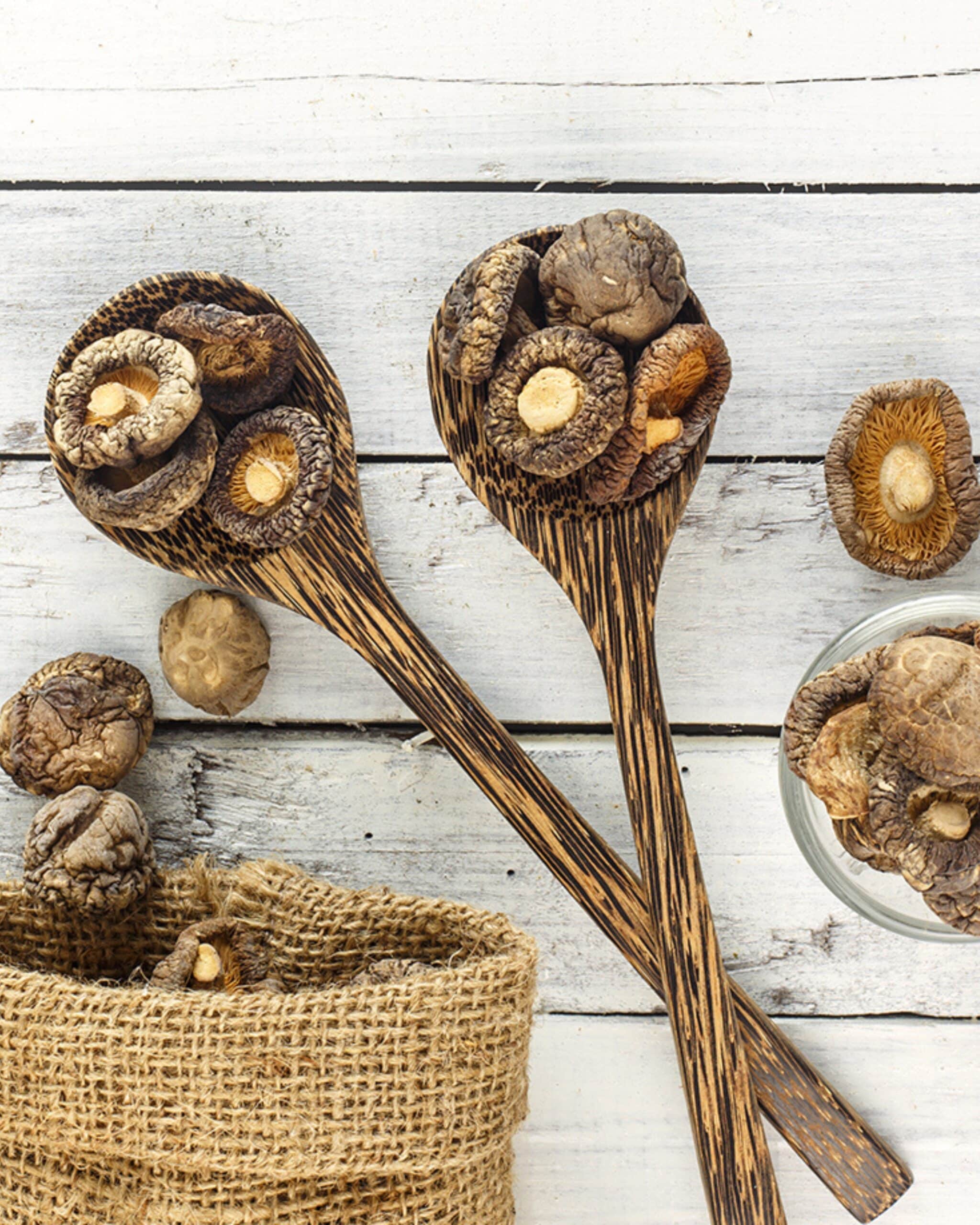
    Shiitake mushrooms are one of the few medicinal mushrooms that also happen to be delicious. In fact, they’re one of the five most popular mushrooms worldwide! But being tasty isn’t their only superpower. They’ve also been used for their health benefits for hundreds of years in Japan, China and Korea.

    Shiitake mushrooms contain lentinan, which has strong anti-inflammatory, antitumor, antiviral, antibacterial and antiparasitic properties. What does all that mean? Well, not only can lentinan help destroy cancer cells, it may also ward off various infections and viruses. An injectable form of shiitake mushrooms is used alongside chemotherapy in China and Japan for the treatment of gastric cancer. Shiitake mushrooms have also proven helpful at lowering bad cholesterol levels.

    How to take shiitake mushrooms:

    Since shiitake mushrooms are so tasty, you can enjoy them in stir-fries, miso soup, grain-based dishes, casseroles or even curries. Just 5 g of dried shiitakes (about 1 oz fresh or one large mushroom) can lower markers of inflammation in the blood after a single meal! Fun fact: You can purchase dried shiitakes and keep them in the pantry for several months, which makes them a convenient staple. Then, just rehydrate them before adding to cooked dishes!

    You can also take shiitake mushrooms as a supplement in pill form. Just be sure to look for organic varieties without added ingredients or gelatin. The only downside to shiitake mushrooms is that they’re rich in purines, meaning that folks who are prone to gout flare-ups may need to limit portion sizes or eat them less frequently.

    2. Reishi

    Scientific name: Ganoderma lucidum
    Superpower: Reduces stress and promotes balance

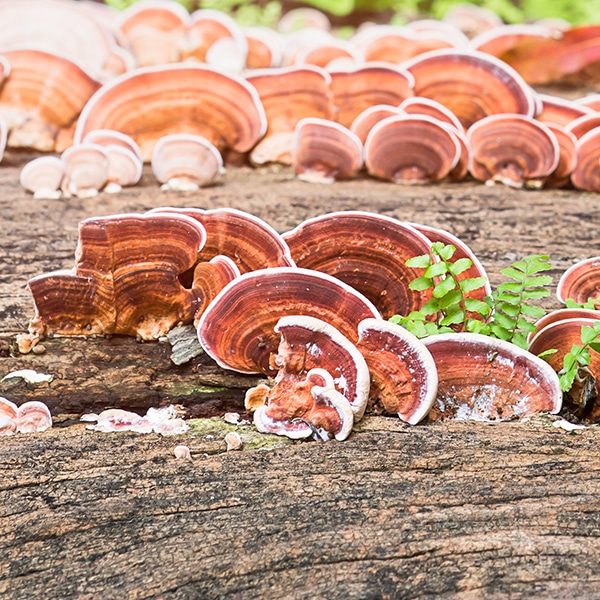
    Even though reishi mushrooms are technically edible, the indigestible fiber they’re composed of gives them an unpleasant, woody texture. So, you won’t see them in the produce aisle of the grocery store, but rather with the herbal supplements, tea and coffee. Reishi mushrooms can reduce stress and anxiety, make you more alert and energized, and help balance your hormones. Perhaps this is why reishi tea and coffee are often called “liquid yoga.”
    Reishi Mushrooms

    People suffering from seasonal allergies have also found great relief when supplementing with 1000 mg of reishi daily. And it doesn’t stop there—some folks have reported that reishi-infused skin creams can help reduce signs of aging.

    How to take reishi mushrooms:

    These medicinal mushrooms have no apparent side effects, so they’re great to try if you’re just dipping a toe in the shroomy waters. You can find them in many forms, including supplements, tinctures and powders. They’re also available as mildly flavored teas, coffees and hot cocoa mixes. My team has tried Four Sigmatic’s Hot Cacao with Reishi* (500 mg of reishi per serving!) and fallen in love with it. Whatever form you choose, beware of products made from inferior black reishi mushrooms as they are less potent. Look for red and purple varieties of reishi because they’re superior in quality and likely worth the added cost!

    If you want to go the capsule or supplement route, look for brands that are certified pure. Be sure to pay attention to the recommended dosage instructions as concentrations will vary. Your integrative doc will probably have brand recommendations and give you specific instructions.

    3. Chaga

    Scientific name: Inonotus obliquus
    Superpower: Knocks out the common cold

    Chaga mushrooms may look like nothing more than a clump of dirt until you see their orange interior, but rest assured that these babies pack a serious healing punch. They grow on birch trees in very cold climates and have one of the highest antioxidant contents of ANY food! That’s why they’re often used to ward off the common cold.

    A single 8-oz cup of chaga tea has the same number of antioxidants as 30 lbs of carrots. No, I’m not kidding! Also, the beta-glucans in these medicinal mushrooms stimulate the production of lymphocytes, which help regulate our immune system’s response to infections.

    Chaga mushrooms have also been used to treat cancers and reduce tumor size, resolve digestive issues, manage blood sugars, lower bad cholesterol levels, and make hair and skin shinier, healthier and younger-looking. Oh, and for yet another cool detail about these amazing medicinal mushrooms: They’ve been consumed in Russia for hundreds of years!

    How to take chaga mushrooms:

    Hot water or alcohol are needed to break down the tough cell walls in chaga mushrooms and activate their beneficial compounds. That’s why tea, coffee and cocoa are popular ways to consume chaga mushrooms. In fact, chaga mushroom coffee became especially popular as a coffee substitute during the world wars because of its pleasant taste and ability to increase energy in a more balanced way than caffeine.

    Supplements, tinctures and extracts of chaga are also available and are processed with hot water to activate the medicinal compounds. For defense against colds, some integrative docs recommend 1000-2000 mg of chaga extract when symptoms start to come on.

    Even though people have been taking chaga mushrooms safely for centuries, doctors recommend that people with bleeding disorders and diabetes avoid them as they can accentuate the effects of anticoagulant medications and insulin. Chaga overuse may also tax your kidneys, so be sure to follow recommended dosages and work with your doc.

    4. Lion’s Mane

    Scientific name: Hericium erinaceus
    Superpower: Improves focus and memory

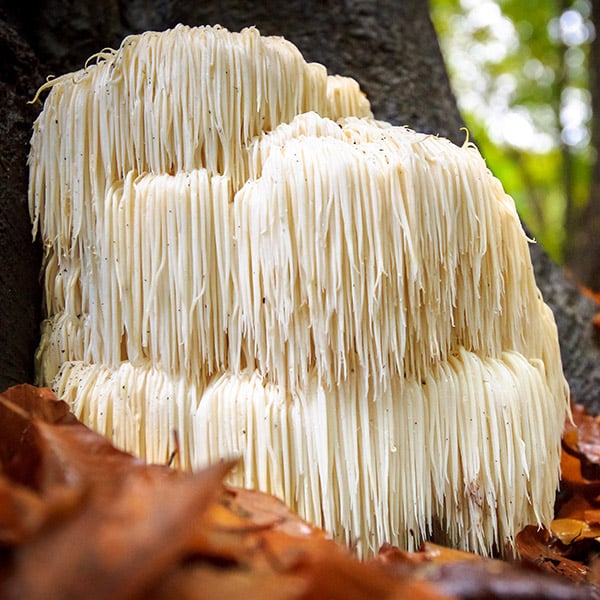
    The first time you see a lion’s mane mushroom, you’ll know exactly how it got its name. It looks like a white, hairy mane—not your typical fungus! This shroom’s big claim to fame is its ability to repair and regenerate neurons. Yup, it’s GREAT for your noggin! Lion’s mane can help improve memory and concentration, protect the nervous system, and relieve symptoms of depression and anxiety.
    Lions Mane Mushrooms

    Lion’s mane may even help prevent and reverse neurological diseases like Parkinson’s, Alzheimer’s and dementia because of its regenerative capability in the nerves of the brain and spinal cord! Research has shown that it can stimulate the synthesis of Nerve Growth Factor (NGF), which is why it may have such a positive effect on the neurological system. How cool is that?

    How to take lion’s mane:

    Lion’s mane is edible and has a seafoody taste, making it a great ingredient in stir-fries or faux crab cakes. It’s also available as an herbal supplement, tincture or tea. Four Sigmatic’s Mushroom Elixir Mix* may help you when brain fog sets in, and is delicious combined with cinnamon and hot oat milk (don’t worry—it’s not fishy in this form!).

    Keep in mind: Some folks feel more focused within days of taking lion’s mane. But when it comes to anxiety and depression, research has shown that it may take at least 4 weeks to feel relief.

    There aren’t any documented side effects or adverse reactions currently associated with lion’s mane. But, you know what I’m gonna say about checking with your doc… (Do I sound like a broken record?! ?)

    5. Cordyceps

    Scientific name: Ophiocordyceps sinensis and Ophiocordyceps militaris
    Superpower: Boosts energy

    Cordyceps have become famous for their supposed ability to improve athletic performance. I say “supposed” because we couldn’t find a study (yet!) that compares the performance of athletes taking cordyceps against those not taking them. But, we do know that cordyceps can boost ATP levels in the body. ATP is like a battery that powers your cells. When it comes to exercise and athletic performance, an abundance of ATP means increased strength, energy, capacity for explosive movement and overall stamina. I’d call that a competitive advantage!

    Cordyceps have also been used for centuries to treat sexual dysfunction and fertility. Recent clinical studies demonstrate cordyceps’ ability to improve libido, as well as increase sperm count, survival rate and quality. This is good news, because many conventional medicines used to improve sexual health come with high costs and uncomfortable side effects.

    Plus, like most medicinal mushrooms, cordyceps are rich in antioxidants, making them great for your immune system!

    How to take cordyceps:

    In the wild, cordyceps grow as a fungus out of the mummified carcasses of caterpillar larvae in high altitudes of the Himalayan mountains and in Tibet. This type (Ophiocordyceps sinensis) is rarely found in stores in the United States because it’s difficult and expensive to harvest. Most companies use artificially produced cordyceps (Ophiocordyceps militaris), which is grown out of grains, most often rice. They’re just as potent and cheaper to produce.

    Cordyceps are available in tinctures, powders, capsules and liquid extracts. My team tried Four Sigmatic’s Cordyceps Mushroom Elixir Mix,* which has 1500 mg of cordyceps per serving. It would make a great addition to your morning smoothie!

    I encourage you to check with your doc before taking cordyceps. Like chaga, they may interact with anticoagulant medications and can lower blood sugar too severely in people on diabetic medications. They also shouldn’t be taken by people with autoimmune diseases.

    6. Turkey Tail

    Scientific name: Coriolus versicolor or Trametes versicolor
    Superpower: Protects cancer patients

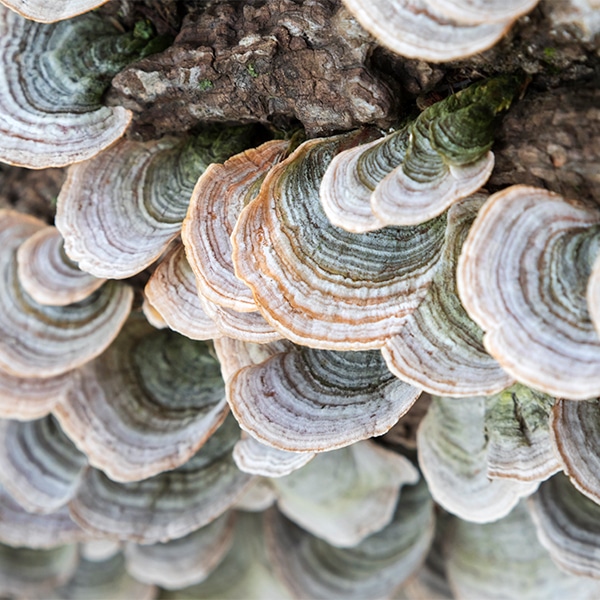
    Turkey tail is a beautiful fungus that grows on dead logs and gets its name from its colorful, striped appearance. Like many of the medicinal mushrooms we’ve discussed, it’s a powerful immune-booster that can help protect you from infections and diseases. Turkey tail also has incredible benefits for cancer patients and thrivers, which is why this shroom holds a special place in my heart.
    Turkey Tail Mushrooms

    It’s been shown to help prevent cancer cell growth and encourage cancer cell death, but its real claim to fame has to do with the way it boosts the damaged immune system after cancer treatments. Turkey tail contains two unique beta-glucans: Polysaccharide-K (PSK) and Polysaccharopeptide (PSP). Both PSK and PSP are widely used in Japan to help repair and regenerate immune cells destroyed by chemotherapy while simultaneously stimulating the immune system in general to fight cancer and further infections. Wow, right?

    How to take turkey tail mushrooms:

    Turkey tail is edible, but rarely eaten because of how chewy it is. Most people who take turkey tail take it in capsule or tea form. Because turkey tail is grown in soil, it’s best to look for organic varieties to prevent pesticide and toxin exposure.

    Mild side effects of diarrhea and dark stools have been reported, so follow your doctor’s recommendations when it comes to turkey tail and discontinue use if any side effects occur.

    *A note on brands and ways to take medicinal mushrooms: My team tested some drink mixes from Four Sigmatic (not sponsored or gifted), but they’re by no means the only game in town! For example, one of my favorite supplement brands, Solaray, has a Reishi Mushroom supplement (600 mg per capsule). Pure Encapsulations (another favorite of mine) has a Mushroom Formula that contains maitake, reishi and shiitake! Also, my friend Jenny Sansouci has done a lot of research on this subject and provides some other product recommendations in her article here. There are plenty of options out there, so find the one that works for you.

    Medicinal Mushrooms: The Bottom Line

    Taking mushrooms as supplements may sound unfamiliar to you, but people all over the world have been using them for hundreds of years. Their proven ability to help protect us from infections, boost our immune systems, energize us, support our neurological health and more is nothing short of amazing. That’s nature’s magic at work, folks!

    I’m excited about the many possibilities medicinal mushrooms have in store for us. Natural remedies like these, when paired with the right conventional methods and a healthy lifestyle, have so much healing potential—and that fills me with hope. I’ll be keeping an eye out for more studies and info, not to mention doing my own testing! And of course, I’ll keep you informed every step of the way.

    Your turn: Have you tried medicinal mushrooms? If so, I’d love to hear about your experience in the comments below. If not, will you give them a shot?

    Peace and marvelous mushrooms,

  • Butternut Squash and Chard Vegan Lasagna

    Butternut Squash and Chard Vegan Lasagna

    Hiya Gorgeous!

    Ohhhhh baby, do I love fall. There’s just something about this time of year—ya know? I want to snuggle up under a fleece blanket with a cup of tea and a book or some Netflix. Cozy is the name of the game and I’m lovin’ every second of it.

    What about you—do you love fall, too? Tell me your favorite season in the comments below!

    In addition to fuzzy slippers and chunky knit sweaters, I’m dialing up the cozy factor on what I eat, too. I’m craving healthy, warming meals like oatmeal, lentil soup and, of course, this delicious vegan lasagna!

    The perfect vegan lasagna for your fall table

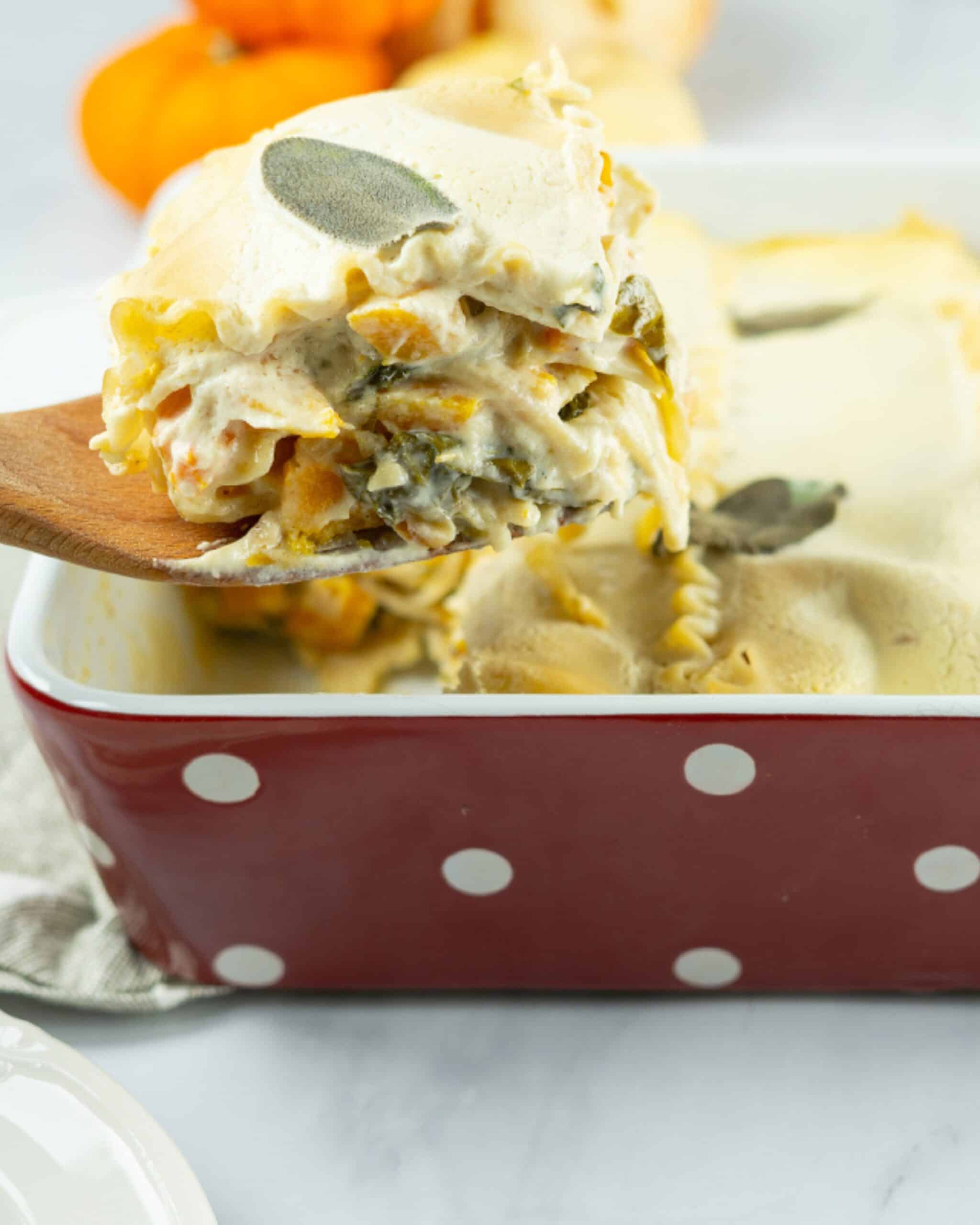
    This spin on a traditional favorite is not only super festive, it also leaves out many of the unhealthy ingredients often found in lasagna. The decadent béchamel is made of parsnips instead of the standard butter, milk and flour combo. Parsnips are one of the few veggies rich in soluble fiber—the fiber responsible for smooth digestion and lower cholesterol levels. How cool is that?

    And it doesn’t stop there when it comes to all of the plant-powered nutrition packed into this vegan lasagna. Butternut squash and Swiss chard add a hearty dose of immune-boosting nutrients to keep you healthy all season long. Plus, the cashews are a good source of protein and healthy fats. The nutritional yeast adds a wonderful cheesy flavor (hold the cheese!) and a dose of B12 for your brain. And did I mention it’s gluten-free? That too!

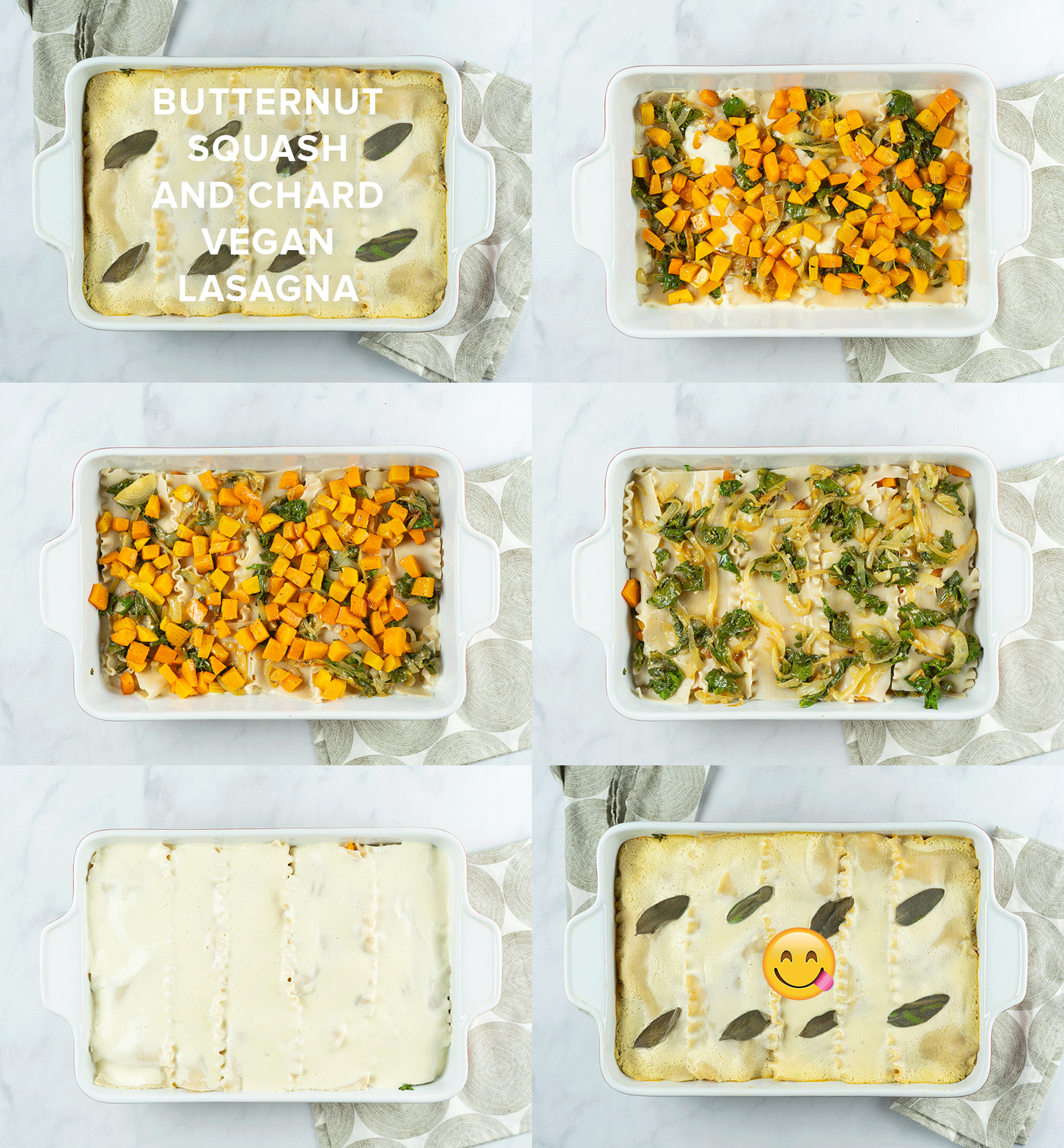
    Butternut Squash and Chard Vegan Lasagna

    This is the ultimate treat yourself meal.

    Whether you’re gettin’ fancy for a holiday meal with your crew, or you just want to slow down and enjoy yourself in the kitchen, allow a little extra time for this one. Don’t get me wrong, I love a quick, healthy meal. But sometimes it’s nice to throw on an apron and play! And that first bite makes it alllllllll worth it.

    Put your phone on Do Not Disturb and turn on a podcast or your favorite playlist, then take in all of the delicious smells and savor the process. This is self-love, sweetheart. You deserve it.

    Ready to get cookin?

    Let’s hop on the train to drool city! This vegan lasagna has everything a fall meal should have. A dreamy creamy sauce, sweet butternut squash and superstar leafy greens are all wrapped up into one super tasty package.


    Butternut Squash and Chard Vegan Lasagna

    Serves 8 | Cook Time: 1 hour 45 minutes | Prep Time: 1 hour

    Ingredients

    Parsnip Béchamel Ingredients:

    • 2 large parsnips, peeled and cut into 1” pieces (about 3 cups)*
    • 3/4 cup cashews, soaked and drained
    • 3 1/2 cups water
    • 2 1/2 Tbsp fresh lemon juice
    • 3 Tbsp nutritional yeast
    • 2 tsp salt
    • 1 tsp garlic powder
    • 1/2 tsp ground nutmeg

    Lasagna Ingredients:

    • 1 medium butternut squash, peeled, de-seeded and cut into 3/4 – 1″ pieces (about 6 cups)**
    • 1/4 cup extra virgin olive oil, divided
    • 14 sage leaves, divided
    • 1 Tbsp minced fresh rosemary
    • 1/2 tsp salt
    • 1/4 tsp ground nutmeg
    • 1 1/2 large onions, sliced 1/4” thick
    • 3 cloves garlic, minced
    • 1 large bunch Swiss chard, stems removed and leaves chopped (about 10-11 cups)***
    • 1/4 cup water
    • 1 Tbsp apple cider vinegar
    • 16 gluten-free or whole wheat lasagna noodles

    Directions

    1. Preheat oven to 400 degrees Fahrenheit. Line a rimmed baking sheet with parchment paper or a nonstick baking mat.

    2. Boil noodles according to the directions on the package. Set aside.

    3. In a large bowl, toss butternut squash cubes with 2 Tbsp olive oil, 6 sage leaves, rosemary, salt and nutmeg. Spread evenly over the surface of baking sheet. Bake at 400 degrees Fahrenheit for 22 minutes, flipping midway, or until fork tender and slightly golden. Let cool slightly and discard/compost sage leaves. Lower oven temperature to 375 degrees for baking lasagna later.

    4. While squash is baking, bring a medium sized pot filled with water to boil. Add parsnip pieces to boiling water and let cook for 14-15 minutes, or until fork tender.* Drain thoroughly and set aside.

    5. In a large pan, add remaining 2 Tbsp extra virgin olive oil over medium heat. Add sliced onion and let cook, stirring every 5 minutes or so, until onions are golden brown and caramelized, about 25 minutes. Add garlic, chopped chard, water, and apple cider vinegar and let cook another 5 minutes, or until chard has completely wilted. Season to taste with salt and set aside to cool slightly.

    6. To make parsnip béchamel, add cashews and water to a high speed blender and blend on high until completely smooth, about 1-2 minutes. Add cooked parsnip, lemon juice, nutritional yeast, salt, garlic powder, and nutmeg and blend again until completely smooth, about 1-2 more minutes. Season to taste with additional salt, if needed.

    7. To assemble lasagna, spread 1 1/4 cup of parsnip béchamel evenly over the bottom of an ovenproof lasagna dish. Arrange 4 lasagna noodles evenly on top (it’s fine if they overlap slightly). Top evenly with 1/3 of Swiss chard and onion mixture, 1/3 of cooked butternut squash, and 1/2 cup béchamel.

    8. Repeat for 2 more layers. Top with a layer of 4 more lasagna noodles and the remainder of the béchamel to cover. Place 8 sage leaves evenly over the surface of the lasagna (2 rows of 4 leaves). Cover loosely with foil and bake in preheated 375 degree oven for 40 minutes. Remove foil and bake, uncovered, for 5 more minutes. Remove from oven and let sit for 10 minutes before cutting. Serve immediately.

    Notes:
    *You can sub cauliflower for parsnips if you prefer or can’t find parsnips at the store! Use a 1/2 a head of cauliflower, chopped into florets (a little over 3 cups). Boil the florets for 6 minutes and drain before adding to them to the blender to make the béchamel.

    **Short on time? Save yourself a step by picking up some pre-cut butternut squash. I often see it available at the grocery store, especially this time of year. Just make sure to recycle the packaging!

    ***You can use any variety of Swiss chard (rainbow, red, etc.) or dark leafy green in this recipe!

    And finally, a very special thanks to our talented Chef Lauren and the rest of the Test Kitchen Tuesday crew for helping to create this spectacular dish!

    Your turn: Don’t forget to share your favorite season with me below! Comment ? for fall, ☃️ for winter, ? for spring or ☀️ for summer.

    Peace and fall festivities,

  • How to Move On (Apology or Not)

    How to Move On (Apology or Not)

    Hiya Gorgeous!

    Today I wanna chat with you about something that’s been on my mind. With the winter holidays in our sights and the end of the year fast approaching, this feels like the perfect time for a good old heart-to-heart. So, whaddya say—ready to open up and get a little deep? I think I see you nodding your head over there…

    I want to talk about forgiveness—and where it really comes from.

    There’s so much to say on this subject, and I’ve explored it on the blog before, but today I want to look at it from a different angle. I want talk about how to move on, whether or not we get the apology or resolution we’re looking for.

    We often sit and wait for apologies. We tell ourselves we’ll move on when we get answers or as soon as things fall into place. But we don’t always hear “I’m sorry,” and those unresolved situations don’t always tie themselves up into neat little packages.

    When we’re faced with that reality, many of us aren’t sure how to move on. So, we might hold on to those feelings and let them weigh us down. And that sort of thing can really block our joy and mess with our trust (in people and the universe!).

    Getting burned or bruised sucks. There’s no doubt about it. And you’ve gotta give yourself a chance to process the anger, sadness, disappointment and whatever else you might be feeling. Or, as Rev. Iyanla Vanzant put it:

    “You need to go ahead and give yourself permission to be angry. Stuffing it down creates a cocktail for disaster.”

    Ain’t that the truth!

    How to Move On, No Matter What

    But, here’s what I want you to know: You don’t have to carry those crappy, unsettled feelings around with you. And you shouldn’t! You’ve got plenty of other things goin’ on in your world. Why not lighten your load?

    You can learn how to move on and heal painful wounds—and you don’t need anyone or anything else to make it happen. Because guess what?

    Forgiveness starts and ends with wonderful y-o-u.

    I know that the idea of moving on without an apology or resolution might have you raising an eyebrow. And I won’t sugarcoat it—this stuff takes some real work on the soul level. But I also know how strong you are, so I don’t doubt for a second that moving on—and the relief that comes with it—is possible.

    That’s why I made this little video love note for ya. Because even though the next step is up to you, you’re not alone. I’ve got your back—think of me as your forgiveness cheerleader! And I bet that there are lots of other people in your life who would be happy to lend their support as you figure out how to move on. Sometimes all you have to do is ask.

    Press play below to hear a personal story of forgiveness from my life. I also share how holding on to the past can affect you on the cellular level, so don’t miss it!


    Remember, forgiveness does take time. Healing is a process. Practice compassion for yourself and whatever or whoever you’re trying to release—the rest will come.

    And here’s the best part: You might be surprised what you have room for when you let go of thoughts that don’t serve you. Making that kind of energetic space for new things is powerful and incredibly brave. I’m so proud of you!

    Your turn: Is there someone in your life you want to forgive? How could forgiving them help you make space for more positive energy? And if you have any tips for forgiving, please share.

    Peace & making space,

  • The #1 Catalyst for Disease and What to Do About It

    The #1 Catalyst for Disease and What to Do About It

    Hiya Gorgeous!

    The first-ever Healing Cancer World Summit was a beautiful, healing, heart-expanding whirlwind. I loved chatting with many of you on social media, and in the comments here and over on the summit site. Your curiosity and commitment to your health never cease to amaze me! Using the results from this event, I compiled a modern-day guide for navigating cancer that you can find here.

    This experience reminded me that together, we can fill up the universe with hope and love—for cancer patients, for people struggling and for ourselves. Hope is what we really need, and we have the power to choose it over fear. Isn’t that comforting?

    I’ve long dreamed about creating something like this for you. I was so focused on making it the most valuable, uplifting event about cancer you’ve ever attended that I regularly got caught up on my role as interviewer and producer. I often had to pause and remind myself that I’m a patient who needs this information, too. And once I did that, I learned so much.

    I could go on and on about my many takeaways, but one in particular stands out from the rest. It caused me to take a long, hard look at my healing priorities. And the new commitment I’ve made as a result has become my current health focus. I’m sharing it with you today because I hope you’ll make this commitment, too!

    I’m promising to do everything I can to drastically reduce stress in my life.

    You’re my witness! I’ve known for a long time that stress leads to inflammation and inflammation leads to disease. But because I’m so stubborn, and don’t always apply what I teach to my own practice, I needed the reminder.

    I get caught up in work and life and future tripping just like anyone else. And when I forget to do what I need to reduce stress, it really takes a toll on me. It impacts my sleep, I don’t exercise as much, my diet isn’t as great and I forget to prioritize what really matters (nature, my friends, family and sanity). The result: My joy shrinks and my immune system tanks. When I’m in that place, it feels like I’m standing at the foot of an unscalable mountain and I might never get to the other side (I bet you’ve been there at some point, too).

    Not convinced yet that stress is serious business? Almost every single one of the 20 experts I spoke with for the Summit—doctors, wellness experts, nutritionists, spiritual teachers and patients alike—echoed this truth in some form. These quotes in particular were huge a-ha moments for me, and I think they’re gonna resonate with you, too.

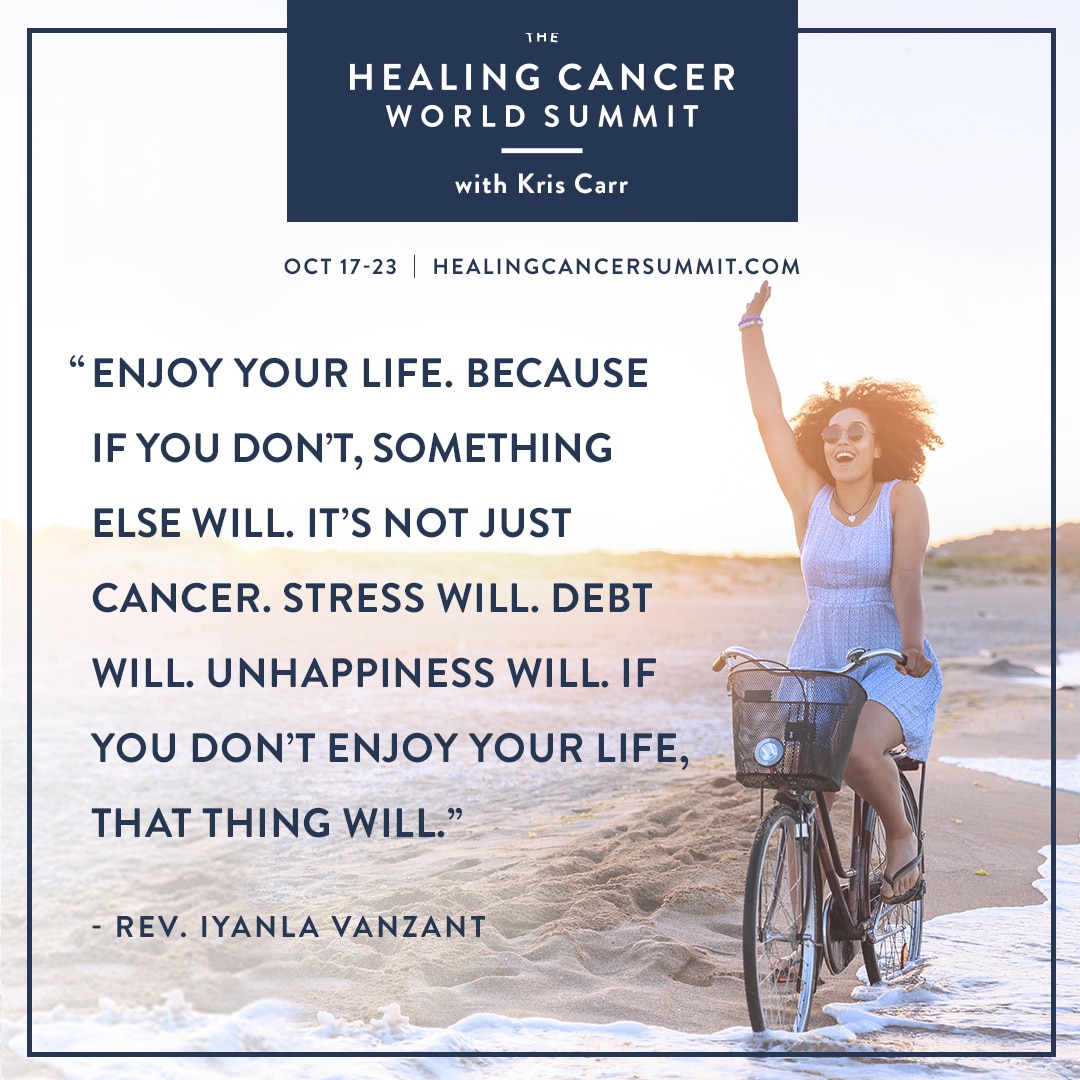
    Iyanla Vanzant quote

    The moment Iyanla dropped this powerful nugget of wisdom, I knew it would be with me forever.

    If we spend our precious time stressing, we can’t possibly be truly living. So, take a moment and check in with yourself. Is stress eating up your life? How often do you experience that unmistakable feeling of cortisol flooding your system—the blood pressure rising, the knot in your gut?

    Now, to be clear, I don’t want you to stress about stress. It’s completely normal and sometimes you just gotta let those feelings flow. But taking simple steps to reduce stress, even in ways that may seem small or insignificant, can lead to big shifts. Because remember, you are a wonderful being with so much magic to share with the world and stress does nothing but dim your shine.

    Not sure where to start?

    Here are 4 Simple Ways to Reduce Stress:

    1. Meditate

    I know you’ve heard this one from me before, but even 5 minutes a day can make a difference in your life. Iyanla’s Summit lesson (and several other sessions, for that matter!) includes an amazing meditation that you can use again and again.

    2. Tap

    Nick Ortner, my good friend and CEO of the Tapping Solution, was another one of my fabulous Summit guests. EFT (Emotional Freedom Techniques or “tapping”) is a quick, simple way to get grounded and turn down the volume on your stress. Nick even walks you through a couple of quick tapping exercises in his lesson!

    3. Use essential oils

    This is my go-to way to reduce stress in a pinch. Lavender may not address the root of an issue, but it does wonders for restoring balance and clearing my mind when I need to reset.

    4. Spend time in nature

    My daily walks are a tried and true stress reducer. They range from anywhere between 10 minutes to an hour. The length of time doesn’t matter, the consistency does. When I don’t take time in nature to clear my head and center my thoughts, I’m less stress resilient.

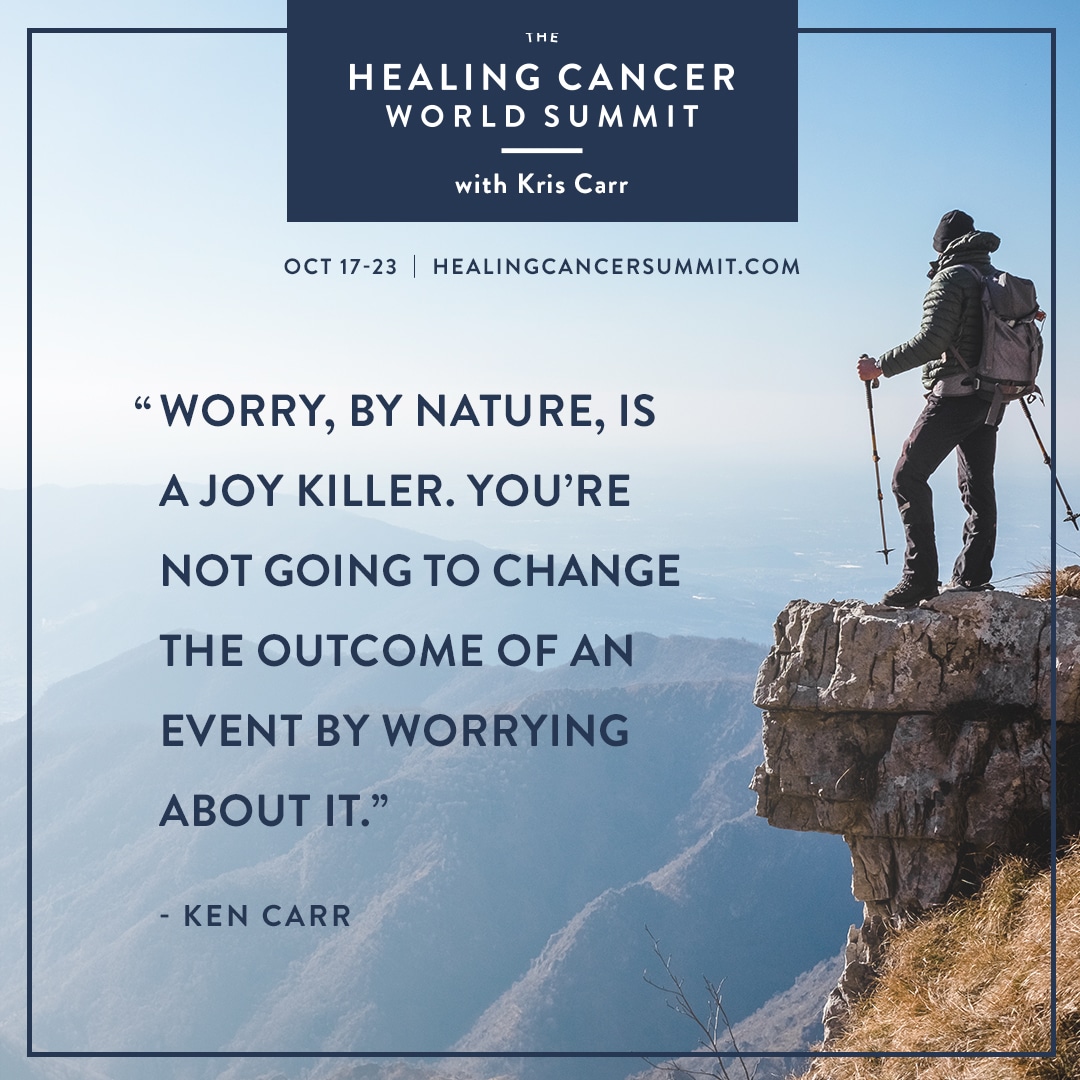
    Ken Carr quoteI love this quote from my wise dad.

    Many of us spend a lot of time anticipating tomorrow, next week, next month, next year. But the truth is that no matter how much sleep we lose, it’s not going to change the outcome. All we do by creating these stories is distract ourselves from living in the present moment.

    That doesn’t mean that we don’t have agency over our futures—we absolutely do! But positivity and love are far more powerful than stress. So, from now on, every time I catch myself worrying about what’s next, I’m going to do my best to replace those thoughts with positive affirmations. Will you join me?

    Try saying one of these affirmations (or one of your own!) out loud next time you need to reduce stress:

    • “I will be ok, no matter what.”
    • “Everything is unfolding exactly as it needs to.”
    • “I have the love and support I need to get through this.”

    There was a lot of talk about how important it is to reduce stress throughout the Summit, but a few guests really drove home how much damage it can do to our systems if we don’t. One of those brilliant individuals was Penny Block, PhD, co-founder of the Block Center for Integrative Cancer Treatment and expert in biobehavioral health. That means she’s super knowledgeable about how our thoughts impact our health, and she could not have been more clear about chronic stress—it wreaks havoc on our systems.

    Stress can influence everything from the way our genes behave to the success of our healing efforts.

    The simple truth is that no matter how much kale you eat, how many vitamins you take and hours you spend exercising, you can’t be truly healthy if you’re constantly in fight or flight mode. That’s why I’m hoping you’ll join me in thinking of stress reduction as an essential part of your healing or prevention plan—right up there with green juice and surrounding yourself with super smart docs like Penny.

    And there’s one final quote I want to leave you with. This one isn’t from the Summit interviews themselves, but from our very own Summit angel—Louise Hay. She was by my side through all of the planning, strategizing, interviewing, filming and writing. During my interview with Robert Holden, PhD, a Hay House author Louise adored, his lights started flickering. You can hear it happen in our interview from Day 6. It was an unforgettable moment and we both got crazy goosebumps. No doubt, Louise was with us then and still is today.

    Louise always encouraged me to take my healing further, and I hope this gem does the same for you:

    “I realize that stress is only fear. I now release all fears.”

    Isn’t it wild how something so simple can turn your perspective on its head?

    Next time you’re in the stress weeds and feel like you can’t find your way out, I hope you’ll remember this. Yes—stress is scary. It can be quite sneaky and convincing. But you don’t have to believe those thoughts. You can release them and ask the universe for something else—for love, for strength and for whatever you need to protect your precious self.

    Your turn: Can we make a pact? I’m committing to do everything I can to reduce stress in my life—will you join me? Give me “I’m with you!” in the comments below.

    Peace and sweet relief,

  • What to Eat (and Avoid) if You Have Cancer

    What to Eat (and Avoid) if You Have Cancer

    Hiya Gorgeous!

    One of my favorite places can be found right outside of Chicago and worlds away from the scary, sterile hospitals that many of us have become all too familiar with. It’s warm, inviting, and filled with energy. I truly believe that it’s one of the most unique, special, and important places in all of cancer care.

    I’m talking about the Block Center for Integrative Cancer Treatment and saying that I was surprised the first time I visited this magical, healing haven would be a serious understatement.

    I was inspired not only by the environment—complete with a beautiful kitchen, exercise equipment, and spaces to connect and meditate—but also by the positive, patient-centric approach to cancer treatment, management, and prevention.

    Liz Gold

    That’s why I’m so excited to bring you this interview with Lizabeth Gold MS, RDN (Registered Dietitian Nutritionist).

    Liz is one of three incredible Block Center care team members I interviewed for the Healing Cancer World Summit (I also spoke with co-founders Keith I. Block, MD, and Penny Block, Ph.D.). She works closely with patients to incorporate nutrition into their healing journeys, and we have so much to learn from her extensive knowledge and experience.

    Learn More About Liz and The Block Center

    The Block Center is an integrative cancer treatment center that provides conventional treatments such as chemotherapy but also understands the impact that nutrition and other lifestyle habits can have on the biochemistry of the body.

    They use nutrition to not only make chemotherapy less toxic but also to alter the body’s biochemistry making it less hospitable to cancer. This is done by providing specific nutrition instructions for a whole-food, plant-based eating plan customized to fit each patient’s individual needs. They also provide all follow-up nutrition support as they move through chemotherapy and into remission.

    The Block Center is constantly assessing new information regarding various supplements, natural remedies, and new cancer treatments and their side effects, such as immunotherapy.

    Liz works extensively with their research team to parse out the large amounts of misinformation found on the internet. Many patients come in with misconceptions regarding various diet trends and/or cancer “cures,” so she has to understand the issues to address their concerns.

    Why a Healthy Diet is Important for Cancer Treatment

    Liz notes that the single biggest challenge for people who are sick or in treatment is loss of appetite. When you think about it, food is such a huge part of life and, for most people, it is associated with feelings of pleasure and good times. So when patients don’t feel hungry, it is not just a physical problem, it’s a mental problem. Patients have to do this whole shift from “I can’t wait to eat dinner” to “I know I should eat dinner.”

    This is tough not just for the patient, but also for the family members caring for that person. As the patient begins to eat less, the family members tend to want to force him/her to eat. This causes a lot of guilt on the side of the family member and also on the patient. This is where Liz digs in to help find out what sounds good to the patient (because everyone is very different).

    Depending on the type of cancer you’re being treated for, what you eat can have a large impact on common side effects. Eating the right food can increase your energy, boost immune function, and reduce inflammation. They can also help keep you at a healthy weight while undergoing cancer treatment. The health benefits of eating a plant-based diet while you treat cancer are incomparable.

    The Mental Challenge Cancer Patients Face

    When people are sick, they tend to fall back into habits of comfort foods like macaroni and cheese, hot dogs, mashed potatoes, and other sugar-laden junk. A large part of Liz’s job is providing the resources they need to make healthier versions of those comfort foods or to adapt recipes to their current preferences.

    Patients often quickly lose interest in smoothies and shakes, but freezing them into little smoothie pops is effective for someone craving cold foods and can be very soothing for mouth sores.

    If a patient is doing better with hot foods, we have dozens of hearty soup recipes we can suggest. We also provide cooking classes at the Block Center where we might take classic comfort food or junk food and make a healthy version such as crispy eggplant pizza, tempeh gyros, or BBQ jackfruit sliders. I think it is really useful for patients and their loved ones to see how easy it is to make healthy foods that are delicious.

    Foods Cancer Patients Should Avoid

    While Liz has shared why and how they create healthy meals for patients at the Block Center, let’s chat about the certain foods you should avoid if you’re being treated for cancer.

    Spicy Foods + Acidic Foods

    Many people undergoing cancer treatment struggle with mouth sores and/or difficulty swallowing and sore throats. To ease discomfort, stick to soft foods when possible and avoid spicy and acidic foods that will further irritate your digestive tract.

    Ditch the Dairy Products

    You need to avoid unpasteurized milk, undercooked eggs, and cheese (Brie, feta, queso fresco/blanco, etc) to lower your risk of contracting foodborne illnesses. Another reason to avoid dairy is because it can be highly inflammatory.

    Raw or Undercooked Meat

    The American Cancer Society Guideline for Diet and Physical Activity recommends cutting back—and we would recommend eliminating—processed meats and red meat. This also means cutting out raw fish or raw meat (like you’d have in sushi).

    Why does it matter? Diets high in red meats have been found to increase cancer risk of colorectal cancer.

    Meat is also inflammatory, and Liz states you should instead try to focus on plant-based proteins (and there are plenty of high protein foods that are vegetables).

    Cut Out Processed Foods

    Some other foods to avoid would be anything that is processed that include:

    • Chips
    • Baked goods
    • Deli meats
    • Fried foods
    • Artificial ingredients

    You should also avoid alcohol and energy drinks because they contain zero nutritional value. Whole foods are always best, but if you have to buy something in a bag or box, now would be a good time to start paying attention to labels and looking out for hydrogenated fats, refined sugars, and artificial additives. They have little nutritional value and cause spikes in blood sugar.

    Limit Your Use of Sugar

    Speaking of sugar, although it’s vegan-friendly, excess sugar can harm your health and cause unnecessary weight gain. Limit food and drinks that are high in sugar, including honey, molasses, brown sugar, etc.

    Foods Cancer Patients Should Eat

    Now that we’ve covered what you should avoid, what should you eat more of to support your health?

    Incorporate More Vegetables into Your Diet

    Liz emphasizes that the most important thing you can do is eat more vegetables. Every meal should consist of mostly vegetables with a serving of some whole grains and a bit of fruit.

    Eat More Healthy Carbs

    Make sure your diet contains healthy carbs such as whole grain brown rice, nuts and seeds, bran, and oats. Opt for foods with soluble fiber (which help keep the poop train on schedule!). Eating high-fiber foods can help you combat constipation if you’re dealing with that pesky side effect.

    Add in Healthy Fats

    Choose foods that are high in omega-3 fatty acids (which help combat inflammation) whenever possible. Omega-3 fatty acids can be found in avocados, walnuts, olive oil, and grapeseed oil.

    Focus on Plant-Based Protein

    There are plenty of options to get plant-based protein in your diet like beans, peas, whole soy foods like tempeh or edamame, and lentils.

    Prevent Dehydration

    Make sure you drink plenty of water throughout the day to avoid dehydration. Clear liquids like vegetable broth, sports drinks, fruit juice, and water are best.

    Embrace Dairy Alternatives

    I also suggest switching to dairy alternatives like oat, almond, or cashew-based products. There are plenty of cheese alternatives that are healthier for you, too, like nutritional yeast.

    Supplements to Take While Undergoing Cancer Treatment

    Liz notes that nutritional supplements can provide an additional boost in immunity, help fight inflammation, and even help balance blood sugar. But some supplements should be avoided, especially if they interfere with medications or if they are known to cause problems with the liver or kidney.

    Health care professionals are usually open to having a conversation about supplements and can help you get the proper testing to determine which supplements you should and shouldn’t include in your routine.

    Curcumin and vitamin D are two things that are good for everyone. Curcumin is known for its antioxidant, anti-inflammatory, and anti-cancer properties. Many people know that vitamin D is necessary for bone health, but what a lot of people don’t know is that almost every cell in our body has a vitamin D receptor—and many people aren’t getting enough. Deficiencies in vitamin D have been implicated in a multitude of diseases from diabetes to multiple sclerosis.

    Keep in mind: Because vitamin D is fat-soluble, you can also take too much. Testing is the best way to be sure about the vitamin levels in your body. At the Block Center, they do a full terrain panel that assesses antioxidant levels, immune system functioning, glycemic functioning and inflammation. Again, working with your health care team is the best way to determine the supplement regimen that’s right for you.

    Avoid Excess Body Weight

    A combination of a whole-food, plant-based diet along with a customized supplement plan and lifestyle changes (such as daily moderate-intensity physical activity) will help build immunity and reduce inflammation.

    But did you know that excess body weight can be associated with a higher risk of breast cancer? Cancer research has found that women who are severely overweight have a higher risk of breast cancer returning. Oddly, research hasn’t yet shown that losing weight can lead to cancer prevention (but healthy weight loss is associated with overall health).

    Tips to Support Loved Ones Being Treated for Cancer

    If your loved one is dealing with nausea, encourage them to eat small meals and bland foods. Let your loved one know that it is OK if they only take a few bites. Certain smells can interfere significantly with appetite, so try to prepare food when the person is not home or have them eat in a room away from where it was cooked. If possible, taking a quick walk around the block outside in the fresh air can stimulate appetite as well as provide a good break from the cooking smells.

    You can drink ginger tea or a ginger smoothie (frozen peaches with fresh ginger blended with almond milk) to ease nausea and improve digestion. Metal utensils can cause strange tastes, so swapping them out for reusable plastic utensils can help. Having music playing during mealtimes and putting flowers on the table may seem like small things, but they can make a big difference.

    Different surroundings and groups of people make mealtime a little more festive and can help boost appetite as well. Take advantage of those “good” times of day when appetite is at its best and encourage loved ones to eat a little more during those times.

    You also want to make sure you’re following proper food safety procedures:

    • Wash your hands frequently
    • Wash all fruits and vegetables thoroughly
    • Don’t eat leftover foods that haven’t been stored properly
    • Do not eat raw or undercooked meat

    Foodborne illnesses can be especially dangerous for those with compromised immune systems, which is why following these procedures are so important.

    Recipe Ideas for Patients and Caregivers

    Nutrient-Dense Smoothies

    Here’s a basic template for a nutrient-dense smoothie:

    • Healthy fats like MCT oil, unsweetened almond butter, or avocado
    • Dark leafy greens
    • Healthy proteins like a good pea protein powder and some soy* milk or cashew milk
    • A handful of berries (Other raw fruits or frozen fruit work well too)
    • 1/2 banana on the green side (good prebiotic)

    *Soy WHAT? If you’re not so sure about soy,check out this article.

    It is also OK to open up supplements and add them to the smoothie, especially if they’re difficult to take. Multivitamins, vitamin D, curcumin, and vitamin C are good choices for added nutrients and support for healing and detoxification.

    Savory Soups

    As I said earlier, vegetable and pureed soups are excellent options. The easiest thing to do is start with a ratio of 2:1:1 of onions, celery, and carrots (known as mirepoix). Chop and saute those ingredients for a bit, then add garlic and any other spices you like. Cook for a bit, then add vegetable broth. From there, you can add anything from beans to kale to red potatoes to parsley to cilantro.

    I make most of my soups up as I go along and they turn out just fine. I buy a few good spices, like garam masala or curry powder, and decide on the fly depending on my mood (or the mood of my patients if I am making it for them).

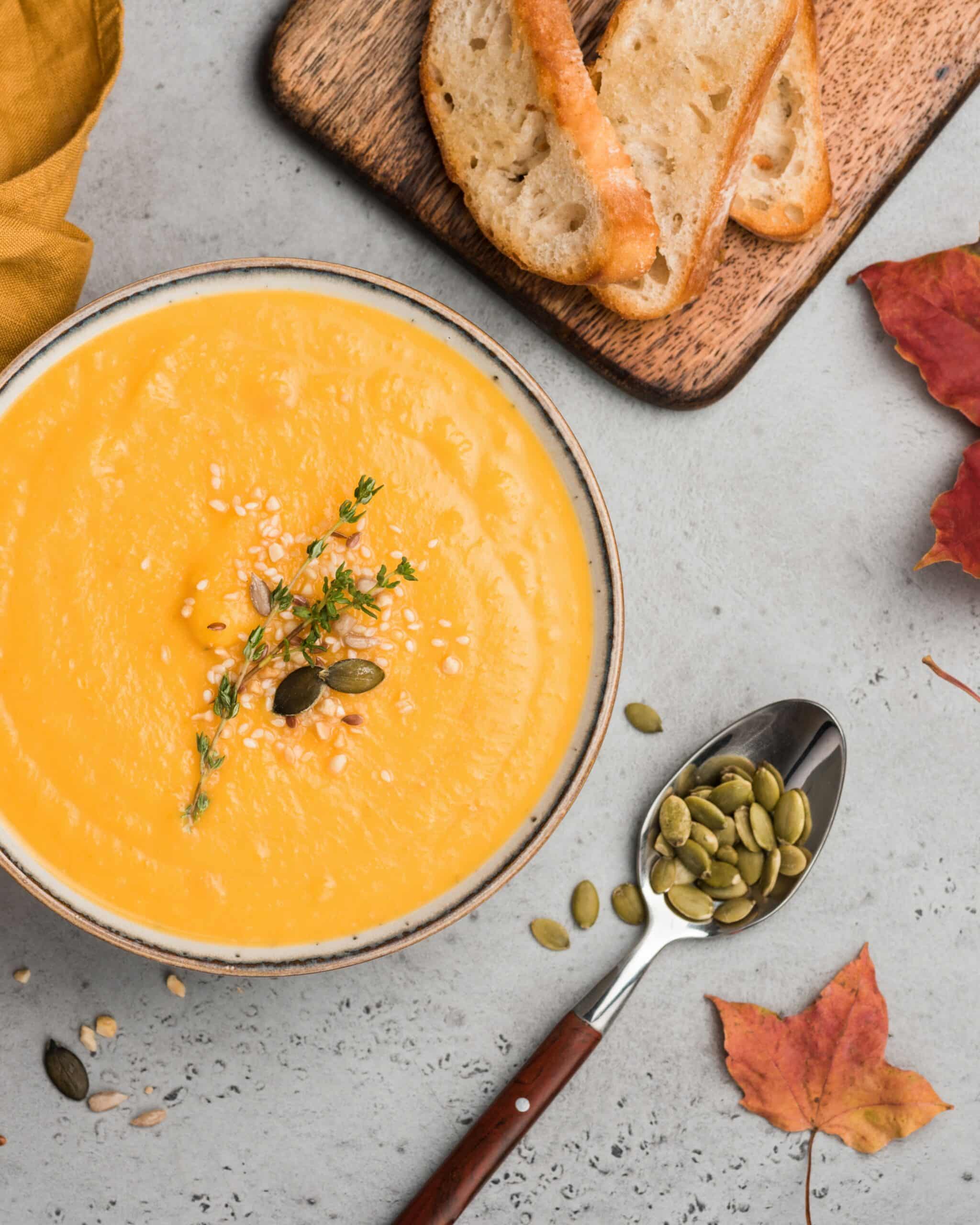
    Butternut squash is about the easiest thing to make and it is so comforting. Just take that same mirepoix and saute it along with cubed butternut squash (you can buy this at Trader Joe’s conveniently cut up for you!). After about 5 minutes, pour in some vegetable broth and cook covered until the butternut squash is soft. Let it cool, then blend it with a little bit of nutmeg, almond milk, and cinnamon and you’re good to go. Yum!

    Kick Cancer’s Butt

    Liz emphasizes that the power of healing is often dependent on three things: It is partly in the heart, partly in the mind, and partly in the body—and you really need to go after it on all three fronts. It is so important to have hope in your heart and courage and strength in your mind. And you have to be good to your body by giving it what it needs to be able to fight its biggest battle.

    Liz is one of the most helpful, holistically-minded people I’ve ever had the pleasure of working with. I just love how her philosophy focuses on strengthening the immune system with small, manageable shifts in our diet and lifestyle choices. Liz truly exemplifies what it means to empower patients through an uplifting, non-judgmental approach.

    Are you or a loved one living with cancer? I collaborated with experts I’ve met through my experience with cancer, and compiled a modern-day guide for navigating cancer with courage, clarity, and confidence. Whether you’re a cancer patient, survivor, thriver, caregiver or you’re interested in prevention, Your Cancer Guide was created with your needs in mind. Learn how this 7-step roadmap for prevention and recovery can help you in your cancer journey here.

    Your turn: Do you have any questions for Liz? Leave them in the comments below!

    Peace and cancer-fighting foods,

     
  • 11 Life-Changing Tips for Cancer Patients

    11 Life-Changing Tips for Cancer Patients

    Hiya Gorgeous!

    The eleven tips you’re about to read have been life-changing for me.

    Some of them may seem simple, but I come back to these practices whenever I need to get grounded and remind myself that living with cancer can be healthy—it can even be vibrant, abundant and filled with beauty.

    Whether or not you’re living with cancer like me, these tips are universal. I know you’re going to find something (or maybe a few things!) that resonates with you.

    So, let’s dive in…

    During my teens and twenties, I celebrated (or avoided) Valentine’s Day. Each year had its own flavor. Heartache, romantic plans gone awry and some very sweet moments, too. But, February 14, 2003 changed that day forever. That’s the day I was diagnosed with an incurable, stage IV cancer.

    Life stopped… and then transformed.

    Valentine’s Day is a very spiritual celebration now. I call it my “cancerversary,” a day of deep self-love, reflection, gratitude and re-birth. It took me over a decade, post-diagnosis, to get to that sacred place. But, I’m here now and if you’re newly diagnosed, trust that you will get there, too.

    For many patients, cancer is no longer a death sentence.

    Really take that in. The first doctor I spoke to suggested a triple organ transplant, the second gave me 10 years to live. Thankfully, both were wrong and I didn’t listen. If you’ve been given statistical projections or an expiration date, there’s a good chance your well-meaning doctor could be wrong, too.

    Once I found a better oncologist for my disease, my entire world opened up. As you may know, I have a weird slow-moving (could get aggressive one day) sarcoma. And though I’m living with cancer, I do it in a healthy, harmonious way. In fact, today I call myself a cancer thriver and I bet that no matter what your personal, medical or emotional pickle is (cancer or something else), you can be a thriver, too.

    I would never say that life with cancer is easy, but it can be quite stunning and rich, even in the midst of the pain. These tips have helped me feel better and get stronger along the way. I think they’ll be useful for you or someone you love, too.

    11 Tips for Healthy Living with Cancer

    1. When the going gets tough, take a really deep breath.

    This is the first (and most important) move you can make when the shit hits the fan. There will be endless ideas, advice, theories and even some medical bullying slung your way. Your breath is the gateway to your intuition—it will help you navigate the noise. Breathe and listen. Your breath also has the power to reduce stress (more on that below). When we’re in prolonged fight or flight mode, it’s hard to make decisions and easy to get depressed, anxious and exhausted. Breathe.

    2. Find the best oncologist for your disease.

    If I had listened to the first doctor, I wouldn’t be here today. Thankfully, I was willing to travel to find the best oncologist for my sarcoma. If you’re newly diagnosed (with any medical issue), I highly suggest you do the same. Your life is in their hands. Do they have experience and access to the latest research? Are they tapped into a network of colleagues who can discuss your case? Your local hospital may not cut it. My oncologist at Dana-Farber Cancer Institute understands all the current traditional treatment options for my disease. I still haven’t had any conventional treatment, but should my disease become aggressive, he’d be my first stop (but not my last).

    How to find an oncologist: Start by Googling the top 10 cancer hospitals in the U.S. Also, use the resources below to explore the best oncologist for your specific cancer. In addition to these tips, network! I’ve found the best support by asking my doctor, family and friends.

    3. Your oncologist (or other doctor) probably isn’t enough.

    Build an integrative team. Integrative and functional medicine practitioners treat your whole body, not just the symptoms. How do they do that? With dietary recommendations, targeted supplements, IVs, stress management tips and other integrative therapies that improve your overall well-being, including boosting your immune system.

    How to find an integrative MD: Check out the directories below. Again, network your butt off. Ask around and interview the prospective healing candidates—that’s right, they work for you.

    4. Reduce inflammation. Eat plants.

    In a nutshell: Embrace gorgeous greens, beans, legumes, nuts, seeds, whole grains, sea veggies, fruits and vegetables galore. Crowd out inflammatory, hormone-filled dairy and other animal products (even organic) by filling your plate with plant-strong, whole foods. And while you’re at it, dump the processed white stuff, especially sugar (it feeds cancer and other bullshit). Speaking of sugar, choose low-glycemic fruits and desserts. If you’re not interested in going full tilt vegan, make plants your main dish and think of everything else as a condiment. If you don’t ditch animal products, reduce your consumption to 2-3 times per week and avoid factory farm products at all costs. For delicious recipes, check out our recipe section at Kriscarr.com, Crazy Sexy Juice and Crazy Sexy Kitchen.

    5. Juice your ass off. Not sugary juices.

    Avoid store bought processed juices and choose fresh, green, healing juices that you make yourself. Organic is definitely best if you can afford it. If not, check out the Environmental Working Group’s (EWG) Dirty Dozen and Clean Fifteen for guidance on avoiding chemical-laden produce. Without a shadow of a doubt, my daily, low-glycemic green juice practice has allowed me to thrive in spite of my obstacles. My basic juicing rule for patients is a 3:1 ratio—three veggies to one low-glycemic fruit. You can also add lemon, as it has very little sugar. Ginger rocks too. Juices are nutrient dense, hydrating, energizing and medicinal. If you only have a blender, that’s great, too. Make green smoothies instead. Cheers!


    6. Choose safe personal care and cleaning products.

    The average person uses 9 personal care products per day containing about 126 chemical ingredients. But, the FDA doesn’t review or approve the majority of these products before they go to market. In addition, companies aren’t required to test their products and are allowed to leave hazardous chemicals off their labels. So, it’s no surprise that many of the chemicals found in personal care products have been linked to increased risks of cancer, infertility, birth defects, hormone disruption, etc. Babies, children, teens, adults—we’re all exposed to these chemicals on a daily basis and there’s still much we do not know about their long-term health effects. The same holds true for household cleaning products. Is your laundry detergent safe? Find out. Use the EWG’s Skin Deep Database and learn about toxic chemicals and body burden here.

    7. Sedentary lifestyles are actually dangerous.

    While it’s important to rest, lack of exercise actually speeds up muscle wasting, weakens your endurance and immunity, and creates more fatigue. Your body needs to move and stay strong. You’ll handle cancer treatments and other medical procedures better and recover faster when you have more muscle tone and flexibility. Did I mention proper bowel movements? Yeah… movement helps with that, too (pun intended!). Exercise also reduces inflammation and growth stimulators like estrogen, insulin and IGF-1. Studies have shown that even short bursts of exercise can have impressive results for your health. You don’t need a lot of time or fancy equipment to make a difference. But, you gotta get out of your chair and commit to some form of moderate exercise on a regular (almost daily) basis. Light weights, yoga, dance, martial arts—whatever rings your bell! Start with 10 minutes a day and see if you can work up to 30-60 minutes (do your best and always listen to your body).

    8. Sleep like a champ.

    A proper night’s sleep, especially between 11 p.m. and 7 a.m., will help you heal—for real. Not only will you be able to respond to treatments better, but restful sleep activates your body’s own regenerative abilities. You don’t have to enter monastic life and stick to perfect sleep hygiene, ya just need to create the conditions for more sleep on a consistent basis. Keep your room cool, block out all light, dump the coffee by noon—or switch to green tea (coffee = 140 milligrams of caffeine per serving, green tea = 25 milligrams)—peel back on the alcohol and drink it earlier with food (alcohol disrupts melatonin and blood sugar), give yourself time to wind down and set a loving intention: May I be peaceful, calm and sleepy!

    9. Wrangle your stress.

    Stress releases a cascade of hormones in your body. This is all well and good when you need to run or move out of the way quickly. But when the source of your stress is prolonged, like a cancer diagnosis that takes years or even a lifetime to manage, stress can become your number one enemy. Being diagnosed with cancer is one of the most traumatic events that can happen in anyone’s life. But, there are ways to manage the panic so it doesn’t weaken your immune system, disrupt your sleep and create more illness in your body. Meditation, hiking in the woods, pottery, yoga—anything that gets you out of your head and into your heart/body. In addition, you may need some good ole professional support. Yup, a shrink. Figure out what works for sweet you, and don’t forget a good ole massage from time to time. We hold so many issues in our precious tissues.

    10. Accept where you are right now.

    Unconditional acceptance is the path of the spiritual warrior. It takes courage to embrace your current situation—to be present and loving toward yourself exactly as you are. You are your reality. You are your truth. Can you change? Absolutely! But, even talking about change puts us in the future. And while there’s definitely a time for that, building a strong foundation in the now will allow you to consistently love and care for yourself. Stop for a minute. Give yourself props. Take in your good. If you’re hell bent on strategizing about all that could be better, then you must promise to give equal time to what’s amazing right now.

    When I was first diagnosed, my burning goal was remission. Anything else seemed like colossal failure. And, even worse—my fault. Over a decade later, I’m a master at my own advice. I accept wonderful me, cancer and all. Does that mean that I’ve given up on my health? Of course not! It means I love and respect myself no matter what.

    Acceptance is different from quitting. It means that no matter what happens, you won’t abandon yourself in your time of need. And, here’s the part that contributes to your overall well-being: Acceptance allows you to rest, renew and replenish.

    11. Educate yourself.

    Here are three powerful books that have been cancer lifelines for me:

    1. Life Over Cancer by Keith Block M.D. (This is a must-read by my integrative oncologist.)
    2. Anticancer Living by Lorenzo Cohen, PhD and Alison Jefferies (This book is outstanding!)
    3. Crazy Sexy Cancer Tips by Kris Carr (Yours truly—writing that book rescued my life.)

    I hope you’ll give these tips a try. Remember, you don’t have to transform your life overnight. Small, manageable changes go a long way when it comes to feeling better.

    You are a treasured member of my virtual family, and I love you. Keep taking care of yourself.

    Your turn: What tips and tricks have helped you along your health journey? Share in the comments below!

    Peace & thriving,

  • Why I Created the Healing Cancer World Summit (a new personal story)

    Why I Created the Healing Cancer World Summit (a new personal story)

    Hiya Gorgeous!

    There’s something personal and difficult that I’ve wanted to share with you, my beloved community, for a while now, but I just wasn’t ready. I didn’t have the words because I was still processing my feelings. Plus, I was in game plan mode and maybe even experiencing a little PTSD.

    In the fall of 2016, my phenomenal dad was diagnosed with pancreatic cancer.

    Typing those words still takes the air out of my lungs.

    I had just finished speaking at the very last Hay House ICDI event in Ft. Lauderdale when my family’s life changed forever–yet again. Because my plane was delayed, I decided to stay with my parents in Connecticut rather than make the longer journey back to Woodstock. On the drive to their house, I found myself daydreaming about all the things I would focus on thanks to my newfound spaciousness. Maybe you can relate to my “once this is done I’ll relax and take care of myself” mentality.

    What’s the famous John Lennon quote? Life is what happens when you’re making other plans? Ain’t that the truth.

    The first clue something was wrong: I pulled into my parents driveway around midnight and all the lights were on. The only time that used to happen was when I was late for curfew and about to be grounded. My mom greeted me at the door, fully dressed (not in PJs), we said our hellos, hugged and briefly caught up. But all the while I was suspicious–waiting for the shoe to drop. And then it did.

    “Listen, there’s something I need to tell you,” my mom started, “I don’t know how to say this so I’ll just say it, Dad has a mass on his pancreas and he needs to get a biopsy on Monday.” His pancreas? Shit. Shit. Shit.

    I kept my cool but inside I was falling to pieces.

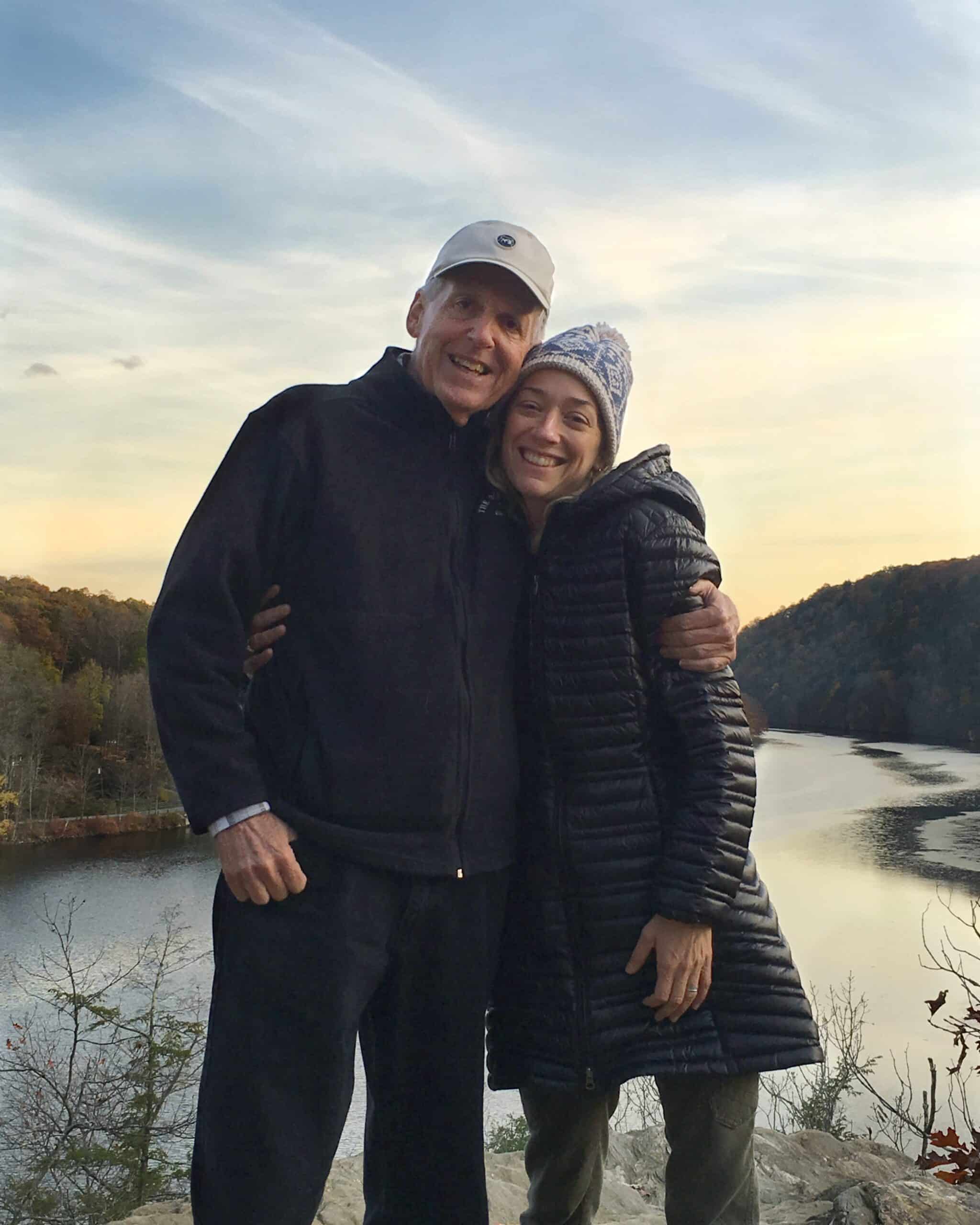
    My dad is one of the most treasured people in my life. He has always been there for me, especially when he adopted me. Without my dad, I wouldn’t be the person I am today. He truly is an earth angel and when I needed him most (when I was diagnosed), he was the first person at my side. He almost created a traffic accident rushing to the hospital where I was sitting by myself, waiting for the results that would change my life forever.

    “Can I come to his biopsy with you? And can I stay for as long as it takes to help you figure this out?” I asked.

    “Oh, yes, please” my mom responded. We both cried and then we did what the women in my family do, we put on our game faces and started creating a healing (save-our-ass) strategy.

    I didn’t sleep at all that night and I sadly don’t fully remember what I said to my dad the next morning. What I do remember vividly was his biopsy. He was still a little groggy when he came out of the procedure wearing nice “slacks,” dress shoes and a crisp button-down shirt, because in his words, “you have to look spiffy for these things.” Rest assured, I was not wearing my Sunday best when I had my own biopsy. It was a miracle I even brushed my teeth!

    As I walked him to the car, holding his arm to steady his balance, he told me that he was sorry that my rock (him) was a little wobbly. This gutted me, but I didn’t let him see it. Later I stuffed myself into a closet where I could scream and cry into a pillow and he wouldn’t hear me.

    But in that moment I just told him how honored I was to get to be his rock for a while.

    And that’s exactly what I tried to do, as best as I could.

    For the first time in my journey as a patient, I experienced what it’s like to be a caregiver.

    Boy, do I have a whole new respect and understanding for all of you who have walked this path–especially my mom. My mother’s strength, grit, grace, love and unwavering determination are immeasurable. Let’s just say that when life kicks you in the teeth, she’s the kind of person you want by your side.

    I also have more compassion for fellow-patients. Because I’ve never had treatment, I could previously only imagine what it was like for people. Well, this time I got to witness it firsthand. I had to learn how to take all of my knowledge and expectations and adapt them to my dad’s day-to-day reality, because sometimes he was too sick to rally around my self-care agenda. And that was OK.

    If you’ve been following me for a while, you know that I don’t use the “gift” lingo when it comes to cancer. Yes, there are many life enriching blessings that come from the journey, but a gift is something different (at least to me). However, the fact that my family and I had learned so much as a result of my own diagnosis was indeed a great blessing. In fact, I’ve sometimes thought that the reason I got sick was so we’d have half a clue about what to do when my dad needed us most.

    Now granted, I have this rare, stable, stage IV disease that I’ve managed to live with for 15 years now. I’ve never had treatment and so far I haven’t needed to, which is amazing because there still really aren’t any options for me.

    My dad’s situation was the opposite. His disease was aggressive and if he didn’t have chemo, radiation and surgery, his chances of survival were slim. In fact, after his Whipple procedure (one hell of a frickin’ complicated surgery!) his talented and compassionate surgeon told us,

    If it hadn’t gone well, my dad may have only had about 2 months to live.

    Typing those words also takes the air out of my lungs.

    Thankfully his treatment was a success and today my dad is in remission, which is why I’m ready to share this story (with his permission). It’s also why I’m writing this blog today.

    Over the years I’ve promoted several online summits that I think could add immense value to your life. But many people have encouraged me to create my own specifically about cancer and prevention.

    Though I liked the idea, I was often busy with other projects, and to be honest, I didn’t really want to dedicate a year of my life (the time it takes to create an online event like this) talking about cancer. Maybe because I spent so much of my early days sharing my story or maybe because I’m still a patient, and sometimes need a break from it all.

    But when my dad got sick and we flew into action, finding the best doctors and surgeons, helping with dietary and lifestyle changes, and ultimately creating a healing plan that continues to this day, I was reminded of just how much my family and I know—and how many world-renowned experts I have on speed-dial.

    That’s when Reid Tracy, the wonderful CEO of Hay House, circled back and said that if I was ready to host my own cancer summit, they would partner with me to help my team and I share it with the world. Reid had been checking in on me often, like the good friend and solid citizen he is. He knew what I was going through personally, but he also knew how healing this would be for countless people–including me and my dad. I knew he was right.

    I also felt totally inspired by my dad’s strength. I watched this man, who is so dear to me, go through the valley of the shadow of death. And yet he did it with such grace, humor and resilience. He even skipped to the hospital at 5:30 a.m. the morning of the surgery! WTF? His motto was “hold fast” and he did just that.

    So I said, “HELL YES! Let’s do this, Reid.”

    That’s where the Healing Cancer World Summit began.

    Whether you’re a cancer patient, survivor, thriver, caregiver or interested in prevention, this summit was created with your needs in mind. I carefully selected and interviewed 20 of the world’s top integrative oncologists, wellness experts, dietitians, spiritual teachers and remarkable survivors to bring you the most comprehensive and inspiring wellness event you’ve ever experienced.

    And here’s something else you should know: This event was not about fear. It wasn’t about scaring you with statistics or telling you that cancer is your fault. This event was about giving you the hope and support you need to tackle whatever comes your way. While the summit has now concluded, I took the results and compiled a modern-day guide for navigating cancer that you can find here.

    The truth is, there isn’t a magic bullet or a one-sided approach to healing. If there was, we would have won the so-called war on cancer by now. It’s also not your fault if you’re facing this situation. We don’t always have the tools and knowledge we need to avoid illness, and sometimes our genes are at play, too.

    But each of us has the beautiful opportunity and responsibility to care for ourselves and that’s what I focused on in this summit. No fear. Only positivity and possibilities–which is exactly what I needed in my own journey.

    Your turn: Let me know if you attended the Healing Cancer World Summit or read my new cancer guide and let me know what you think in the comments below.

    Peace and healing,

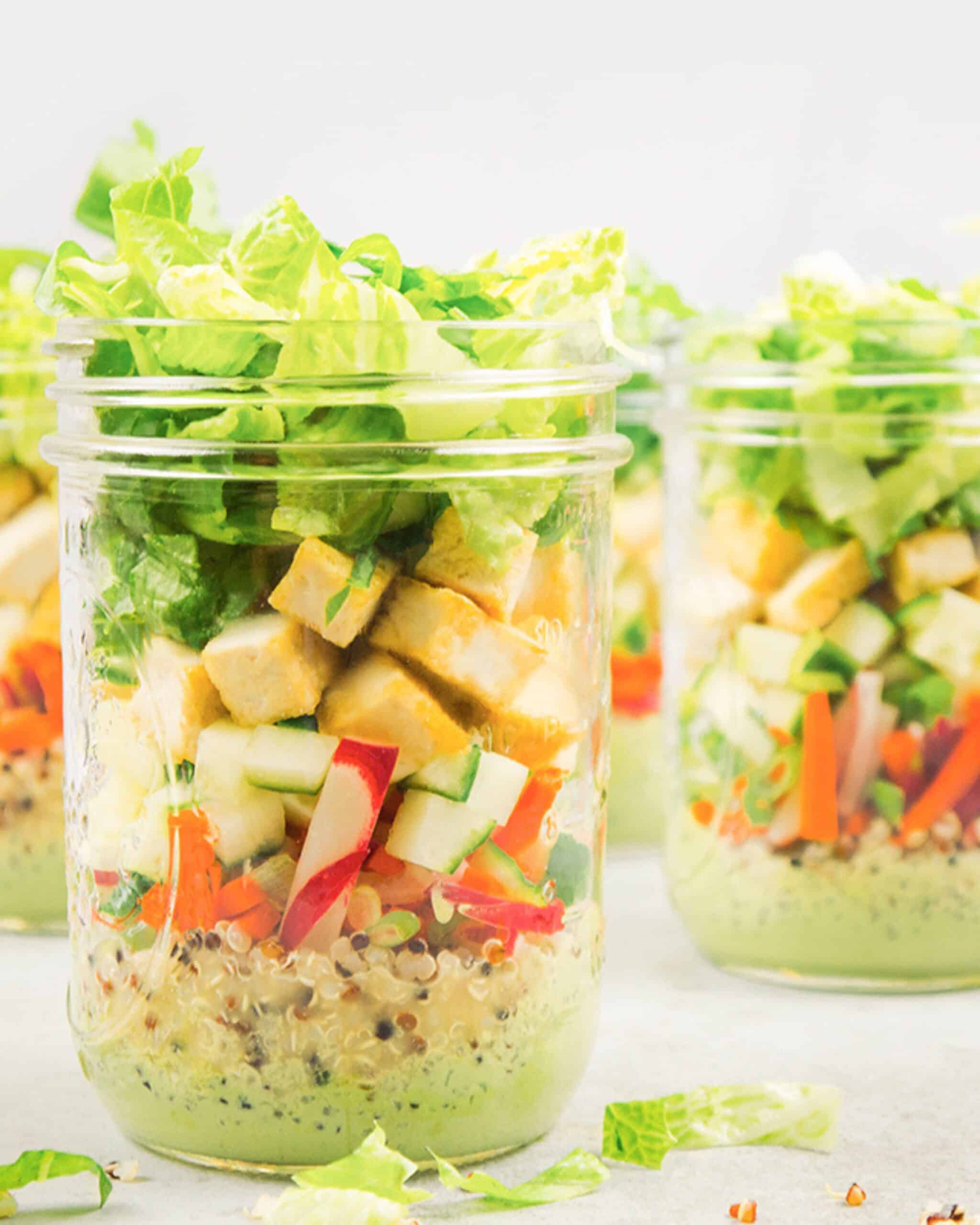
  • Banh Mi Mason Jar Salads (video)

    Banh Mi Mason Jar Salads (video)

    Hiya Gorgeous!

    I know it’s not back-to-school season for all of us, but boy does this time of year get me in the mood to pack up my lunchbox and head off to class! Don’t you remember that feeling of excitement, putting on your first-day-of-school outfit, hoppin’ on the bus and heading off to begin a new year filled with possibilities?

    And I don’t know about you, but back in the day, lunch was a big deal. We were always negotiating trades (my pretzels for your orange juice?) and ogling over what everyone else had. The same is true today! Whether we’re at school, the office or our own kitchen table, what we eat for lunch has the power to set the tone for the rest of the day. It can boost our mood and re-energize us, or it can send us straight to mid-afternoon nap town.

    But most of us don’t have the time, resources or motivation to pack something inspiring and healthy every day. So, we might settle for something so-so or eating out, which isn’t always the best thing for our bodies or our wallets. (To all of the parents and caregivers out there who prep lunches for their kids every day—I know you’re often short on time, so props to you for whatever you whip up! ?)

    Enter the mason jar salad—aka, the best thing to happen to lunchtime since sliced bread. Not only are these babies uber-photogenic, they’re also fresh, tasty and crazy convenient! This week’s Test Kitchen Tuesday is a fabulous Banh Mi Mason Jar Salad that is going to take your lunch game to a whole new level.

    This recipe is fun, flavorful and a cinch to put together. The Test Kitchen Tuesday team was inspired by banh mi (“bánh mì”), which is a sandwich from Vietnamese cuisine. Traditionally, this is not a plant-based meal, so we’ve put our own twist on it while still keeping some of the same flavors and ingredients!

    And guess what? This mason jar salad is also loaded with fabulous-for-you ingredients. Tofu, pepitas (raw, shelled pumpkin seeds) and quinoa are all great sources of plant-based protein. The pepitas are also packed with zinc. Cucumber and romaine lettuce are both super hydrating, not to mention their delicious crispy crunch! The radishes and carrots provide plenty of potassium, fiber and vitamin K. And that’s just to name a few of the ingredients—this is one nutrient-dense meal.

    Trust me—these mason jar salads are a lunch that you’ll actually be excited to eat. No more wishing you could replace your PB&J with greasy takeout. Plus, it’ll keep you full through the afternoon without feeling like you want to doze off mid-meeting. Ready to get cookin’? Press play below!

    Banh Mi Mason Jar Salads

    Makes: 4 servings

    Ingredients

    Dressing ingredients:
    1/3 cup pumpkin seeds (pepitas), soaked* and drained
    1/3 cup fresh mint leaves, tightly packed
    1/3 cup fresh cilantro leaves, tightly packed
    1 scallion, trimmed and roughly chopped (white and light green parts only)
    1/2 cup water
    1/3 cup fresh lime juice
    1 pitted date
    1 Tbsp extra virgin olive oil
    1/4 tsp salt

    Salad ingredients:
    1 Tbsp coconut oil
    1 (14 oz) package firm tofu, drained, pressed and cut into 1/2-in cubes
    2 medium carrots, peeled and julienned
    2 scallions, thinly sliced
    3 medium radishes, trimmed and julienned
    2 Tbsp rice vinegar
    1 tsp coconut sugar
    1/4 tsp salt
    1 cup diced seedless cucumber
    3-4 cups romaine lettuce (may sub spinach), chopped
    1 cup cooked quinoa (optional)
    4 (16 oz) wide mouth mason jars


    Directions

    1. To make dressing, place all dressing ingredients in a high speed blender and blend on high until smooth, about 1-2 minutes.

    2. Heat coconut oil in a large nonstick pan over medium high heat. Add tofu and cook, stirring occasionally, for approximately 10 minutes, or until golden on most sides. Remove from heat and season to taste with a pinch of salt.

    3. While tofu cooks, place carrots, scallions and radishes in a bowl. Add rice vinegar, coconut sugar and salt and toss to combine. Let sit for a minimum of 15 minutes.

    4. To assemble mason jar salads, place between 2-3 Tbsp of dressing at the bottom of the mason jar. Layer in 1/4 cup of cooked quinoa (if using), 1/2 cup of carrot/radish mixture, 1/4 cup of diced cucumber and 1/4 of the cooked tofu. Top with 3/4 – 1 cup of chopped lettuce and attach lid. Repeat with remaining ingredients and jars to make 4 complete mason jar salads.

    5. When you’re ready to eat, give the jar a good shake to distribute the dressing!

    Notes:
    The mason jar salads will stay fresh in the fridge for up to 5 days, making them the perfect meal prep option!

    If you have a high-speed blender, you can skip soaking the pepitas. If you don’t have a high-speed blender, you can either soak them for 4 hours, or you can do a “quick soak” by covering them with water in a pot and bringing it to a boil. Once the water boils, remove them from the heat and let them sit for an hour.

    And finally, a very special thanks to our talented Chef Lauren and the rest of the Test Kitchen Tuesday crew for helping to create this spectacular dish!

    Your turn: What’s your go-to packed lunch? Let me know in the comments below

    Peace and shakin’ salads,