Blog

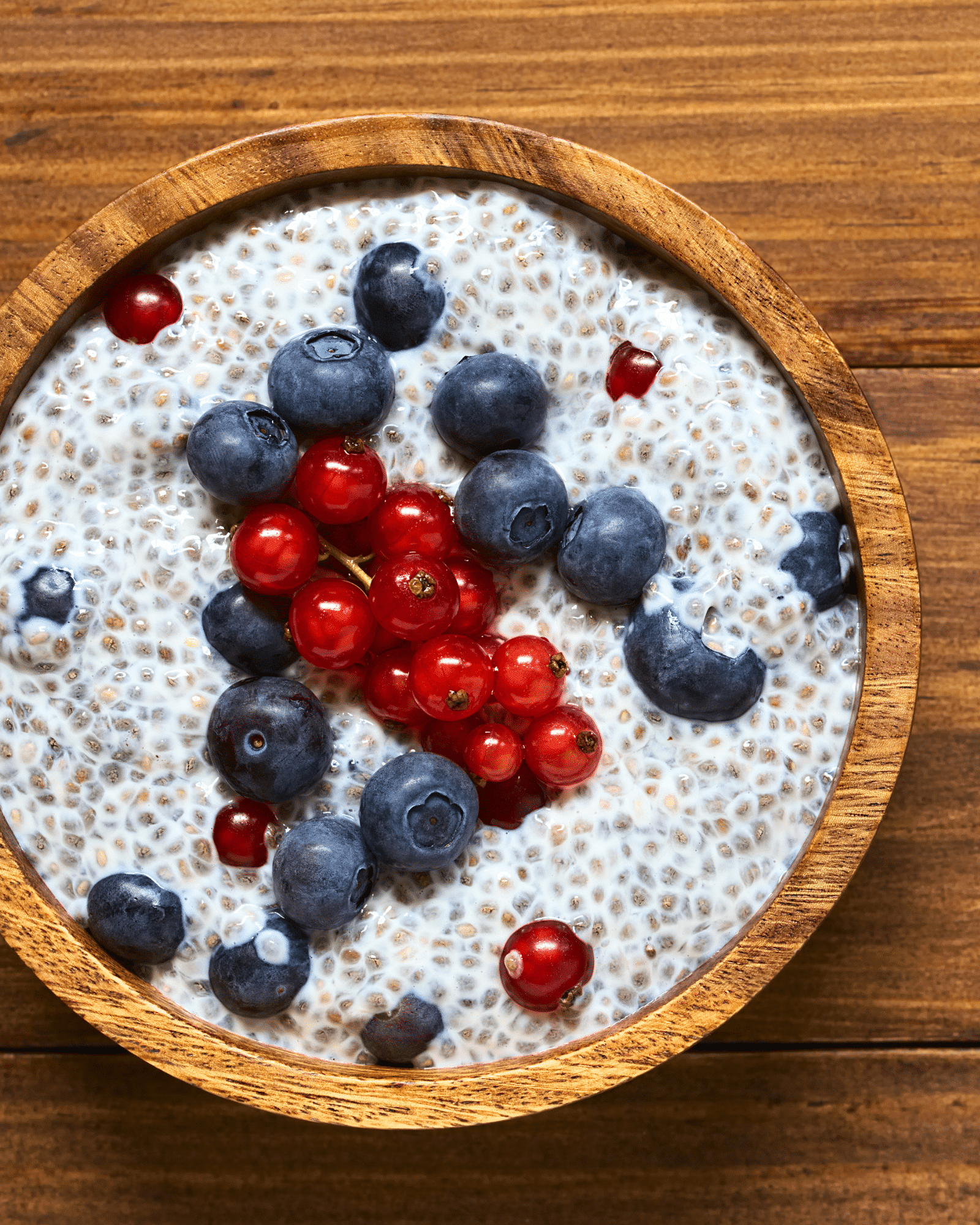
  • Chia Seed Breakfast Bowl

    Chia Seed Breakfast Bowl

    Ingredients

    • 1/4 cup chia seeds
    • 1.5 – 2 cups nondairy milk of choice
    • 2 tablespoons pure maple syrup
    • 1 teaspoon vanilla


    Directions

    1. Mix all ingredients in a bowl, whisk well to prevent clumping. Or blend all ingredients together using a high-speed blender. Note: For a thicker pudding, decrease amount of milk used.

    2. Store in an air-tight container and refrigerate overnight.

    3. Serve with toppings of your choice! Mangos, bananas, berries, kiwi, almonds, walnuts, cinnamon, maple syrup, pineapple, etc.

  • Blueberry Lemonade

    Blueberry Lemonade

    Conventional lemonade recipes are packed with added sugars (and the bottled ones have some not-so-savory additives and preservatives, too). This mixture evokes the beloved taste of freshly made lemonade, but it’s infused with body-boosting ingredients. The cucumbers create a hydrating base for the juice, while apples provide a lovely sweetness that’s not too sugary. The fresh blueberries add age-defying antioxidants and help give the drink a gorgeous purple color.

    Pro Tip: This is another great recipe to keep handy for summer entertaining, or to offer kids as a more nutritious spin on a favorite childhood classic!

    Blueberry Lemonade

    Ingredients

    • 2 small cucumbers
    • 1 cup blueberries
    • 2 Granny Smith apples
    • 1/4 lemon, peeled
    • 3 tablespoons mint leaves, tightly packed


    Directions

    1. Wash and prep all ingredients.

    2. Juice all ingredients.

    Psst… For more delicious juice and smoothie recipes, pick up a copy of Crazy Sexy Juice today, cheers!

  • How Healthy Fats Can Boost Weight Loss & Well-Being

    How Healthy Fats Can Boost Weight Loss & Well-Being

    Hiya Gorgeous,

    I love healthy plant-based fats. There isn’t a salad in town I won’t top with avocado. I add almond butter to my smoothies, flax oil to my salad dressings and I’ve never turned down a square or two of very dark chocolate as a late-night treat. But there was a time in my life when I was really confused about fat. I knew French fries weren’t doing my health (or waistline) any good, but I thought that anything containing fat was a no-no. So, I assumed I could just reach for the fat-free Snackwells instead of the Oreos and go on my merry mad-for-junk-food way. Spoiler alert: I still felt like crap.

    Today, I eat a variety of plant-based healthy fats and feel fabulous (we’ll get to the types of fats in just a moment). There are many benefits that come along with eating a diet that includes the right fats. Think glowing skin and shinier, stronger hair for starters. Plus, healthy fats help keep your weight where you want it and support brain health.

    But before we all leave our jobs for avocado farming (though that would be fun!), let’s step back and talk about the different kinds of fats. Some are not-so-great for your health and some you just can’t live without. The good news is, if you eat the healthier fats and don’t overdo it on sugars and refined carbs, you’ll probably have an easier time maintaining a healthy weight. Not only will you be unlikely to gain weight, but healthy fats are likely to help you to stay slim!

    • Trans fats (try to avoid these completely): By now it’s common knowledge that these fats have no health benefits and may actually be harmful. While there are some naturally occurring trans fats in dairy products, most of the trans fats in a standard diet are man-made. They’re made by taking healthy vegetable fats and adding hydrogen atoms to them. This saturated version of an otherwise healthy fat is more shelf-stable, which is why trans fats often appear in margarines, fried foods, cookies, cakes and other processed baked goods. Not only do trans fats cause an increase in “bad” LDL cholesterol levels, but they also work to decrease “good” HDL cholesterol (study).
    • Saturated fats (try to eat these sparingly): These fats have generally been thought of as unhealthy, especially when it comes to heart disease risk. Although, not all types of saturated fats impact your health the same way. For example, saturated fats from animal products, such as butter, cheese and fatty meats, tend to increase cholesterol levels and cardiovascular disease risk (study), whereas the saturated fats in coconut oil, canned coconut milk (BPA-free cans, please!) and dark chocolate do not tend to have the same negative effect (study). So while adding some plant-based, unprocessed saturated fats to your diet may benefit your health, you probably want to avoid animal-based ones as much as possible.
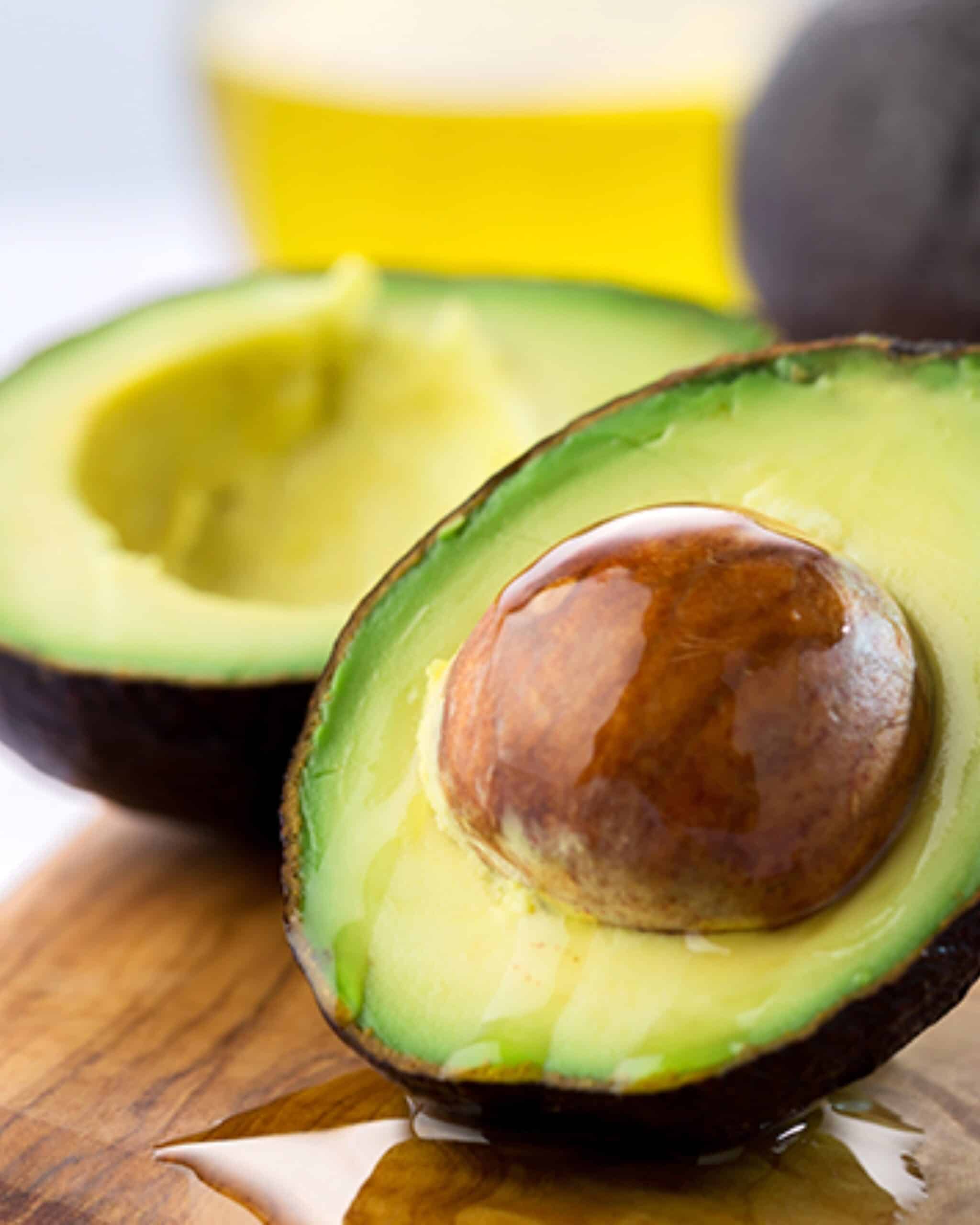
    • Monounsaturated fats: You’ll find these fats in foods like avocados, nuts and olive oil. They’ve been found to be beneficial in lowering breast cancer risk (study), lowering cholesterol levels (source), improving rheumatoid arthritis symptoms (study) and reducing belly fat (study).
    • Polyunsaturated fats: These fats are found mostly in vegetable oils (corn, sunflower, safflower). Omega-3’s also fall into this category, and they are considered the healthiest and most essential fats on the block. You’ll find omega-3’s in foods like flaxseeds, hemp seeds, walnuts and chia seeds. They are considered essential because your body cannot make them and you must get them in your diet to reap the benefits. These benefits include improving heart health and decreasing risk of stroke (source). The omega-3’s are also important for building brain cells and for a healthy functioning nervous system (source).


    Boost Your Health and Promote Weight Loss With Healthy Fats

    Before we dive into shedding some unwanted pounds (if that’s your goal), let’s do a fat recap. The trans fats are goners—they don’t serve your health. On the other side of the coin, polyunsaturated essential fats are integral to your health, monounsaturated fats can be beneficial and even saturated plant-based fats have some redeeming qualities.

    In order to maintain a healthy weight or lose weight (if desired), it’s important to get healthy fats into your diet while also reducing the amount of simple sugars and white carbs (aka Snickers bars and Wonder Bread). By replacing these sugars and carbs with healthy fats, you may have a much easier time managing your weight (study). Plus, fats trigger satiety and may prevent overeating because your food tastes better. Yum, yum, done.

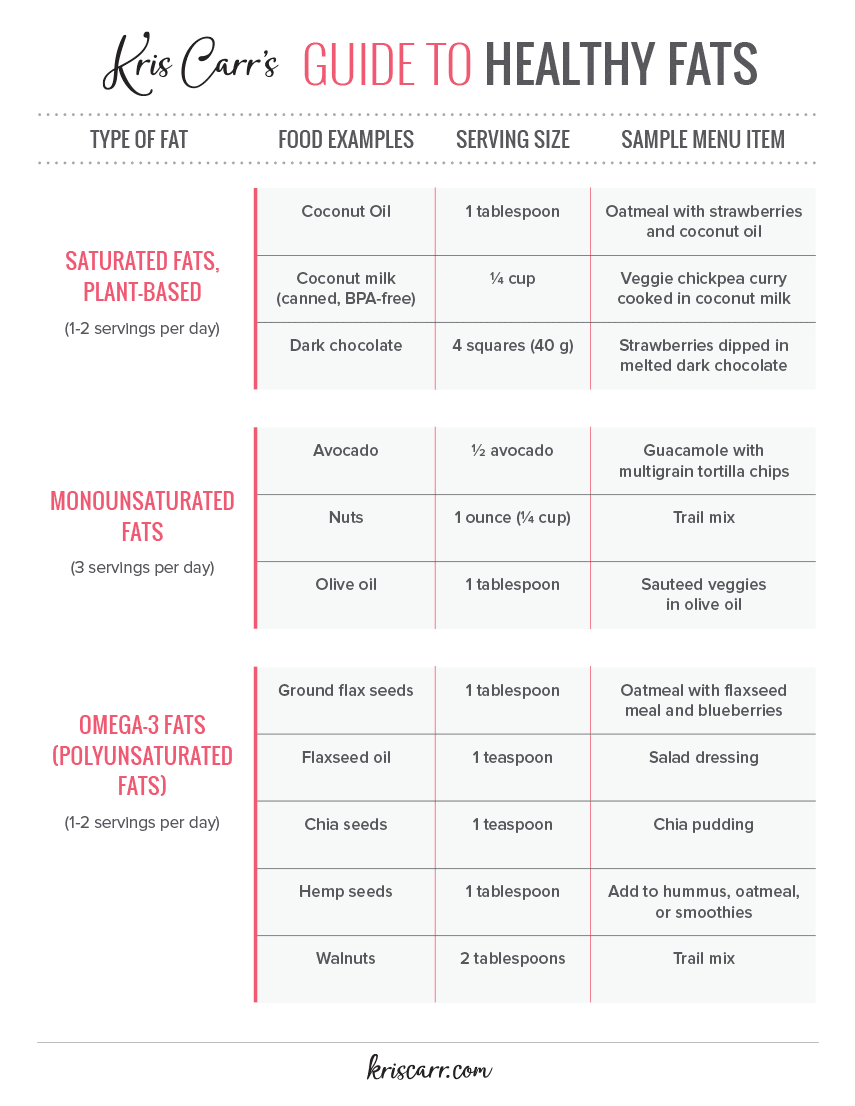
    Here’s a chart that gives you an idea of how much and how often to eat these healthy fats:

    healthy fats list

    Hopefully you’re feeling more fat savvy and ready to integrate the beneficial ones into your diet. Whether you’re just looking to boost your health (prevention rocks) or shed some weight, fat can be your friend!

    Your turn: What’s your favorite go-to healthy fat and how do you use it in your diet? I wanna know!

    Peace & cashews,

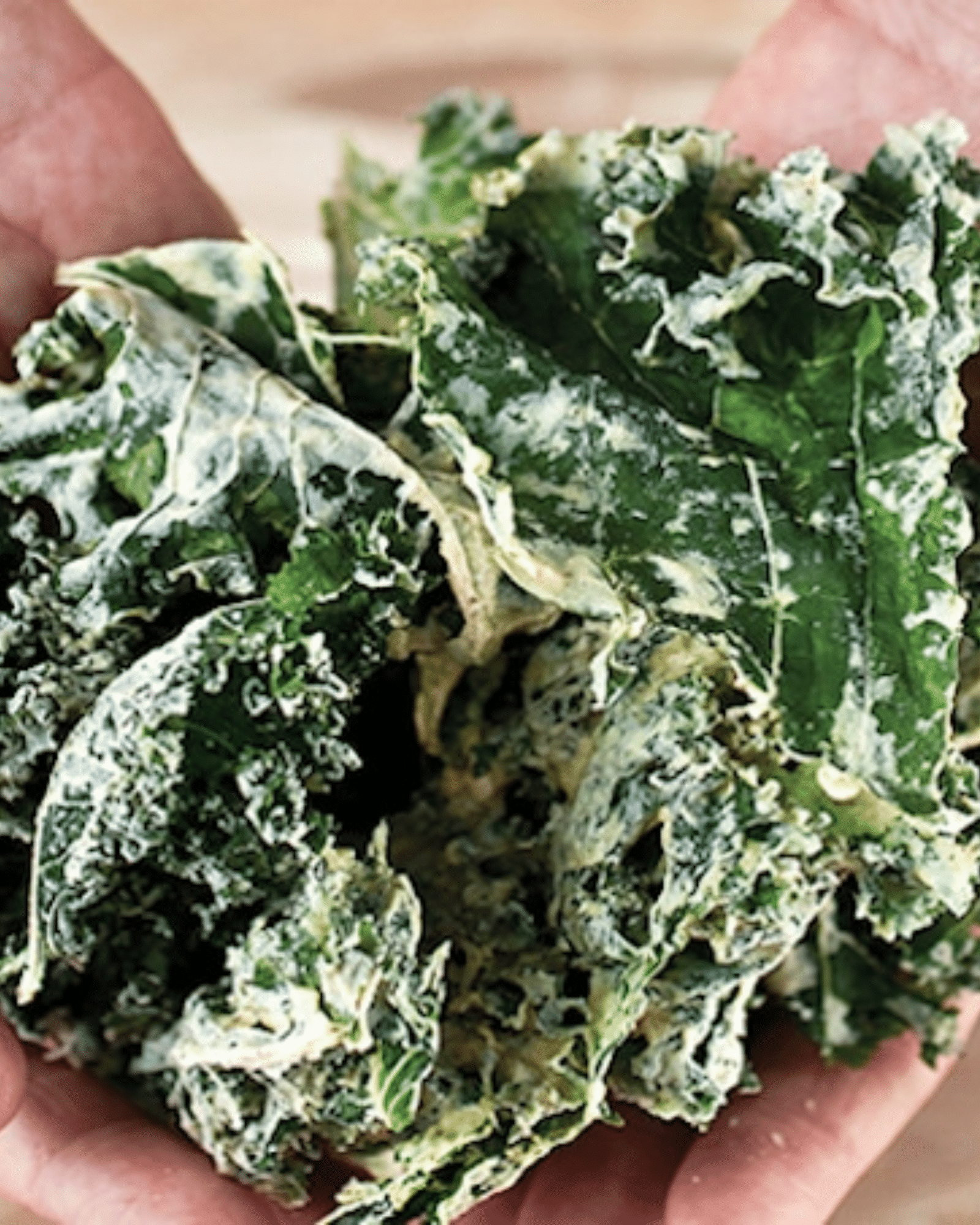
  • Kale Chips

    Kale Chips

    Kale Chips

    Ingredients

    • 3 bunches kale
    • 2 1⁄4 cups cashews, soaked for at least 4 to 5 hours
    • 1 1⁄2 cups purified water
    • 2 medium cloves garlic
    • 1⁄4 cup onion powder
    • 2 1⁄2 teaspoons sea salt
    • 1⁄2 teaspoon black pepper


    Directions

    1. Remove kale ribs (save for juicing or just eat whole as crunchy snacks). Tear the leaves into large pieces, approximately the size of your palm. Wash thoroughly and spin dry.

    2. Drain cashews. In a high-speed blender, blend with the remaining ingredients. The final product should be smooth and creamy and resemble a thick dressing. In a large mixing bowl, thoroughly coat the kale pieces with the cream.

    3.  On a dehydrator tray fitted with teflex or parchment paper, place coated kale, leaving enough room for air to circulate around them. For this recipe it’s best to have at least a full 9-tray dehydrator to accommodate all the chips, skipping every other level so the chips do not get crushed.

    4.  Dehydrate overnight for at least 13 hours until kale pieces are crisp and light.

    5.  They will keep in an airtight container for a week at room temperature.

  • Avocado-Cashew Toasts

    Avocado-Cashew Toasts

    Avocado-Cashew Toasts

    Ingredients

    For the cashew cream:

    • 1.5 tablespoons cashew butter
    • 2 tablespoons almond or organic soy milk
    • 1 teaspoon lime juice
    • Sea salt & pepper
    • 1 teaspoon onion powder
    • 1 teaspoon garlic powder
    • Some chili flakes or powder, to taste
    • 1 teaspoon coconut blossom sugar or maple syrup

    Remaining Ingredients:

    • 2 whole wheat spelt buns (or gluten-free bread of choice)
    • 3-4 baby avocados
    • Salt flakes
    • 1 handful fresh watercress
    • 1 lime
    • 1 tablespoon dukkah
    • Hemp seeds, to taste
    • 2 tablespoons pomegranate arils (optional)


    Directions

    1. For the cashew cream: Add the cashew butter up to and including the coconut blossom sugar in a small bowl and mix with a fork until well combined. If desired, add another spoon of milk to make it smoother.

    2. Cut the buns in half and toast either in your toaster or in the oven until golden brown.

    3. Equally spread the cashew cream on the 4 pieces of bread.

    4. Cut the avocados in half, season with sea salt, cut into thin slices and add on top of the cashew cream.

    5. Finish off with a good drizzle of lime, sprinkle the dukkah on top and top off with the fresh watercress.

    6. Enjoy!

  • Chocolate Cannoli With Coffee Mousse

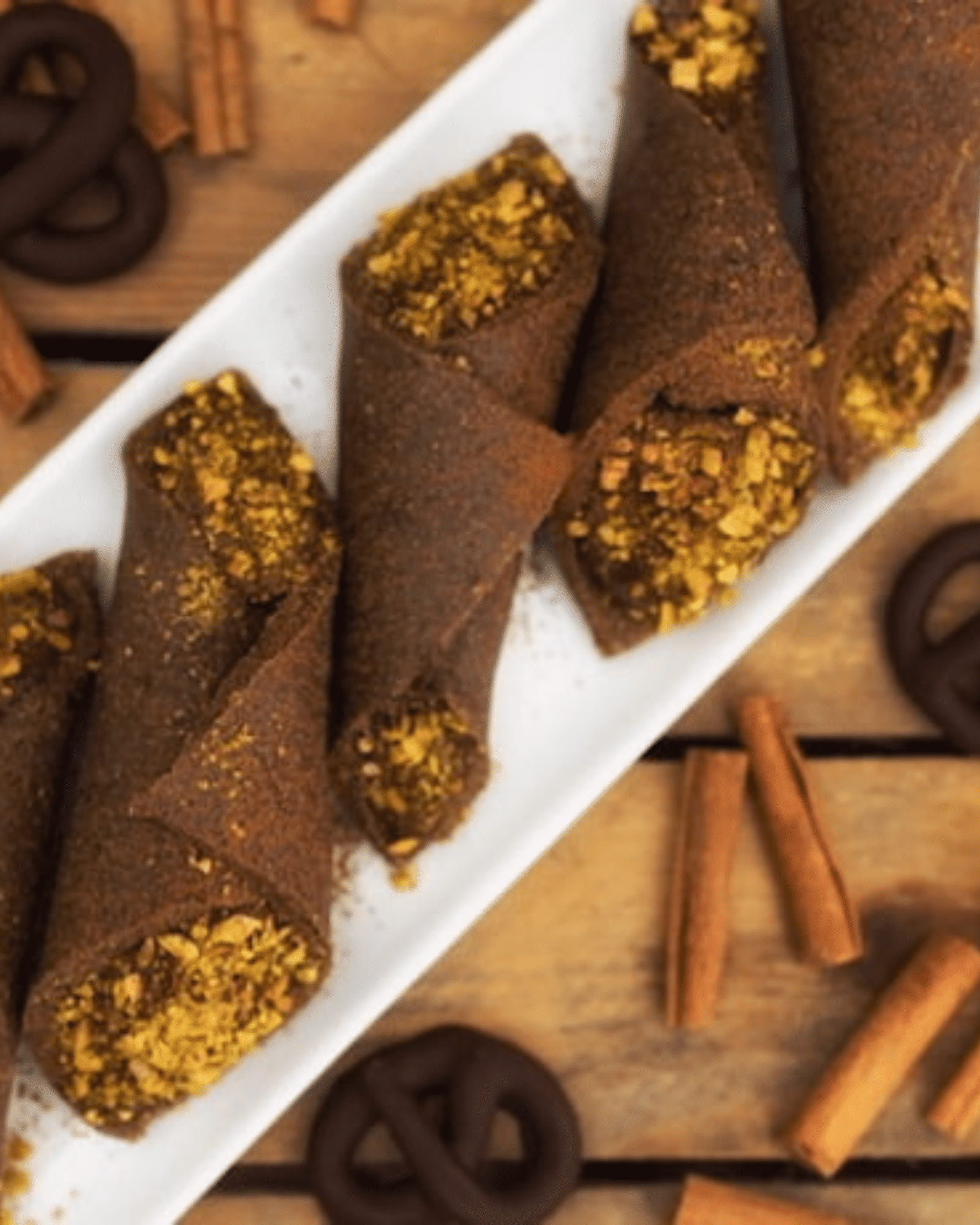
    Chocolate Cannoli With Coffee Mousse

    Chocolate Cannoli With Coffee Mousse

    Ingredients

    For cannoli shells:

    • 1 cup sunflower seeds
    • 1 cup flaxseeds
    • 1/4 cup chia seeds
    • 1/3 cup rolled oats
    • 1/4 cup apple juice pulp, dried and ground or use apple chips

    1. Place all ingredients listed above into a food processor fitted with the S blade, and process into fine flour.

    • 2/3 cup raisins
    • 1/2 teaspoon cinnamon
    • 1/4 teaspoon cloves
    • 1/4 teaspoon all spice
    • 1+ 1/2 orange peeled


    Directions

    2. Add remaining ingredients listed above into a food processor and process until ingredients form a sticky ball. Shape the dough into a ball, cover with plastic wrap and let rest in the fridge for 1 hour.

    3. Roll the dough about 1/4 to 1/8 thick (roll into a rectangle), then cut into 2 long strips out of 1 sheet, then cut again into 4 rectangles. Cannolis are typically tube shaped, but cream horn molds can also be used. Oil the outside of the molds using coconut oil. Next, just wrap the cannoli/cream horn forms with the pastry, freeze or dehydrate* as directed. Remove mold.

    *Dehydrate at 140 degrees Fahrenheit for about 2 hours. Decrease heat to 115 degrees Fahrenheit and continue to dehydrate about 2 – 3 hours.

    For the cream:

    • 1/2 cup raisins
    • 1/3 cup cold brewed coffee
    • 3 tablespoons cacao powder
    • 1/2 teaspoon mint extract
    • 2 ripe avocados

    4. Place all ingredients, in a high-speed blender and blend until smooth. Add 1 tablespoon cacao nibs and pulse together. Pour the mixture into a piping bag and fill the shells. Drizzle with cacao powder, sprinkle with roughly chopped pistachios.

    5. Serve and enjoy!

  • How to Find the Best Food for Your Dog (Interview)

    How to Find the Best Food for Your Dog (Interview)

    Hiya Gorgeous,

    If you’re a regular here at KrisCarr.com, you know I love nourishing, whole foods—from growing them in my garden to cooking them up in the kitchen to serving them up at the table. And I’ve done a lot of research when it comes to what fuels our bodies best. But when I adopted my dog Lola (and later rescued and rehabilitated Buddy), I realized that there was a lot I didn’t know about food for our furry friends.

    A lot of you are proud pet parents. And over the years I’ve gotten tons of questions about pet food—especially dog food. And although I’ve tried to educate myself as best I can, I’m not the go-to pet food expert. So what do I always do? I find an expert we can trust!

    That’s why I brought in author of Canine Nutrigenomics and co-creator (with Dr. Jean Dodds) of the Complete Canine Nutrition course, Diana Laverdure-Dunetz, to help guide us down the dog food aisle. (Don’t worry, kitty lovers—we’ll address our feline friends in a future post!) Diana holds a Master’s Degree in Animal Science and is an award-winning canine
 health writer, canine nutrition consultant and healthy pet food advocate. Through her company, Pet Food Diva, she provides dog parents with custom-formulated diets to optimize the health and longevity of their canine companions and she also created a way for dog owners to self-study canine nutrition through her online master course.

    Whether you’re trying to weed through commercial dog food ingredients or understand the differences between cooked and raw options, we’ve got you covered!

    (Note for plant-based pet parents: I know some of you feed your furry friends a vegan diet with a lot of success. I totally respect that! That’s not the approach this pet nutrition expert takes, so I hope you’ll respect that too.)


    So let’s dig into this doggone topic and separate pet food fact from fiction…

    Kris: What should we know about the pet food industry to be informed consumers?

    Diana: The pet food industry is evolving toward many healthier food and treat options, such as gluten-free, non-GMO and organic. At the same time, all these options can feel overwhelming, and you can’t always trust the marketing claims. That’s where credible information sources come in. They can help us make educated decisions about what we feed our pets.

    When you’re researching, look for information sources that have no financial stake in the products they recommend (i.e. avoid large pet food companies that benefit by claiming their products are the best), rely on factual data and have appropriate education and expertise in their fields of knowledge. The top three information sources that I trust are DogAware.com, Jean Dodds, DVM, and Dr. Karen Becker, along with my website, Pet Food Diva.

    Kris: What should we watch out for when reading pet food labels and what the heck are by-products?

    Diana: When reading labels, we should ignore the marketing claims on the front of the package and focus on the ingredients list on the back. Fresh meats, fruits and vegetables should dominate the food. Beware of artificial colors (e.g., Blue 2, Red 40, Yellow 5), flavors (e.g., MSG), humectants (e.g., propylene glycol) and preservatives (e.g., BHA, BHT, ethoxyquin). Also beware of a common tactic known as “ingredient splitting” or “fractioning”, which occurs when a less desirable ingredient, such as corn, is “split” and listed as its different components (e.g., “ground corn”, “corn meal” and “corn gluten”).

    “By-products” refer to parts of a slaughtered animal other than the muscle meat, so pet food “by-products” are typically the discarded parts of dead animals left over from the human food industry and deemed unsuitable for human consumption. I highly recommend avoiding them.

    Kris: What foods do dogs thrive on? And what should they avoid?

    Diana: Dogs thrive on fresh, minimally processed foods, such as lean muscle meat, organ meat, fish, eggs and some vegetables and fruits (except, of course, those that are toxic to dogs, such as grapes, raisins and onions). Avoid dog food brands that include chemical additives and highly processed soy, wheat and corn-based proteins (which are also problematic because of things like GMOs and mycotoxin contamination). Fresh animal-based proteins supply the ideal amino acid profile for dogs in their most bioavailable form (more on amino acids and protein below). The foods a specific dog thrives on will depend upon his individual health status, physiological state, age and lifestyle.

    Kris: Which is better for dogs: raw or cooked food?

    Diana: The answer depends on the individual dog. Many dogs thrive on raw food diets, while others respond better to foods that have been lightly cooked. Raw foods tend to be high in fat, which may be more appropriate for high-energy sporting dogs. But canines with GI issues may do better on cooked foods, as these dogs are at greater risk of bacterial contaminants. Studies show that fresh, whole foods are more bioavailable than highly processed foods; the decision whether or not to cook these foods depends upon the individual dog, as well as the owner’s preferences.

    Kris: Can dogs do well on a vegetarian or vegan diet?

    Diana: Dogs need lots of “high-quality” proteins to thrive. High quality proteins supply the correct level and composition of essential amino acids in forms that are highly digestible and absorbable. Unlike people, who are efficient at processing amino acids from plant-based sources, a dog’s digestive system is “built” to break down and assimilate animal-based proteins. Therefore, animal-based sources offer the highest quality proteins dogs need. That’s why I do not personally recommend plant-based diets for dogs. If a vegetarian or vegan diet is provided, it should be purchased from a reputable commercial manufacturer or formulated by a qualified nutritionist to ensure it is properly balanced.

    Kris: Should we feed our dogs the same foods across their lifespans or do they need specific foods for specific ages?

    Diana: Dogs need specific levels of nutrients at different stages, and their diets at each stage should best provide these nutrients. For example, young puppies require much higher levels of protein and calories than adult dogs at maintenance weight and size to fuel their rapid development, as well as different amounts of vitamins and minerals. Many people believe that healthy senior dogs need less protein, when in fact they require as much as 50% more protein than their younger counterparts to avoid loss of lean muscle mass.

    Kris: What are your top dog food brand recommendations?

    Diana: My top dog food recommendation always depends on the individual dog because the brand must align with the specific dog’s health status and physiological requirements. I recommend identifying a few high-quality brands based on the parameters we have discussed above, and then experimenting to determine which brand best agrees with your dog. Barring any specific physiological requirements or health issues, Orijen, Sojos, The Honest Kitchen, Stella & Chewy’s, Primal Pet Foods and Darwin’s are all brands that meet the qualifications discussed above. Of equal importance is letting your dog’s taste buds choose the food he/she most enjoys!

    Kris: What are your favorite lifestyle tips to help our fur-kids thrive?

    Diana: Providing your dogs a wholesome and nutritious diet and enough physical activity are two important ways to help them thrive. Equally important is carving out quality time to spend together. It really doesn’t matter which activities you choose to share with your pets, as long as you both enjoy them and they strengthen your loving bonds.

    Thanks, Diana!

    I hope this information clears up some confusion so that you can become a dog food detective and find the right diet for your canine companion.

    Your turn: Have you found a diet that works for your dog? Share your tips in the comments!

    Peace & bow-wow,

  • Barbecue Zucchini & Chickpea Tacos

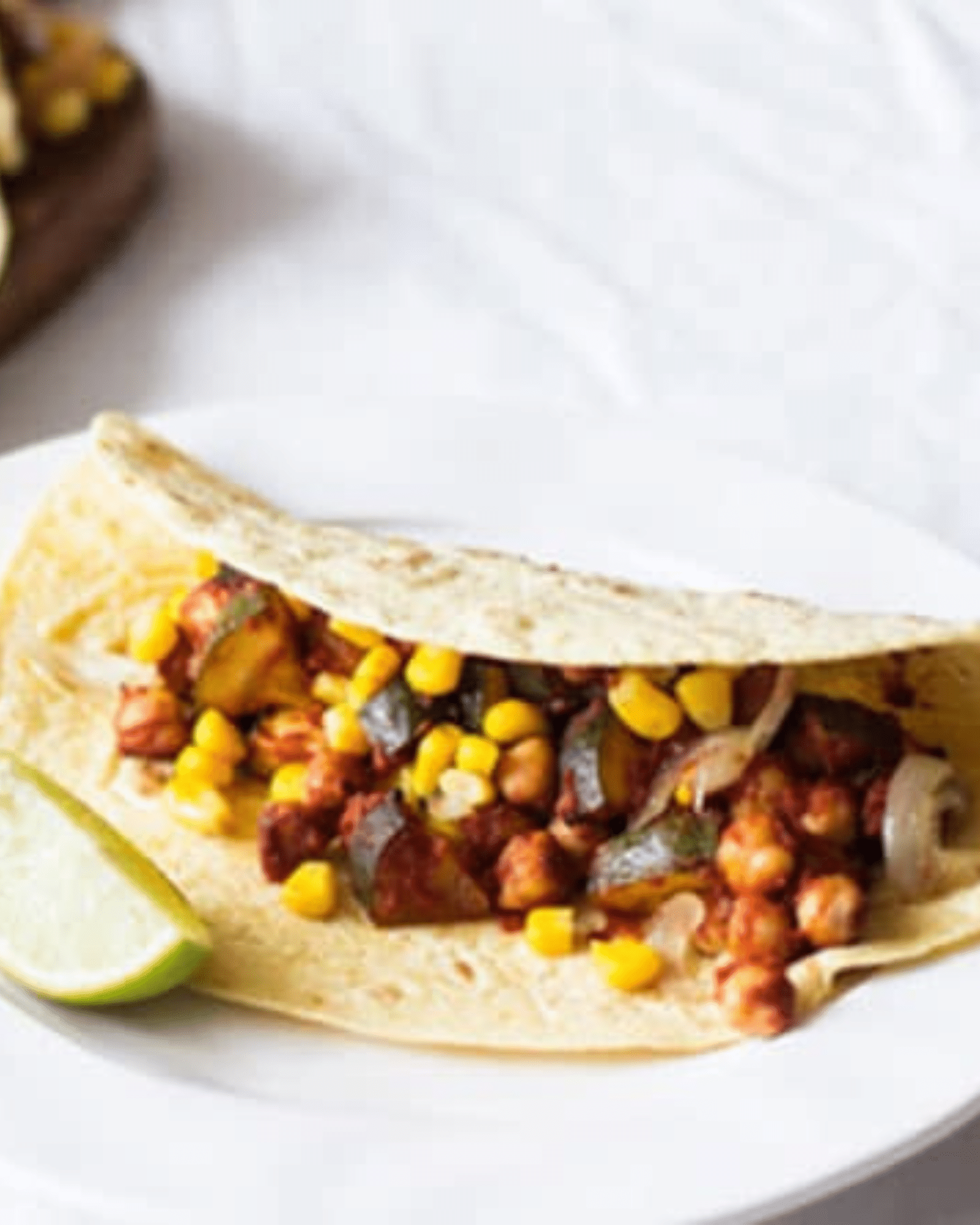
    Barbecue Zucchini & Chickpea Tacos

    Barbecue Zucchini & Chickpea Tacos

    Ingredients

    • One 6-ounce can tomato paste (about ⅔ cup)
    • 1/2 cup water
    • 2 tablespoons maple syrup
    • 1 tablespoon blackstrap molasses
    • 2 tablespoons low sodium tamari
    • 2 tablespoons apple cider vinegar
    • 1/2 tablespoon yellow mustard (or ½ teaspoon mustard powder)
    • 1 teaspoon chili powder
    • 1/2 teaspoon garlic powder (optional)
    • 1/2 teaspoon smoked paprika
    • 1 1/2 pounds zucchini, quartered lengthwise and cut into ¾ inch pieces (about 6 cups, or 2 large zucchini)
    • 3 cups cooked chickpeas (or 2 cans chickpeas, drained and rinsed)
    • 2 teaspoons olive oil
    • 2 shallots, chopped
    • 2 1/2 cups corn kernels (from about 3 large ears of corn)
    • Salt and pepper, to taste
    • 1 teaspoon lime juice
    • 12 wheat or white or yellow corn tortillas, or 12 crispy taco shells
    • 1/4 cup chopped cilantro leaves, for garnish (optional)
    • Lime wedges (optional)


    Directions

    1. Line baking sheets with parchment, foil or silpat. Preheat your oven to 375 degrees Fahrenheit.

    2. Whisk together the tomato paste, water, maple syrup, blackstrap molasses, tamari, apple cider vinegar, mustard or mustard powder, chili powder, garlic powder, if using, and smoked paprika.

    3. Place the zucchini and chickpeas into a large mixing bowl. Add the barbecue sauce. Toss everything together so that the zucchini and chickpeas are smothered in sauce.

    4. Divide the vegetables onto your prepared baking sheets. Bake for 15-20 minutes, or until the zucchini is tender and the chickpeas are getting crispy.

    5. While the vegetables roast, heat the olive oil in a small frying pan over medium heat. Add the shallots and cook for 2 minutes, or until just tender. Add the corn, along with a pinch of salt and pepper and the lime juice. Sauté for 4-5 minutes, or until the corn is sweet and tender, but still crisp.

    6. If you’re using soft tortillas, warm them over a burner or pop them in the oven for a minute after the vegetables roast. To prepare the tacos, divide about 1/4 cup filling into each tortilla. Top with two or so tablespoons of corn and a sprinkle of cilantro. Serve.

  • Vegan Broccoli Salad

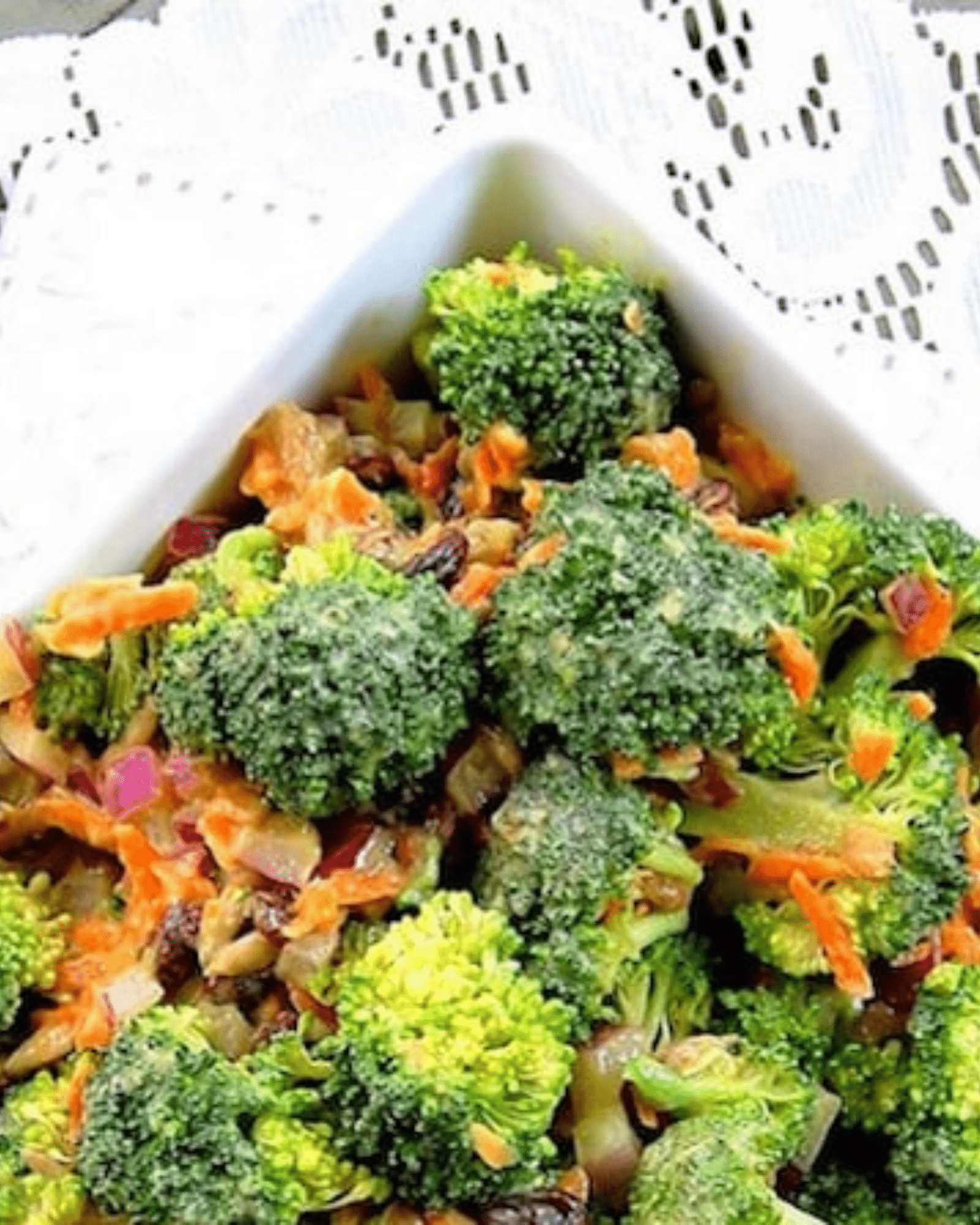
    Vegan Broccoli Salad

    Vegan Broccoli Salad

    Ingredients

    • 1 avocado
    • 1 tablespoon vegan mayonnaise
    • 1 tablespoon date syrup or pure maple syrup
    • 2 tablespoons fresh lemon juice
    • 2 tablespoons raw apple cider vinegar
    • 2 tablespoons Dr. Fuhrman’s Riesling Raisin Vinegar or other sweet vinegar
    • 1/2 teaspoon minced garlic
    • 1/2 cup unsweetened non-dairy milk of choice
    • 1 head broccoli, cut into bit-sized pieces
    • 1/2 cup shredded carrot
    • 1/2 cup red onion, finely chopped
    • 1/4 cup raisins
    • 1/4 cup raw sunflower seeds
    • Freshly ground black pepper, to taste


    Directions

    1. In a blender or food processor, add avocado, mayonnaise, date or maple syrup, lemon juice, vinegars, garlic and non-dairy milk and blend until smooth.

    2. In a large mixing bowl, combine broccoli, carrots, red onion, raisins and sunflower seeds. Add dressing to bowl and toss until well coated. Season with freshly ground black pepper and chill in the refrigerator for a couple hours.